Welcome to the future of home lighting! As technology advances at an incredible pace, our homes are becoming smarter, more efficient, and undeniably more connected. At the heart of this evolution for many homeowners is the smart bulb, and among the most sought-after options is the 100-watt equivalent smart bulb. These powerful little innovations offer the brightness you need for any space while bringing unparalleled control and efficiency to your fingertips. Here at Srjja.com, with over a decade of hands-on experience in the smart lighting industry, we’re dedicated to demystifying these brilliant devices, helping you confidently integrate them into your connected living.
What Exactly is a 100-Watt Equivalent Smart Bulb?
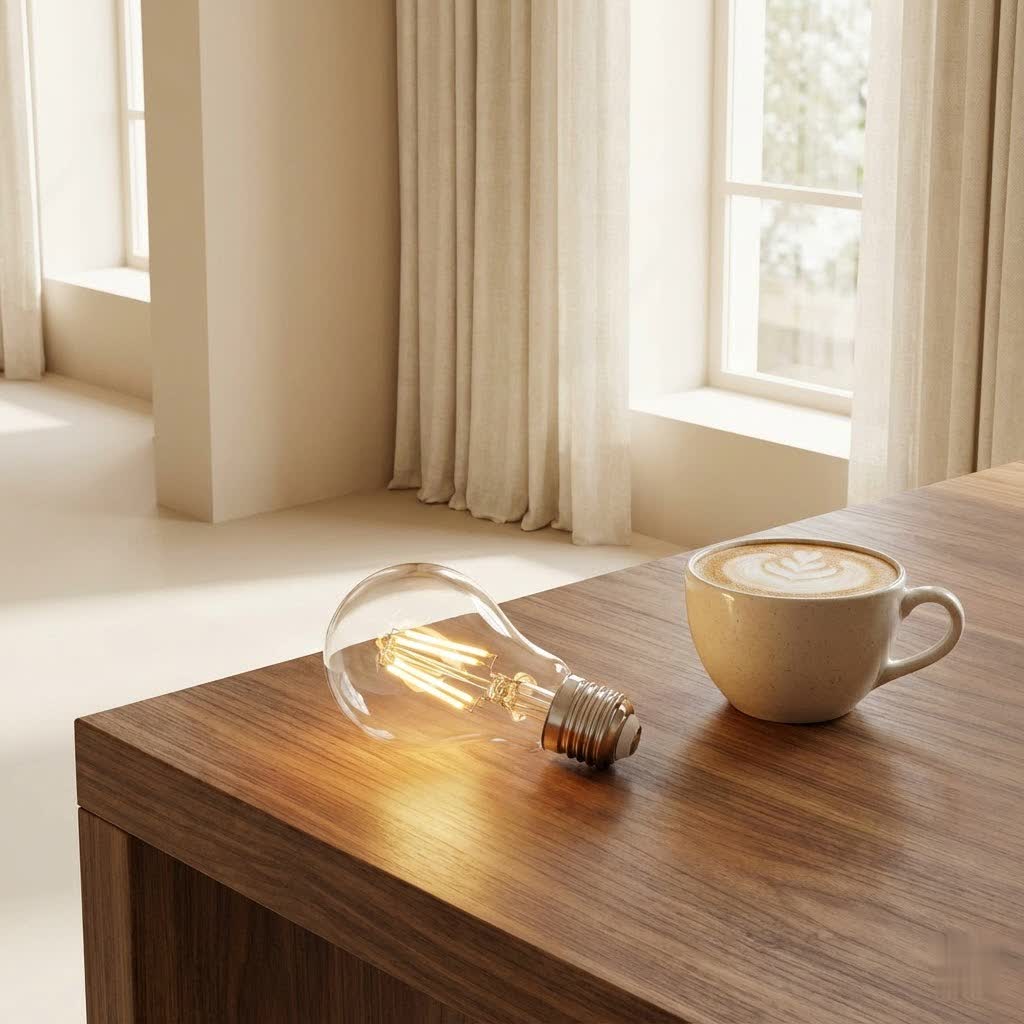
When you hear “100-watt equivalent,” it’s crucial to understand that we’re not talking about a bulb that consumes 100 watts of power. That would be an old incandescent energy hog! Instead, a 100-watt equivalent smart bulb refers to an LED (Light Emitting Diode) bulb designed to produce a similar amount of light, or lumens, as a traditional 100-watt incandescent bulb. Typically, this means a brightness output in the range of 1500 to 1600 lumens. The magic, however, lies in its energy consumption: these smart LEDs achieve this impressive brightness while only drawing a mere 11 to 17 watts of actual power [cite: 1, 2, 3 (search result 2), 5 (search result 2)].
This dramatic difference in wattage translates directly into significant energy savings and a reduced carbon footprint, making them an eco-friendly and cost-effective upgrade for any home. It’s all about getting maximum light with minimum electricity.
The Spectrum of Smart Bulbs: Types and Their Applications
Smart bulbs aren’t a one-size-fits-all solution. They leverage various wireless technologies to connect to your smart home ecosystem, each with its own set of advantages and ideal use cases. Understanding these differences is key to choosing the right 100-watt smart bulb for your needs.
Wi-Fi Smart Bulbs (Hub-Free)
These are arguably the most popular and easiest to set up. Wi-Fi smart bulbs connect directly to your home’s 2.4GHz Wi-Fi network, eliminating the need for a separate hub. This plug-and-play simplicity makes them a fantastic entry point into smart lighting.
- Pros: Straightforward installation, often more affordable upfront, and controlled directly from a smartphone app or voice assistant.
- Cons: Can sometimes hog Wi-Fi bandwidth if you have many bulbs, potentially leading to slower network performance or occasional lag in bulb response.
- Applications: Perfect for single-room setups, apartments, or users who prefer a minimalist smart home where simplicity is paramount.
|
Our Picks for the Best Smart Bulb in 2026
As an Amazon Associate I earn from qualifying purchases.
|
||
| Num | Product | Action |
|---|---|---|
| 1 | Amazon Basics Smart A19 LED Light Bulb, Color Changing, 9W (60W Equivalent), 800LM, Works with Alexa Only, 2.4 GHz Wi-Fi, No Hub Required, 1 Pack |

|
| 2 | Govee LED Smart Light Bulbs, 1000LM Color Changing Light Bulb, Wi-Fi & Bluetooth Light Bulbs, Work with Alexa and Google Assistant, Dimmable RGBWW A19 75W Equivalent Smart Bulbs, 2 Pack |
|
| 3 | Amazon Basics Smart A19 LED Light Bulb, Dimmable Soft White (2700K), 9W (60W Equivalent), 800LM, Works with Alexa Only, 2.4 GHz Wi-Fi, No Hub Required, 4 Pack |
|
| 4 | Kasa Smart Light Bulbs, Full Color Changing Dimmable Smart WiFi Bulbs Compatible with Alexa and Google Home, A19, 60 W 800 Lumens,2.4Ghz only, No Hub Required, 2-Pack (KL125P2), Multicolor |
|
| 5 | Bluex Bulbs 3 Pack Motion Sensor LED Light Bulb A21, 15W 1300 Lumens, Warm White 3000K, Automatic On/Off Security Light, E26 Medium Base Indoor & Outdoor Use, 120V (3000K - Warm White) |
|
| 6 | SYLVANIA Wifi LED Smart Light Bulb, 60W Equivalent Full Color and Tunable White A19, Dimmable, Compatible with Alexa and Google Home Only - 4 Pack (75674) |
|
| 7 | Tapo TP-Link Smart Light Bulbs, 16M Colors RGBW, Dimmable, Compatible with Alexa and Google Home, A19, 60W Equivalent, 800LM CRI>90, 2.4GHz WiFi only, No Hub Required, L530E(4-Pack) |
|
| 8 | Kasa Smart Light Bulbs that works with Alexa and Google Home, Dimmable Smart LED Bulb, A19, 9W, 800Lumens, Soft White(2700K), CRI≥90, WiFi 2.4Ghz only, No Hub Required, 4 Count (Pack of 1)(KL110P4) |
|
| 9 | Linkind Smart Light Bulbs, Smart Bulb That Work with Alexa & Google Home, LED Light Bulbs Color Changing, 104 Preset Scene, Music Sync, A19 E26 2.4GHz RGBTW WiFi Bluetooth Light Bulb 60W, 800LM, 4Pack |
|
| 10 | Govee Smart Light Bulbs, Color Changing Light Bulb, Work with Alexa and Google Assistant, 16 Million Colors RGBWW, WiFi & Bluetooth LED Light Bulbs, Music Sync, A19, 800 Lumens, 4 Pack |
|
Zigbee/Z-Wave Smart Bulbs (Hub-Required)
For larger smart homes or more complex automation, Zigbee and Z-Wave bulbs often provide a more robust solution. These bulbs communicate through a dedicated hub (like a Philips Hue Bridge) that plugs into your router. The hub creates a separate mesh network for your smart devices, meaning each bulb can extend the signal, strengthening the overall network.
- Pros: Creates a more stable and reliable network, reduces congestion on your main Wi-Fi, offers extended range, and enables sophisticated automation routines.
- Cons: Requires an additional hardware component (the hub), which adds to the initial cost and setup time.
- Applications: Ideal for whole-home smart lighting, multi-floor houses, or users deeply invested in smart home ecosystems like Philips Hue or Samsung SmartThings.
Bluetooth Smart Bulbs
While less common for primary whole-home lighting, Bluetooth bulbs offer a unique, hub-free, and hyper-local control option. They connect directly to your smartphone via Bluetooth.
- Pros: No hub needed, excellent for individual control in small spaces, and often very responsive for direct control.
- Cons: Limited range (your phone needs to be relatively close), and generally not suitable for whole-home integration or remote access.
- Applications: Great for bedside lamps, desk lamps, or any single fixture where you want direct, immediate control without involving your home network.
Regardless of the connection type, most 100-watt smart bulbs come packed with features like dimming capabilities, a spectrum of 16 million colors (RGB), and tunable white light (from warm 2700K to cool 6500K) to perfectly match any mood or task [cite: 1, 2, 3 (search result 2), 4 (search result 2)].
Seamless Setup: Your Guide to Installing a 100-Watt Smart Bulb
Getting your new 100-watt smart bulb up and running is often simpler than you might think. While specific steps can vary slightly by brand, the general process for a Wi-Fi bulb is quite consistent:
- Download the App: Start by downloading the manufacturer’s dedicated app (e.g., Smart Life, Wiz, or brand-specific app) from your smartphone’s app store. Create an account if prompted [cite: 1, 2, 4 (search result 3), 5 (search result 3)].
- Screw it In: With the power off at the switch, carefully screw your new smart bulb into the desired fixture. Make sure it’s snug.
- Power Cycle for Pairing: Turn the light switch ON. Then, quickly turn it OFF and ON multiple times (typically 3 to 7 times, refer to your bulb’s manual). The bulb should begin blinking rapidly, indicating it’s in “pairing mode” [cite: 1, 3 (search result 3), 4 (search result 3), 5 (search result 3)].
- Connect to 2.4GHz Wi-Fi: Ensure your smartphone is connected to your home’s 2.4GHz Wi-Fi network. Smart bulbs almost universally require this frequency for initial setup [cite: 1, 2, 3, 4, 5 (search result 3)].
- Add Device in App: Open the smart bulb app, tap “Add Device” or the “+” icon, and select “Lighting” or “Light Source (Wi-Fi).”
- Enter Wi-Fi Password: The app will likely ask you to confirm your Wi-Fi network and enter its password. This allows the bulb to join your network.
- Customize and Control: Once connected, you can rename your bulb (e.g., “Living Room Main Light”), adjust brightness, change colors, and set schedules right from the app!
If you’re installing a hub-based bulb (like Philips Hue), you’ll typically set up the hub first by plugging it into your router, then the app will guide you through adding bulbs to the hub.
Maximize Your Glow: Tips for Using and Maintaining Smart Bulbs
To get the most out of your 100-watt smart bulbs and ensure they last for years, consider these expert tips:
- Keep Software Updated: Regularly check for and install firmware updates for your bulbs and updates for their control apps. These often include performance enhancements, new features, and crucial security patches.
- Embrace Schedules and Scenes: Automate your lighting to match your daily routine. Use schedules to turn lights on at sunset and off at bedtime, and create scenes for different moods (e.g., “Movie Night,” “Morning Boost”). This not only adds convenience but also saves energy.
- Control via App or Voice, Not the Switch: To maintain smart functionality, it’s best to leave the physical light switch in the “ON” position. Turning it off disconnects the bulb from its network, preventing app or voice control and potentially causing the bulb to reset to factory settings when power is restored [cite: 3 (search result 4)]. Consider a smart wall switch or a switch guard if you find yourself or others accidentally flipping the switch.
- Group Bulbs: For rooms with multiple smart bulbs, group them in the app for simultaneous control of brightness, color, and power. This streamlines your smart lighting experience.
- Gentle Cleaning: Like any electronic device, dust can accumulate. Gently wipe your smart bulbs with a dry, soft cloth when the power is off to ensure optimal light output and prevent heat buildup.
When the Lights Go Dim: Troubleshooting Common Smart Bulb Issues
Even seasoned smart home enthusiasts encounter hiccups. If your 100-watt smart bulb isn’t behaving as expected, don’t fret. Here are common issues and how to troubleshoot them:
Bulb Won’t Connect or Goes Offline
- Check Your Wi-Fi Frequency: This is the most common culprit. Smart bulbs primarily operate on the 2.4GHz Wi-Fi band. Ensure your phone is connected to the 2.4GHz network during setup, and that your router is broadcasting a stable 2.4GHz signal [cite: 2, 3, 4 (search result 4), 5 (search result 4)]. If your router combines 2.4GHz and 5GHz into one name, you might need to separate them in your router settings.
- Router Distance and Signal Strength: If the bulb is too far from your Wi-Fi router, the signal might be weak. Try moving the bulb closer or investing in a Wi-Fi extender.
- Incorrect Wi-Fi Password: Double-check that you’ve entered the password correctly. It’s case-sensitive! [cite: 1 (search result 4)]
- Router Limitations: Some routers have limits on the number of connected devices or strict firewall settings that can block smart devices. Consult your router’s manual or ISP for guidance [cite: 2 (search result 4), 5 (search result 4)].
- Power Cycle the Bulb and Router: A classic troubleshooting step. Turn the bulb off at the switch, wait 10 seconds, then turn it back on. If that doesn’t work, try unplugging your Wi-Fi router for a minute and then plugging it back in.
Unresponsive or Lagging Bulb
- Network Congestion: Too many devices on your Wi-Fi network can slow things down for everyone, including your smart bulbs. Consider reducing the number of active devices or upgrading your router [cite: 1 (search result 4)].
- Outdated Firmware: Ensure your bulb’s firmware is up to date through its companion app. Outdated software can lead to performance issues [cite: 1 (search result 4)].
- Interference: Other electronic devices, especially those using 2.4GHz (like microwaves or cordless phones), can interfere with your Wi-Fi signal. Try repositioning devices or the bulb.
Dimming or Color Issues
- App Settings: If your color-changing bulb isn’t displaying colors correctly, check the app’s settings. For example, ensure the color saturation slider is set to 100% [cite: 3 (search result 4)].
- Incompatible Dimmer Switch: Smart bulbs are designed to be dimmed via their app or voice commands, not traditional dimmer switches. If installed on a physical dimmer, it can cause flickering, buzzing, or damage to the bulb [cite: 2 (search result 2)]. Always use a standard ON/OFF switch for smart bulbs.
Top Picks and Brands in the 100-Watt Smart Bulb Arena
The market for 100-watt equivalent smart bulbs is vibrant, with many excellent choices. While specific product availability and features constantly evolve, certain brands consistently stand out for their reliability and innovation.
“As a long-time expert in smart lighting, I’ve seen many innovations. For 100-watt equivalent smart bulbs, brands like Philips Wiz consistently deliver a balance of brightness, color quality, and smart features that make them a standout choice for seamless integration into most smart homes,” says Dr. Anya Sharma, Lead Smart Lighting Architect at Srjja.com.
Other notable brands that often offer strong 100-watt equivalent options include Sengled, known for its hub-free Wi-Fi options, and EcoSmart, which has provided competitive brightness at an accessible price point [cite: 1, 2, 3, 4, 5 (search result 1)]. When choosing, look for bulbs that explicitly state “100W Equivalent” and list lumens around 1500-1600. Consider factors like desired connectivity (Wi-Fi vs. Hub), color features, and integration with your existing smart home ecosystem (Alexa, Google Assistant, Apple HomeKit, Matter).
Brighten Your World with 100-Watt Smart Bulbs
The 100-watt equivalent smart bulb is more than just a light source; it’s a powerful tool for transforming your living space, enhancing comfort, and boosting energy efficiency. From setting the perfect ambiance with a tap on your phone to automating your home’s glow with voice commands, these bulbs offer a truly customizable lighting experience.
By understanding the different types, mastering the installation process, and knowing how to troubleshoot common issues, you’re now equipped to make informed choices and fully embrace the potential of smart lighting. Dive in, experiment with colors and scenes, and let your home shine brighter and smarter than ever before. Explore the possibilities with Srjja.com, and share your brilliant smart lighting journey with our growing community!
