TP-Link smart bulbs offer an accessible and feature-rich entry point into smart home lighting, primarily through their Kasa and Tapo brands. These bulbs connect directly to your home’s 2.4GHz Wi-Fi network, eliminating the need for a separate hub, which simplifies installation and reduces clutter. They provide features like millions of colors, tunable whites, voice control integration with Amazon Alexa and Google Assistant, and comprehensive scheduling, all managed via intuitive smartphone apps.
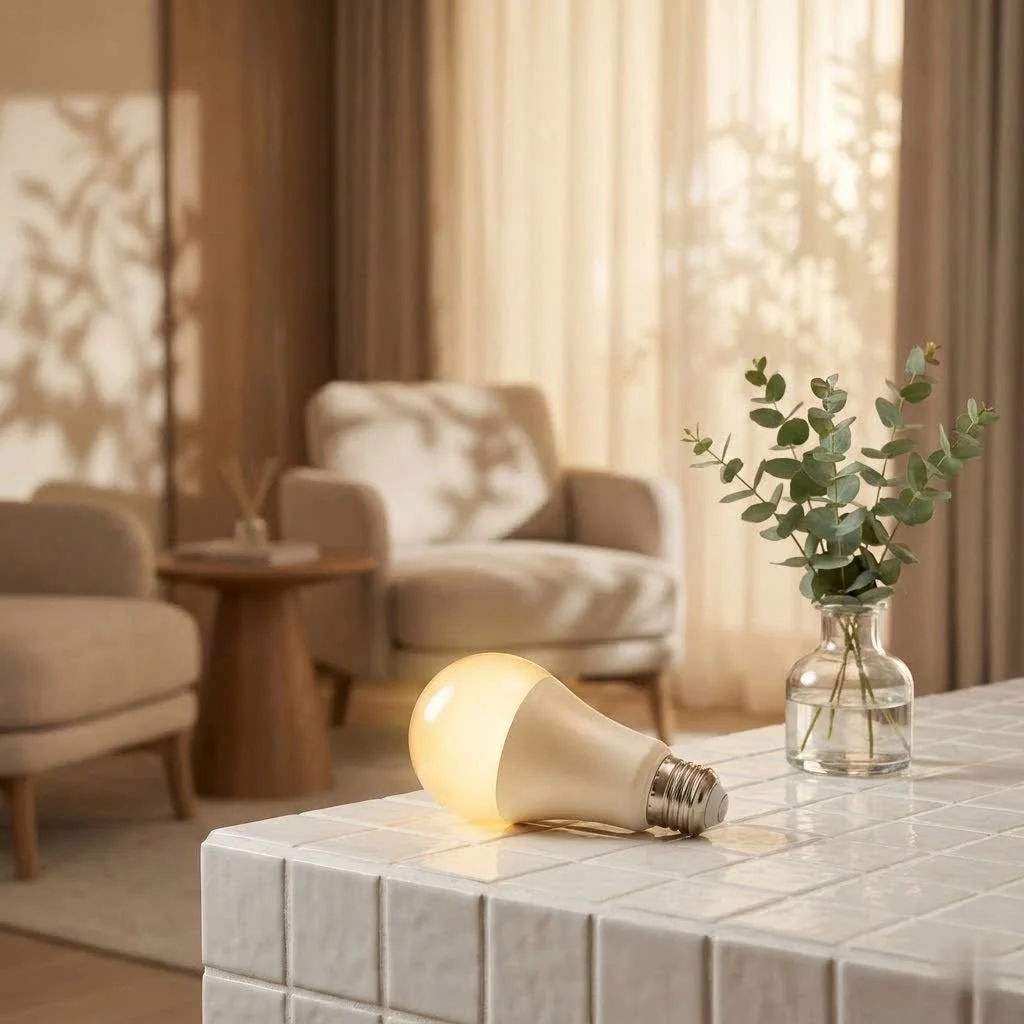 smart bulbs illuminating a modern living room” style=”margin: 20px auto;width: 800px;max-width: 100%;height: auto” />
TP-Link has carved out a significant niche by focusing on direct Wi-Fi connectivity, making TP-Link smart bulbs particularly appealing for beginners and those who appreciate a straightforward setup. Beyond simplicity, these bulbs offer features such as millions of colors, tunable whites, voice control integration, and comprehensive scheduling, all managed through intuitive smartphone apps. Let’s shed some light on how these clever devices can truly enhance your everyday life. For expert smart home reviews on this site.
Why Choose TP-Link Smart Bulbs for Your Home?
Opting for a TP-Link smart bulb means embracing a smart lighting solution that prioritizes convenience and performance. Here’s why they often shine brighter than the competition:
No Hub, No Hassle: Direct Wi-Fi Connectivity
One of the biggest advantages of TP-Link smart bulbs, whether Kasa or Tapo, is their ability to connect directly to your home’s Wi-Fi network. This is a major upgrade! Unlike systems that demand a dedicated bridge or hub, TP-Link smart bulbs simply link up to your existing 2.4GHz Wi-Fi, streamlining installation and reducing clutter. This direct connection means fewer devices to manage and a simpler path to smart lighting for everyone. [cite: 1_search_2, 2_search_3, 4_search_2, 5_search_3]
A Spectrum of Choices: Types of TP-Link Smart Bulbs
TP-Link offers a diverse range of smart bulbs to suit every need and mood:
- Dimmable White Bulbs: These are your entry-level smart bulbs, allowing you to control brightness from your phone or voice assistant. They’re perfect for general illumination where you simply want to adjust the intensity.
- Tunable White Bulbs: Take control beyond just brightness. These bulbs let you adjust the color temperature, from a cool, invigorating daylight white for productivity to a warm, cozy amber for relaxation in the evening. [cite: 1_search_2, 4_search_2]
- Multicolor (RGBW) Bulbs: The most versatile option, these bulbs offer millions of color choices, along with tunable white options. Imagine transforming your room’s ambiance with a vibrant blue for a party or a soft pink for a romantic dinner – all at your fingertips. Newer models, like the Tapo L535E, boast impressive brightness (1055 lumens, equivalent to a 75W incandescent) and Matter certification for broad compatibility. [cite: 1_search_3, 2_search_2]
TP-Link’s smart bulbs are primarily managed through two distinct ecosystems: Kasa and Tapo. Both offer robust features and user-friendly interfaces, though Tapo often represents the newer generation of TP-Link’s smart home devices, sometimes incorporating newer protocols like Matter.
Seamless Integration with Your Smart Ecosystem
|
Our Picks for the Best Smart Bulb in 2026
As an Amazon Associate I earn from qualifying purchases.
|
||
| Num | Product | Action |
|---|---|---|
| 1 | SYLVANIA Wifi LED Smart Light Bulb, 60W Equivalent Full Color and Tunable White A19, Dimmable, Compatible with Alexa and Google Home Only - 4 Pack (75674) |

|
| 2 | Tapo TP-Link Smart Light Bulbs, 16M Colors RGBW, Dimmable, Compatible with Alexa and Google Home, A19, 60W Equivalent, 800LM CRI>90, 2.4GHz WiFi only, No Hub Required, L530E(4-Pack) |
|
| 3 | Linkind Smart Light Bulbs, Smart Bulb That Work with Alexa & Google Home, LED Light Bulbs Color Changing, 104 Preset Scene, Music Sync, A19 E26 2.4GHz RGBTW WiFi Bluetooth Light Bulb 60W, 800LM, 4Pack |
|
| 4 | Bluex Bulbs 3 Pack Motion Sensor LED Light Bulb A21, 15W 1300 Lumens, Warm White 3000K, Automatic On/Off Security Light, E26 Medium Base Indoor & Outdoor Use, 120V (3000K - Warm White) |
|
| 5 | Kasa Smart Light Bulbs that works with Alexa and Google Home, Dimmable Smart LED Bulb, A19, 9W, 800Lumens, Soft White(2700K), CRI≥90, WiFi 2.4Ghz only, No Hub Required, 4 Count (Pack of 1)(KL110P4) |
|
| 6 | Govee LED Smart Light Bulbs, 1000LM Color Changing Light Bulb, Wi-Fi & Bluetooth Light Bulbs, Work with Alexa and Google Assistant, Dimmable RGBWW A19 75W Equivalent Smart Bulbs, 2 Pack |
|
| 7 | Amazon Basics Smart A19 LED Light Bulb, Dimmable Soft White (2700K), 9W (60W Equivalent), 800LM, Works with Alexa Only, 2.4 GHz Wi-Fi, No Hub Required, 4 Pack |
|
| 8 | Govee Smart Light Bulbs, Color Changing Light Bulb, Work with Alexa and Google Assistant, 16 Million Colors RGBWW, WiFi & Bluetooth LED Light Bulbs, Music Sync, A19, 800 Lumens, 4 Pack |
|
| 9 | Kasa Smart Light Bulbs, Full Color Changing Dimmable Smart WiFi Bulbs Compatible with Alexa and Google Home, A19, 60 W 800 Lumens,2.4Ghz only, No Hub Required, 2-Pack (KL125P2), Multicolor |
|
| 10 | Amazon Basics Smart A19 LED Light Bulb, Color Changing, 9W (60W Equivalent), 800LM, Works with Alexa Only, 2.4 GHz Wi-Fi, No Hub Required, 1 Pack |
|
TP-Link smart bulbs are designed to play nice with the most popular smart home platforms. You can effortlessly integrate them with:
- Amazon Alexa: Use voice commands to turn lights on/off, dim them, or even change colors.
- Google Assistant: Similar to Alexa, Google Assistant provides hands-free control for your TP-Link lighting.
- Apple Siri: With compatible models and the right setup, you can also leverage Siri for voice control, often through Siri Shortcuts.
- Matter: Newer Tapo models, like the L535E, are Matter-certified, ensuring seamless interoperability with a growing range of Matter-enabled smart home ecosystems, future-proofing your setup. [cite: 1_search_3]
“As Amelia Chen, Head of Smart Lighting Innovations at Srjja.com, I’ve seen countless smart home setups, and TP-Link smart bulbs consistently stand out for their robust performance and user-friendly design, especially for those seeking a hub-free experience.”
Getting Started: TP-Link Smart Bulb Installation Guide
Setting up your TP-Link smart bulb is surprisingly straightforward, even for tech novices. Here’s a step-by-step guide to get your lights glowing smartly:
What You’ll Need
- Your new TP-Link Kasa or Tapo smart bulb.
- A smartphone or tablet (iOS or Android).
- Your home’s 2.4GHz Wi-Fi network name and password. Ensure your phone is connected to this 2.4GHz network during setup. (Note: TP-Link smart bulbs only support 2.4GHz Wi-Fi). [cite: 1_search_2, 3_search_2]
- A light fixture or lamp with power turned off.
Step-by-Step Setup
- Download the App: First things first, head to the App Store (for iOS) or Google Play Store (for Android) and download the Kasa Smart app for Kasa bulbs or the Tapo app for Tapo bulbs. [cite: 3_search_1, 1_search_2, 3_search_2]
- Create an Account: Open the app and follow the prompts to create a TP-Link Cloud account. This account is essential for remote control and managing your devices from anywhere. [cite: 4_search_1, 3_search_2]
- Install the Bulb: With the power to your light fixture turned OFF, carefully screw in your TP-Link smart bulb. Make sure it’s snug but don’t overtighten.
- Power On: Turn on the light switch controlling the bulb. The bulb should typically flash three times, indicating it’s in setup mode and ready to connect. If it doesn’t blink, try flipping the light switch off-on three times slowly (about a 1-second interval for each flip). [cite: 4_search_1, 3_search_2]
- Add Device in App:
- In the Kasa or Tapo app, tap the ” + ” icon (usually in the top right corner) to add a new device.
- Select “Lights” and then “Smart Bulb.”
- The app will guide you through connecting to the bulb’s temporary Wi-Fi network (often named “TP-LINK_Smart Bulb_xxxx” for Kasa, or a similar Tapo network). For iOS users, you might need to manually go to your phone’s Wi-Fi settings to connect to this network before returning to the app. [cite: 4_search_1, 3_search_2]
- Once connected to the bulb’s network, the app will ask you to connect the bulb to your home’s 2.4GHz Wi-Fi network. Select your network and enter the password.
- Name Your Bulb & Assign Location: Give your TP-Link smart bulb a recognizable name (e.g., “Living Room Lamp,” “Kitchen Overhead”) and assign it to a room. This makes voice control and group management much easier.
- Complete Setup: Follow any final in-app instructions, and you’re all set! Your bulb should now appear in your device list, ready for smart control.
Pro Tip: The “Always On” Rule
For your TP-Link smart bulb to function correctly and remain connected, the physical light switch controlling it must always be in the “ON” position. Think of the smart bulb as a mini-computer that needs constant power to listen for commands. If you switch it off at the wall, it loses power and goes offline, just like turning off your computer. Control your lights exclusively through the Kasa/Tapo app or your connected voice assistant. [cite: 4_search_1, 1_search_2]
Unlocking the Full Potential: Features and Usage Tips
Once your TP-Link smart bulb is set up, a world of possibilities opens up. Here’s how to maximize its capabilities:
Mastering the Kasa/Tapo App
The Kasa and Tapo apps are your command centers. From here, you can:
- Remote Control: Turn lights on/off, dim them, or change colors from anywhere in the world, as long as you have an internet connection. [cite: 1_search_3]
- Group Control: Group multiple bulbs in a room or area to control them simultaneously. This is fantastic for setting a whole room’s ambiance with a single tap. [cite: 1_search_3, 2_search_3]
- Create Scenes: Design custom lighting “scenes” for different activities or moods. A “Movie Night” scene could dim the lights to a warm purple, while a “Morning Boost” scene could set them to bright, cool white. You can save these scenes for instant recall. [cite: 1_search_3, 2_search_2, 2_search_3]
Voice Control at Your Command
Connect your TP-Link smart bulb to Amazon Alexa or Google Assistant for effortless, hands-free control. Simply say, “Alexa, turn on the living room light,” or “Hey Google, dim the kitchen to 50%.” It’s incredibly convenient, especially when your hands are full. [cite: 1_search_3, 4_search_2]
Smart Schedules and Automation
Automation is where smart bulbs truly shine. TP-Link’s apps offer robust scheduling features:
- Set Schedules & Timers: Program your lights to turn on or off at specific times, perfect for your morning alarm or winding down in the evening. [cite: 1_search_3, 3_search_3]
- Sunrise and Sunset Modes: Automatically adjust your lights to match natural daylight cycles, helping regulate your circadian rhythm and making your home feel more connected to the outside world. [cite: 2_search_2, 3_search_3]
- Away Mode: Enhance home security by scheduling lights to turn on and off randomly when you’re away, creating the illusion that someone is home. [cite: 1_search_3, 5_search_3]
- Circadian Mode: Some bulbs offer a Circadian Mode that automatically shifts the color temperature throughout the day, providing cooler light during work hours and warmer tones in the evening to promote better sleep. [cite: 4_search_2, 3_search_3]
Energy Monitoring: Smart Savings
Certain TP-Link smart bulb models include energy monitoring features within the Kasa or Tapo app. This allows you to track real-time power consumption and even estimate costs, helping you make informed decisions to save energy and money. It’s a fantastic feature for the environmentally conscious homeowner. [cite: 1_search_3, 3_search_2]
Common Issues and Troubleshooting Your TP-Link Smart Bulb
Even the most reliable smart tech can occasionally encounter a hiccup. Here’s how to troubleshoot common issues with your TP-Link smart bulb:
“My Bulb is Offline!”
This is a frequent concern, but usually easy to fix:
- Check the Physical Switch: Ensure the light switch controlling the bulb is always in the “ON” position. As discussed, the bulb needs constant power. [cite: 2, 1_search_2, 4_search_2]
- Remote Control Enabled (Kasa App): In the Kasa app settings, confirm that “Remote Control” is enabled for the bulb.
- Wi-Fi Coverage: Is your bulb too far from your Wi-Fi router? Move it closer if possible, or consider a Wi-Fi extender to boost signal strength. Physical obstructions like thick walls can also interfere with the signal. [cite: 2, 4_search_2]
- 2.4GHz Network: Confirm your router’s 2.4GHz network is active and stable.
- App Update: Ensure your Kasa or Tapo app is updated to the latest version, as bugs are often resolved with updates. [cite: 2_search_4]
When a Reset is Needed: Soft vs. Factory Reset
If troubleshooting doesn’t work, a reset can often resolve connectivity issues or allow you to reconnect the bulb to a new Wi-Fi network. There are two main types of resets:
How to Soft Reset (Wi-Fi Settings Only)
A soft reset clears the Wi-Fi settings but retains other configurations. This is useful if you just need to reconnect to the same network or are troubleshooting minor glitches.
- For Kasa KL Series (e.g., KL110, KL125): Turn the light switch OFF, then flip it ON and OFF three times. The bulb will blink three times to confirm a successful soft reset. [cite: 2_search_4]
- For Kasa LB Series (e.g., LB100, LB130): Turn the light switch OFF, then quickly flip it ON and OFF five times. The bulb will blink rapidly to confirm. [cite: 2_search_4]
- For Tapo Bulbs: Turn the bulb ON. Flip the light switch OFF and ON three times, pausing for about one second between each flip. The bulb will blink three times. [cite: 1_search_4]
How to Factory Reset (Full Reset)
A factory reset eradicates all custom settings and restores the bulb to its default state, just like it was out of the box. This is necessary if you’re moving to a new home, gifting the bulb, or if a soft reset doesn’t solve a persistent problem.
- Using the Light Switch:
- For Kasa LB Series: Turn the light switch OFF, then quickly flip it ON and OFF five times. [cite: 2_search_4]
- For Kasa KL Series (older models): Turn the light switch OFF, then flip it ON and OFF ten times. [cite: 3_search_4]
- For Tapo Bulbs: Turn the bulb ON. Flip the light switch OFF and ON five times, pausing for about one second between each flip. The bulb will blink three times rapidly to confirm. [cite: 1_search_4]
- Via the App: If the bulb is still somewhat connected, you can perform a factory reset by removing the device from the Kasa or Tapo app. Go to the bulb’s settings, then select “Remove Device” or “Delete.” This will disassociate it from your account and reset its settings. [cite: 1_search_4, 5_search_4]
After a factory reset, you’ll need to set up the TP-Link smart bulb again from scratch, following the installation guide above.
TP-Link Smart Bulbs: Reviews and Recommendations
Overall, TP-Link smart bulbs are highly regarded for their value and ease of use. Reviewers consistently praise the simple setup process, especially the absence of a hub, which makes them very beginner-friendly. [cite: 1_search_2, 2_search_2, 3_search_2] The Kasa and Tapo apps are generally intuitive, offering comprehensive control over dimming, color changes, scheduling, and scene creation. [cite: 1_search_2, 5_search_3]
While earlier models might have been a bit larger due to the integrated Wi-Fi components compared to Zigbee-based bulbs, newer iterations continue to refine their design and performance. The inclusion of energy monitoring and features like Away Mode and Circadian Mode adds significant value, contributing to both convenience and potential savings. [cite: 3_search_2, 3_search_3] For those looking for vibrant colors, the multi-color options, such as the Tapo L535E, offer millions of hues and excellent brightness, now further enhanced by Matter compatibility, broadening their appeal. [cite: 1_search_3, 2_search_2]
Conclusion
TP-Link smart bulbs offer an accessible and feature-rich entry point into smart home lighting. Their hub-free design simplifies setup, while the intuitive Kasa and Tapo apps provide extensive control over brightness, color, and automation. From scheduling your lights to simulate occupancy while you’re away to setting dynamic scenes for any mood, these bulbs empower you to personalize your environment like never before. With strong compatibility with voice assistants and an ongoing commitment to innovation, including Matter certification on newer models, TP-Link smart bulbs are a smart choice for anyone looking to bring intelligent illumination into their home.
So, if you’re ready to ditch the traditional light switch and embrace a smarter, more dynamic lighting experience, a TP-Link smart bulb is definitely It’s a simple upgrade that delivers immense value, making your home more comfortable, secure, and energy-efficient. Start your smart lighting journey with TP-Link today and see your world in a whole new light!
Install a TP-Link Smart Bulb
This guide provides step-by-step instructions for installing and setting up your TP-Link Kasa or Tapo smart bulb, connecting it to your home's 2.4GHz Wi-Fi network for smart control.
Download either the Kasa Smart app (for Kasa bulbs) or the Tapo app (for Tapo bulbs) from your device's app store. Open the app and follow the prompts to create a TP-Link Cloud account, which is necessary for remote control and device management.
With the light fixture's power turned OFF, carefully screw in your TP-Link smart bulb, ensuring it is snug. Then, turn on the light switch. The bulb should flash three times, indicating it's in setup mode. If not, try flipping the switch off-on three times slowly.
In the Kasa or Tapo app, tap the '+' icon to add a new device, then select 'Lights' and 'Smart Bulb'. The app will guide you to connect to the bulb's temporary Wi-Fi network. After connecting to the bulb's network, the app will prompt you to connect the bulb to your home's 2.4GHz Wi-Fi network by selecting it and entering the password.
Give your TP-Link smart bulb a recognizable name, such as 'Living Room Lamp,' and assign it to a specific room for easier voice control and group management. Follow any remaining in-app instructions to finalize the setup. Your bulb will then appear in your device list, ready for smart control.
Smart home that does not lock you in
Free PDF — protocol compatibility matrix for 30 hubs and devices.

I picked up a couple of these TP-Link bulbs because the hub-free setup sounded ideal. While they do connect directly to Wi-Fi, I’ve had a few instances where they drop off my 2.4GHz network and I have to re-pair them, which is a bit annoying. When they’re connected, the voice control works perfectly, but that occasional disconnect is a drawback.
I’ve been slowly upgrading my apartment to smart home tech, and these TP-Link Kasa bulbs were a game-changer. The direct Wi-Fi connectivity was exactly what I needed; I didn’t want another hub cluttering up my router area. Setup was super easy, and I love being able to control them with Alexa. Definitely recommend for anyone starting out with smart lighting.
These Tapo bulbs are pretty solid for the price. I got a few to try out in my living room, and the scheduling feature is fantastic for when I’m away. My only minor complaint is that sometimes the app can be a little slow to respond when I’m trying to change colors quickly. Otherwise, they integrate well with Google Assistant and the tunable whites are great.
I was hesitant to get into smart bulbs because I thought it would be too complicated, but the TP-Link Kasa bulbs proved me wrong. The setup was genuinely straightforward, and I appreciate not needing a separate hub. The millions of colors are so much fun for setting different moods, especially for movie nights. It’s made a huge difference in my home’s ambiance.