Welcome to the luminous world of smart lighting! As a seasoned smart home enthusiast and content creator for Srjja.com, I’ve seen countless innovations brighten our homes, but few offer the blend of accessibility and functionality quite like the Smart Life Light Bulb. If you’re looking to dip your toes into smart home technology or expand your existing setup, understanding these versatile bulbs is a brilliant starting point. They promise not just light, but a whole new level of control, ambiance, and energy efficiency, transforming how you interact with your living space.
What Exactly is a Smart Life Light Bulb?
|
Our Picks for the Best Smart Bulb in 2026
As an Amazon Associate I earn from qualifying purchases.
|
||
| Num | Product | Action |
|---|---|---|
| 1 | SYLVANIA Wifi LED Smart Light Bulb, 60W Equivalent Full Color and Tunable White A19, Dimmable, Compatible with Alexa and Google Home Only - 4 Pack (75674) |

|
| 2 | Amazon Basics Smart A19 LED Light Bulb, Dimmable Soft White (2700K), 9W (60W Equivalent), 800LM, Works with Alexa Only, 2.4 GHz Wi-Fi, No Hub Required, 4 Pack |
|
| 3 | Govee Smart Light Bulbs, Color Changing Light Bulb, Work with Alexa and Google Assistant, 16 Million Colors RGBWW, WiFi & Bluetooth LED Light Bulbs, Music Sync, A19, 800 Lumens, 4 Pack |
|
| 4 | Bluex Bulbs 3 Pack Motion Sensor LED Light Bulb A21, 15W 1300 Lumens, Warm White 3000K, Automatic On/Off Security Light, E26 Medium Base Indoor & Outdoor Use, 120V (3000K - Warm White) |
|
| 5 | Linkind Smart Light Bulbs, Smart Bulb That Work with Alexa & Google Home, LED Light Bulbs Color Changing, 104 Preset Scene, Music Sync, A19 E26 2.4GHz RGBTW WiFi Bluetooth Light Bulb 60W, 800LM, 4Pack |
|
| 6 | Kasa Smart Light Bulbs that works with Alexa and Google Home, Dimmable Smart LED Bulb, A19, 9W, 800Lumens, Soft White(2700K), CRI≥90, WiFi 2.4Ghz only, No Hub Required, 4 Count (Pack of 1)(KL110P4) |
|
| 7 | Kasa Smart Light Bulbs, Full Color Changing Dimmable Smart WiFi Bulbs Compatible with Alexa and Google Home, A19, 60 W 800 Lumens,2.4Ghz only, No Hub Required, 2-Pack (KL125P2), Multicolor |
|
| 8 | Amazon Basics Smart A19 LED Light Bulb, Color Changing, 9W (60W Equivalent), 800LM, Works with Alexa Only, 2.4 GHz Wi-Fi, No Hub Required, 1 Pack |
|
| 9 | Govee LED Smart Light Bulbs, 1000LM Color Changing Light Bulb, Wi-Fi & Bluetooth Light Bulbs, Work with Alexa and Google Assistant, Dimmable RGBWW A19 75W Equivalent Smart Bulbs, 2 Pack |
|
| 10 | Tapo TP-Link Smart Light Bulbs, 16M Colors RGBW, Dimmable, Compatible with Alexa and Google Home, A19, 60W Equivalent, 800LM CRI>90, 2.4GHz WiFi only, No Hub Required, L530E(4-Pack) |
|
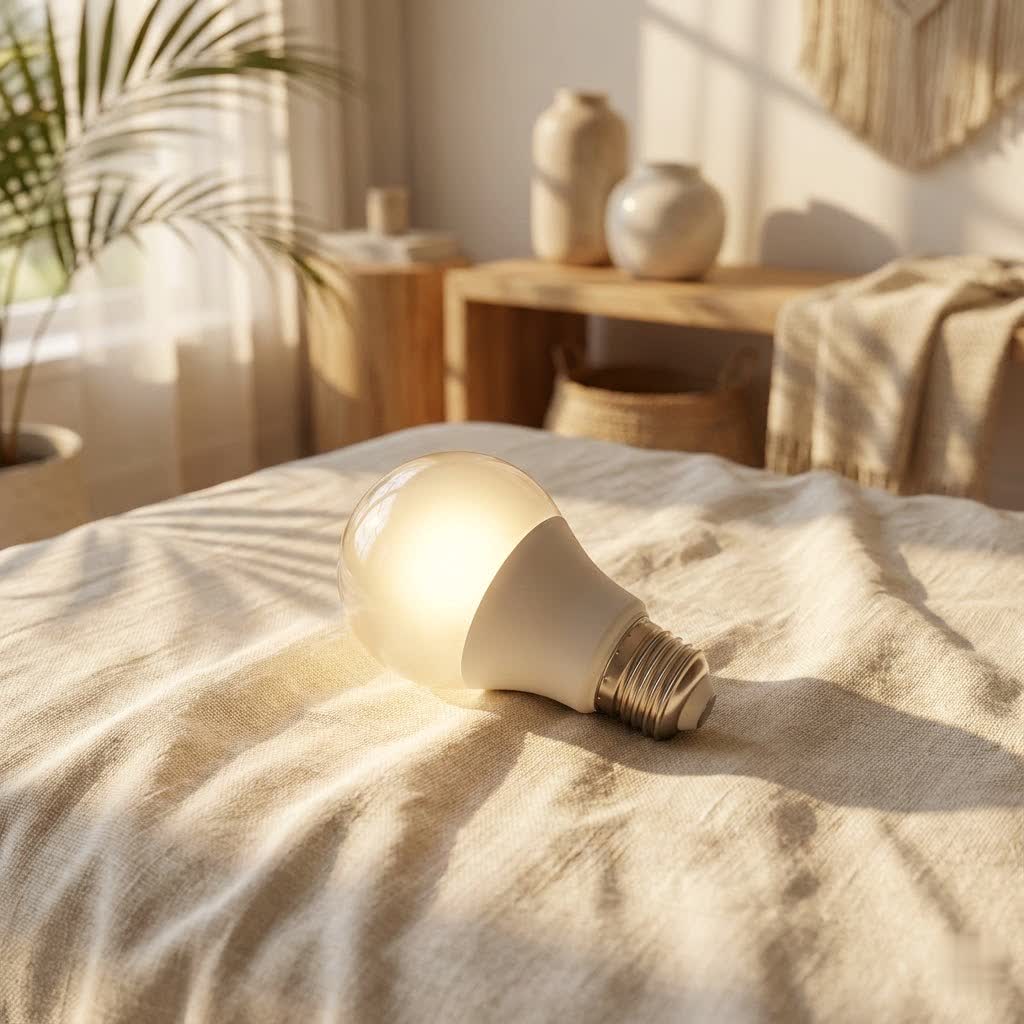
At its core, a Smart Life light bulb is an LED bulb designed to connect wirelessly to your home network, allowing you to control it remotely via a smartphone app or voice commands. What makes it particularly special is its integration with the “Smart Life” or “Tuya Smart” ecosystem. Think of Smart Life as a universal language for smart devices; many different manufacturers produce bulbs (and other smart gadgets) that speak this language, all controllable from a single, intuitive app on your phone. This means you don’t necessarily need a dedicated hub for each brand, making setup wonderfully straightforward.
These bulbs come packed with features designed to enhance your daily life. Most offer full-color (RGB) capabilities, letting you choose from millions of shades to set the perfect mood for any occasion. They also typically include tunable white light, allowing you to adjust from cool, crisp daylight for productivity to warm, cozy tones for relaxation. Dimmability is a standard feature, offering precise control over brightness, and seamless integration with popular voice assistants like Amazon Alexa and Google Assistant means you can simply speak your lighting desires into existence.
Types of Smart Life Light Bulbs and Their Applications
The beauty of Smart Life light bulbs lies in their variety, fitting into almost any fixture in your home. You’ll find them in common forms like:
- A19 (Standard): The classic bulb shape, perfect for lamps, ceiling fixtures, and anywhere you’d use a traditional incandescent bulb.
- GU10 (Spotlight): Ideal for recessed lighting, track lighting, and accentuating specific areas or artwork.
- E12 (Candelabra) & E26 (Medium Screw Base): These refer to the base types, fitting into smaller decorative fixtures or standard household sockets, respectively.
- MR16 (Reflector): Often used in landscape lighting or indoor spotlighting where a focused beam is desired.
- Filament Bulbs: Combining vintage aesthetics with smart technology, these offer a warm, exposed filament look while still being controllable.
The applications for these bulbs are incredibly diverse:
- Ambiance Creation: Transform your living room into a cinema with dim, warm light, or throw a vibrant party with dynamic color changes.
- Enhanced Security: Schedule lights to turn on and off when you’re away, mimicking occupancy and deterring potential intruders.
- Convenience: Never fumble for a light switch again. Control lights from your bed, adjust them from another room, or have them turn on automatically as you arrive home.
- Energy Savings: LED technology is inherently energy-efficient, and with smart scheduling and dimming, you can further reduce consumption and save on electricity bills.
- Personalized Routines: Set up schedules for lights to gently wake you up with a simulated sunrise or gradually dim as bedtime approaches, supporting healthier sleep patterns.
As Olivia Hayes, a leading smart home integration specialist, often says, “Smart lighting isn’t just about turning lights on and off; it’s about orchestrating your environment to enhance every moment of your day.”
How to Set Up Your Smart Life Light Bulb: A Step-by-Step Guide
Getting your Smart Life light bulb up and running is surprisingly simple. Here’s how to do it:
1. Preparation is Key
First things first, ensure you have a stable 2.4 GHz Wi-Fi network. Most smart home devices, including Smart Life bulbs, are designed to work on this frequency, not 5 GHz. Also, download the “Smart Life” app from your smartphone’s app store (iOS or Android) and create an account if you haven’t already. Make sure your phone’s Bluetooth and location services are turned on to assist with the pairing process.
2. Install Your Bulb
Screw your new Smart Life bulb into the desired light fixture. Double-check that the light switch controlling that fixture is in the “off” position before you begin. Once the bulb is securely in place, switch the power to “on.”
3. Enable Pairing Mode
This is a common step for many smart bulbs. To put your Smart Life bulb into pairing mode, you’ll typically need to cycle the power switch off and on rapidly about 3-5 times. The bulb will then begin to flash rapidly, indicating it’s ready to connect. If it’s already flashing rapidly when you first turn it on, you can skip this step.
4. Connect via the Smart Life App
- Open the Smart Life app on your smartphone.
- Tap the “+” icon in the top right corner to add a new device.
- Select “Lighting” or “Light Source (Wi-Fi)” from the list of device types.
- The app will prompt you to confirm that your light bulb is blinking rapidly. Check the box and tap “Next.”
- Choose your 2.4 GHz Wi-Fi network from the list and enter your Wi-Fi password.
- The app will begin searching for your bulb. This usually takes just a few moments.
5. Rename and Control
Once connected, the app will notify you that the device has been added successfully. Now, you can rename your bulb to something intuitive, like “Living Room Lamp” or “Kitchen Overhead,” making it easier to control with voice commands. From the app, you can immediately start controlling the light—turn it on/off, adjust brightness, or change colors.
Maximizing Your Smart Life Light Bulb Experience: Tips and Tricks
Now that your Smart Life light bulb is installed, let’s explore how to truly make the most of it.
Creating Scenes and Automations
One of the most powerful features of the Smart Life app is the ability to create “scenes” and “automations.”
- Scenes: These are preset lighting configurations. For example, a “Movie Night” scene could dim your lights to 20% and set a warm orange glow, while a “Focus Mode” scene might switch to bright, cool white light.
- Automations: These allow your lights to react to specific triggers. You could set lights to turn on automatically at sunset, or have your bedroom light slowly brighten each morning as a gentle alarm. You can even link them with other Smart Life compatible devices, such as having lights turn on when a motion sensor is triggered.
Seamless Voice Control Integration
Connecting your Smart Life bulbs to voice assistants like Alexa or Google Assistant takes convenience to the next level.
- For Amazon Alexa: Open the Alexa app, go to “Skills & Games,” search for “Smart Life,” enable the skill, and link your Smart Life account. Then, tell Alexa, “Alexa, discover my devices.”
- For Google Assistant: Open the Google Home app, tap the “+” icon, select “Set up device,” then “Works with Google,” search for “Smart Life,” and link your account.
Once linked, you can say commands like, “Hey Google, turn on the living room light” or “Alexa, set the kitchen light to blue.”
Energy Saving Tips
Beyond the inherent efficiency of LEDs, Smart Life bulbs offer additional ways to save energy:
- Scheduling: Set lights to turn off automatically when you typically leave for work or go to bed.
- Dimming: Running bulbs at lower brightness levels uses less energy.
- Presence Detection: Combine with motion sensors (if available in your Smart Life ecosystem) so lights only stay on when a room is occupied.
Maintenance for Longevity
Smart bulbs are generally low-maintenance, but a few practices can extend their life:
- Stable Wi-Fi: Ensure your Wi-Fi network is robust and doesn’t frequently drop connection, as constant reconnection attempts can stress the bulb’s internal components.
- Avoid Physical Switches: While you can use a physical switch, consistent power cycling can sometimes degrade the bulb faster or interfere with smart control. Try to use the app or voice commands primarily.
- Firmware Updates: Periodically check the Smart Life app for firmware updates for your bulbs. These updates often improve performance, add features, and fix bugs.
Troubleshooting Common Smart Life Light Bulb Issues
Even the most brilliant tech can have its quirks. Here are some common issues you might encounter with your Smart Life light bulb and how to troubleshoot them:
Not Pairing or Losing Connection
- 2.4 GHz Wi-Fi: This is the most frequent culprit. Confirm your phone (and thus the bulb during setup) is connected to a 2.4 GHz network, not 5 GHz.
- Router Distance: If your bulb is far from your Wi-Fi router, the signal might be weak. Try moving closer or using a Wi-Fi extender.
- Overcrowded Network: Too many devices on one Wi-Fi channel can cause issues. Consider if other devices are hogging bandwidth.
- Re-enable Pairing Mode: If the bulb stops flashing or fails to connect, try cycling the power 3-5 times again to re-enter pairing mode.
- Router Compatibility: Some older routers may have compatibility issues. Ensure your router’s firmware is up to date.
Bulb Turns On After a Power Cut
This is a common behavior. Many smart bulbs are designed to default to an “on” state after a power interruption, ensuring you’re not left in the dark. While convenient, it can be annoying if power flickers in the middle of the night. Check your bulb’s specific settings within the Smart Life app; some advanced models allow you to configure the power-on state (e.g., stay off, return to last state, turn on to a specific scene).
Inaccurate or Dull Colors
While many Smart Life bulbs offer millions of colors, the quality can vary between brands.
- Cheaper Bulbs: Some budget-friendly options might struggle with certain color renditions, particularly subtle yellows or pastels.
- Expectations: Don’t expect Philips Hue-level color accuracy from every generic bulb, especially at a lower price point. However, if colors seem significantly off, try resetting the bulb and re-pairing.
- Brightness: Some colors inherently appear less bright than white light.
Top Smart Life Light Bulb Brands and Products
The beauty of the Smart Life ecosystem is its open nature, meaning many brands produce compatible bulbs. While I can’t endorse specific products without live testing, some brands frequently mentioned for their Smart Life light bulb compatibility and value include:
- Treatlife: Often praised for affordability and a good range of features, including color and tunable white, without requiring a hub.
- Teckin: Known for being budget-friendly and offering solid basic smart bulb functionality.
- GE (select models): Some GE smart bulbs are compatible with the Smart Life app, offering a blend of reliability and smart features.
- Philips Smart Wi-Fi: Different from their Hue line, these bulbs also work with Wi-Fi and the Smart Life app, providing a reputable brand option.
When choosing a Smart Life light bulb, consider:
- Lumens: This indicates brightness. For a 60W equivalent, look for around 800 lumens.
- Color Accuracy & Range: If vibrant or precise colors are crucial, look for reviews that specifically mention this.
- Tunable White Range: A wider Kelvin range (e.g., 2700K to 6500K) offers more flexibility from warm to cool whites.
- Form Factor & Base Type: Ensure it fits your existing fixtures.
- Voice Assistant Compatibility: Confirm it works seamlessly with your preferred voice assistant.
- Reviews: Always check user reviews for real-world performance insights, especially regarding connectivity and color quality.
Frequently Asked Questions (FAQ)
Q: Do Smart Life light bulbs require a hub?
A: No, most Smart Life light bulbs are designed to connect directly to your 2.4 GHz Wi-Fi network, eliminating the need for a separate hub. This simplifies setup and reduces costs.
Q: Can I control my Smart Life bulb with Alexa or Google Assistant?
A: Absolutely! Smart Life bulbs are widely compatible with both Amazon Alexa and Google Assistant. You simply need to enable the “Smart Life” skill or service in their respective apps and link your accounts.
Q: What Wi-Fi frequency do Smart Life bulbs use?
A: Smart Life bulbs, like most smart home devices, primarily use the 2.4 GHz Wi-Fi frequency. Ensure your router is configured to broadcast a 2.4 GHz signal and that your phone is connected to it during the initial setup.
Q: How do I reset a Smart Life light bulb?
A: To reset a Smart Life light bulb, typically you need to cycle its power switch on and off rapidly 3-5 times. The bulb will then flash quickly, indicating it has entered pairing mode or been reset.
Q: What happens if my Wi-Fi goes down?
A: If your Wi-Fi goes down, you will lose remote control over your Smart Life light bulb via the app or voice assistants. However, you can usually still control the bulb using the traditional physical light switch. Many bulbs also default to an “on” state after a power outage.
Embrace the Brilliance of Smart Lighting
The Smart Life light bulb represents an incredibly accessible entry point into the smart home universe. From customizing your ambiance with a spectrum of colors to scheduling lights for enhanced security and convenience, these bulbs offer a world of possibilities. With straightforward setup and broad compatibility, you’re not just buying a light source; you’re investing in a smarter, more personalized, and more energy-efficient way to illuminate your life. So go ahead, screw in that smart bulb, download the app, and prepare to be amazed at how a simple light can brighten your home in so many extraordinary ways!
