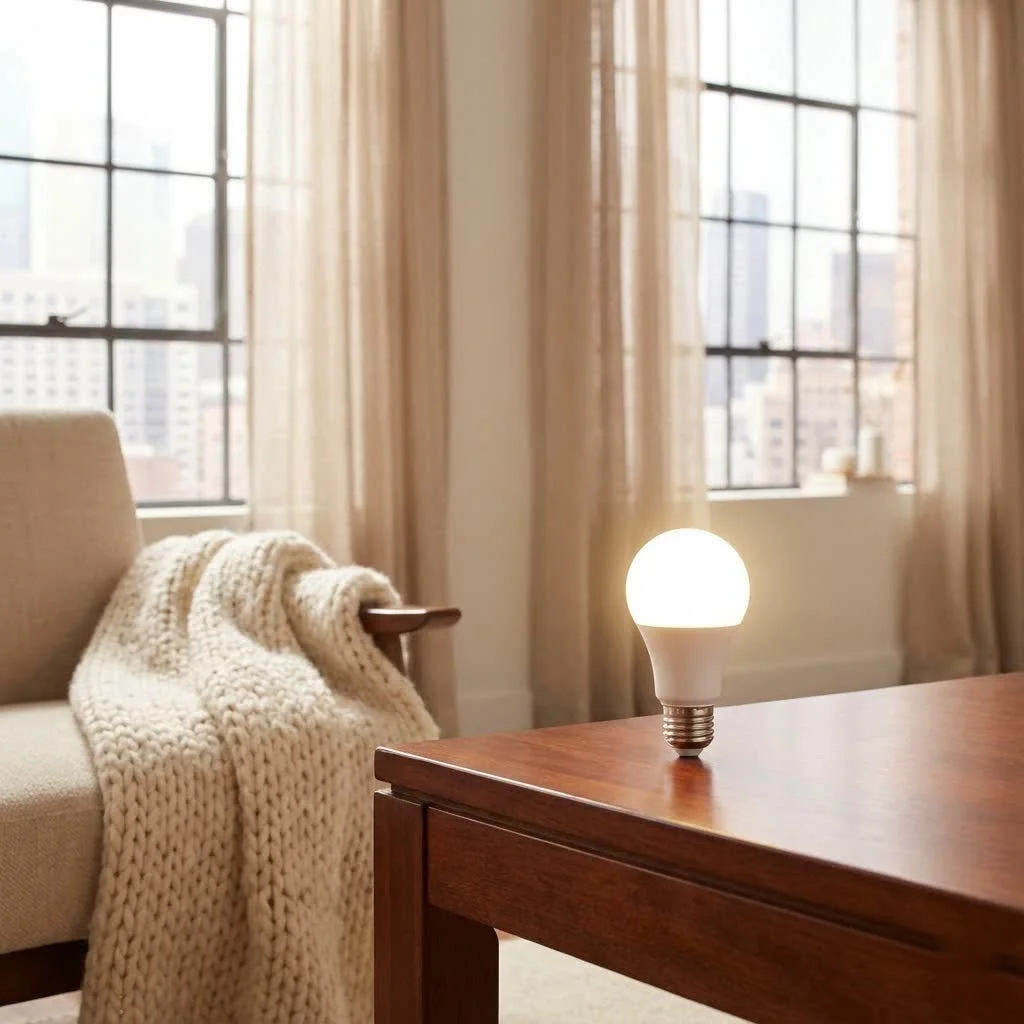
Smart WiFi LED bulbs are energy-efficient LED lights with integrated wireless communication chips, typically WiFi, that connect directly to your home network for remote control via smartphone apps, voice commands, or automated schedules. These innovative lighting solutions offer unparalleled convenience, customization, and efficiency, transforming home lighting into an intelligent, controllable system. They leverage existing home WiFi infrastructure, eliminating the need for a separate hub in many cases, and provide global reach for control from anywhere with an internet connection.
What Exactly are Smart WiFi LED Bulbs?
At its core, a smart WiFi LED bulb is an energy-efficient LED light bulb with an integrated wireless communication chip, typically WiFi. Unlike traditional bulbs that simply turn on and off, these “smart” versions connect directly to your home network, allowing you to control them remotely using a smartphone app, voice commands through smart assistants like Amazon Alexa or Google Assistant, or even automated schedules. For browse all smart home articles on this site.
Beyond Basic Illumination: The Core Technology
The magic of a smart WiFi LED bulb lies in its ability to communicate. Each smart WiFi LED bulb contains a small microchip that enables it to connect to your local area network (LAN) via your home’s WiFi router. This direct connection eliminates the need for a separate hub in many cases, simplifying the setup process significantly. While WiFi is the most common connection method for these bulbs, some also incorporate Bluetooth for local control or utilize newer protocols like Matter or Thread for enhanced interoperability within the broader smart home ecosystem. The critical takeaway is that this wireless capability transforms a basic light source into an intelligent, controllable device.
Why WiFi? The Power of Networked Lighting
The choice of WiFi as a primary communication protocol for smart WiFi LED bulbs offers distinct advantages. Firstly, it leverages your existing home network infrastructure, meaning for many, no additional hardware is needed beyond the bulbs themselves and your smartphone. This direct-to-router connection typically allows for broader range compared to Bluetooth-only bulbs and provides the ability to control your lights from anywhere in the world, as long as your phone and bulbs have an internet connection. This global reach is a major upgrade for home security and convenience, letting you adjust your lighting even when you’re miles away.
Unlocking the Benefits: Why You Need a Smart WiFi LED Bulb
The allure of smart WiFi LED bulbs goes far beyond their technical specifications. They offer a transformative experience for your home, blending seamlessly into your daily life and enhancing your living environment in numerous ways.
Unparalleled Convenience at Your Fingertips
|
Our Picks for the Best Smart Bulb in 2026
As an Amazon Associate I earn from qualifying purchases.
|
||
| Num | Product | Action |
|---|---|---|
| 1 | Bluex Bulbs 3 Pack Motion Sensor LED Light Bulb A21, 15W 1300 Lumens, Warm White 3000K, Automatic On/Off Security Light, E26 Medium Base Indoor & Outdoor Use, 120V (3000K - Warm White) |

|
| 2 | Govee Smart Light Bulbs, Color Changing Light Bulb, Work with Alexa and Google Assistant, 16 Million Colors RGBWW, WiFi & Bluetooth LED Light Bulbs, Music Sync, A19, 800 Lumens, 4 Pack |
|
| 3 | Govee LED Smart Light Bulbs, 1000LM Color Changing Light Bulb, Wi-Fi & Bluetooth Light Bulbs, Work with Alexa and Google Assistant, Dimmable RGBWW A19 75W Equivalent Smart Bulbs, 2 Pack |
|
| 4 | Tapo TP-Link Smart Light Bulbs, 16M Colors RGBW, Dimmable, Compatible with Alexa and Google Home, A19, 60W Equivalent, 800LM CRI>90, 2.4GHz WiFi only, No Hub Required, L530E(4-Pack) |
|
| 5 | SYLVANIA Wifi LED Smart Light Bulb, 60W Equivalent Full Color and Tunable White A19, Dimmable, Compatible with Alexa and Google Home Only - 4 Pack (75674) |
|
| 6 | Kasa Smart Light Bulbs, Full Color Changing Dimmable Smart WiFi Bulbs Compatible with Alexa and Google Home, A19, 60 W 800 Lumens,2.4Ghz only, No Hub Required, 2-Pack (KL125P2), Multicolor |
|
| 7 | Linkind Smart Light Bulbs, Smart Bulb That Work with Alexa & Google Home, LED Light Bulbs Color Changing, 104 Preset Scene, Music Sync, A19 E26 2.4GHz RGBTW WiFi Bluetooth Light Bulb 60W, 800LM, 4Pack |
|
| 8 | Amazon Basics Smart A19 LED Light Bulb, Dimmable Soft White (2700K), 9W (60W Equivalent), 800LM, Works with Alexa Only, 2.4 GHz Wi-Fi, No Hub Required, 4 Pack |
|
| 9 | Amazon Basics Smart A19 LED Light Bulb, Color Changing, 9W (60W Equivalent), 800LM, Works with Alexa Only, 2.4 GHz Wi-Fi, No Hub Required, 1 Pack |
|
| 10 | Kasa Smart Light Bulbs that works with Alexa and Google Home, Dimmable Smart LED Bulb, A19, 9W, 800Lumens, Soft White(2700K), CRI≥90, WiFi 2.4Ghz only, No Hub Required, 4 Count (Pack of 1)(KL110P4) |
|
Imagine arriving home to a perfectly lit house, or dimming the lights for movie night without ever leaving the couch. That’s the promise of a smart WiFi LED bulb. You can control individual bulbs or groups of lights with a simple tap on your phone or a voice command. Scheduling features allow you to automate your lighting to turn on or off at specific times, mimic occupancy when you’re away, or gently wake you up with a simulated sunrise. Creating custom “scenes” – predefined combinations of brightness and color – for different activities or moods is also effortless.
Energy Efficiency and Cost Savings
As LED technology, smart WiFi LED bulbs are inherently energy-efficient, using significantly less power than traditional incandescent bulbs and lasting for tens of thousands of hours. This translates to noticeable savings on your electricity bill and less frequent bulb replacements. The ability to remotely turn off lights you accidentally left on, or to set precise schedules, further reduces wasted energy. While smart bulbs do consume a small amount of standby power to maintain their network connection, the overall energy savings from their LED nature and smart features typically far outweigh this minimal consumption.
Personalize Your Ambiance: Colors and Moods
One of the most exciting features of many smart WiFi LED bulbs is their ability to change color and color temperature. From a vibrant party atmosphere with millions of RGB color options to a productive workspace with cool white light, or a relaxing evening with warm, inviting tones, you have complete control. This personalization allows you to craft the perfect ambiance for any occasion or time of day, enhancing your home’s aesthetic and your overall well-being.
Enhanced Security and Peace of Mind
Smart lighting can also play a subtle yet effective role in your home’s security. By scheduling your smart WiFi LED bulbs to turn on and off at random intervals while you’re on vacation, you can create the illusion of an occupied home, deterring potential intruders. Some advanced smart lighting systems can even integrate with motion sensors, automatically illuminating areas when unexpected movement is detected, adding an extra layer of protection.
Getting Started: Your Easy Setup Guide for Smart WiFi LED Bulbs
Setting up your new smart WiFi LED bulb might seem daunting at first, but it’s remarkably straightforward. With a few simple steps, you’ll be enjoying your new smart lighting in no time.
Step 1: Prepare Your Bulb and Environment
First things first, physically install your smart WiFi LED bulb. Simply screw it into any standard light socket, just as you would a traditional bulb. Crucially, ensure the physical light switch controlling the fixture remains in the “ON” position for the smart features to work. For optimal performance, choose a location within good range of your WiFi router. Most smart WiFi LED bulbs operate on the 2.4GHz WiFi band, so ensure your phone is connected to your home’s 2.4GHz network during initial setup if your router broadcasts both 2.4GHz and 5GHz signals.
Step 2: Download the Companion App
Every smart WiFi LED bulb brand comes with its own dedicated smartphone application, such as the Lumary app or the Kasa Smart app. Head to your device’s App Store (for iOS) or Google Play Store (for Android) and search for the app recommended by your bulb’s manufacturer. Download and install it, then follow the prompts to create a user account. This account will be your central control panel for all your smart lighting.
Step 3: Connect to WiFi and Pair
Once the app is installed and you’re logged in, it’s time to connect your smart WiFi LED bulb. Open the app and look for an option to “Add Device” or “Add Bulb.” The app will guide you through the process, which often involves putting the bulb into “pairing mode” – typically achieved by cycling the light switch off and on a few times until the bulb starts blinking. You’ll then select your home WiFi network (2.4GHz!) and enter your password. The app will detect your bulb and complete the pairing, establishing the vital connection between your light and your digital control hub.
Step 4: Customize and Control
With your smart WiFi LED bulb successfully paired, the fun begins! Start by giving your bulb a descriptive name, like “Living Room Lamp” or “Kitchen Overhead,” to make control easy. Then, dive into the customization options: adjust brightness levels, experiment with different white temperatures, or explore the full spectrum of colors. Set up daily schedules for automatic operation, create dynamic scenes for movie nights or parties, and integrate your bulbs with your preferred voice assistants for hands-free control.
Navigating the Market: Choosing the Best Smart WiFi LED Bulb
The market for smart WiFi LED bulbs is vibrant and diverse, with options to suit every need and budget. Making the right choice involves considering several key factors.
Key Factors to Consider
- Hub vs. Hub-Free: Many modern smart WiFi LED bulbs connect directly to your router without a separate hub, offering a simpler setup. However, some premium systems, like Philips Hue, use a hub for enhanced stability and features. Decide which setup best fits your tech comfort level and existing smart home infrastructure.
- Compatibility: Ensure your chosen smart WiFi LED bulb is compatible with your existing smart home ecosystem, especially if you plan to use voice assistants like Alexa, Google Assistant, or Apple HomeKit. Look for Matter-certified bulbs for broader compatibility across platforms.
- Features: Do you need millions of colors, or just tunable white light? What’s the dimming range like? Are there special effects or music synchronization modes? Consider what functionality will genuinely enhance your daily life.
- Brightness (Lumens): Don’t focus on wattage; instead, check the lumens. Most 60-watt equivalent bulbs produce around 800 lumens, while 100-watt equivalents offer about 1600 lumens. Choose based on the light output needed for your space.
- Brand Reputation and App Quality: A great smart WiFi LED bulb needs a great companion app. Read reviews for the app’s ease of use, reliability, and available features. Reputable brands often offer better long-term support and app development.
- Cost: While basic white smart bulbs start around $8-$10, color-changing models can range from $15-$45, with premium options going higher. Consider multi-packs for better value and the long-term energy savings.
Expert Insight from Srjja.com
“As a long-time expert in smart lighting, I always recommend prioritizing bulbs that offer robust app functionality and seamless integration with your chosen smart home ecosystem. A stable 2.4GHz Wi-Fi connection is your foundation for a truly responsive smart lighting experience.” – Alex Chen, Smart Lighting Specialist at Srjja.com.
Troubleshooting Common Smart WiFi LED Bulb Issues
Even with the best smart WiFi LED bulb, you might occasionally encounter minor hiccups. Here are some quick fixes for common issues:
Connectivity Glitches
If your bulb isn’t connecting or is frequently dropping offline, first ensure your router is on and working correctly. Double-check that your phone and bulb are attempting to connect to a 2.4GHz WiFi network, as 5GHz networks are often incompatible with many smart home devices. Moving the bulb closer to the router can also improve signal strength. As a last resort, try resetting the bulb (often by cycling power a few times as during initial setup), restarting your router, and restarting the companion app.
Unresponsive Bulbs
If your smart WiFi LED bulb isn’t responding to commands, the most common culprit is the physical light switch. the switch must remain in the “ON” position for the bulb to receive power and communicate. Also, check for any available app or bulb firmware updates, as these often contain bug fixes and performance improvements.
The Future of Lighting is Here
Smart WiFi LED bulbs are more than just lights; they’re a central component of a modern, convenient, and energy-efficient home. From the simplicity of controlling your lights from anywhere to the joy of customizing your ambiance with a palette of colors, these devices offer a truly enhanced living experience. By understanding their technology, embracing their benefits, and confidently navigating their setup, you’re not just buying a bulb – you’re investing in a smarter way to live. Embrace the intelligent glow and discover how a smart WiFi LED bulb can brighten your world.
Frequently Asked Questions
What is the main difference between smart WiFi LED bulbs and traditional bulbs?
The main difference is that smart WiFi LED bulbs integrate a wireless communication chip, typically WiFi, allowing them to connect to your home network. This enables remote control via smartphone apps, voice assistants like Amazon Alexa, and automated scheduling, unlike traditional bulbs that only turn on and off.
Do smart WiFi LED bulbs require a separate hub for operation?
Many modern smart WiFi LED bulbs connect directly to your home's WiFi router, eliminating the need for a separate hub. However, some premium systems, such as Philips Hue, utilize a hub for enhanced stability and additional features.
What are the energy-saving benefits of using smart WiFi LED bulbs?
Smart WiFi LED bulbs are inherently energy-efficient, using significantly less power than incandescent bulbs and lasting for tens of thousands of hours. Their smart features, like remote control and scheduling, further reduce wasted energy, leading to noticeable savings on electricity bills.
Can smart WiFi LED bulbs enhance home security?
Yes, smart WiFi LED bulbs can enhance home security by creating the illusion of an occupied home. You can schedule them to turn on and off at random intervals while you're away, deterring potential intruders. Some systems also integrate with motion sensors for automatic illumination.
What WiFi frequency do most smart WiFi LED bulbs use?
Most smart WiFi LED bulbs operate on the 2.4GHz WiFi band. It is important to ensure your phone is connected to your home's 2.4GHz network during initial setup if your router broadcasts both 2.4GHz and 5GHz signals, as 5GHz networks are often incompatible with these devices.
Smart home that does not lock you in
Free PDF — protocol compatibility matrix for 30 hubs and devices.

These bulbs are fantastic for setting the mood. I love being able to dim them or change the color temperature with just a voice command through my smart assistant. It’s really transformed how my kitchen feels in the evenings. The energy efficiency is a nice bonus too, though I haven’t seen a huge drop in my bill yet.
I finally took the plunge and replaced all my living room lights with smart WiFi LED bulbs, and I’m so glad I did. The ability to control them with my phone from anywhere is a game-changer. Setting up schedules for when I’m away has given me such peace of mind, and it was super easy to connect them to my existing home network without needing a separate hub.
I got a few of these smart bulbs for my bedroom, and while the remote control via the app is convenient, I sometimes experience a slight delay when I try to turn them on or off. It’s not a dealbreaker, but it can be a little annoying when you’re used to instant response from a regular switch. Otherwise, they work pretty well for what they are.
The customization options with these smart WiFi LED bulbs are incredible. I’ve set up different scenes for movie night, reading, and even a bright setting for cleaning. The fact that they leverage existing WiFi infrastructure is a huge plus, making installation straightforward even for someone not super techy. Definitely recommend for anyone looking to upgrade their home lighting.