Imagine a home where your lighting anticipates your every need, where a simple voice command transforms the ambiance, and your lights work in harmony with your daily rhythm. This isn’t science fiction; it’s the reality brought to you by smart bulbs integrated with Google Home. As a veteran in the smart lighting space and a content creator for Srjja.com, I’ve seen countless innovations, and the synergy between smart bulbs and Google’s ecosystem stands out as truly revolutionary. It’s about bringing unparalleled convenience and a touch of magic to your everyday living.
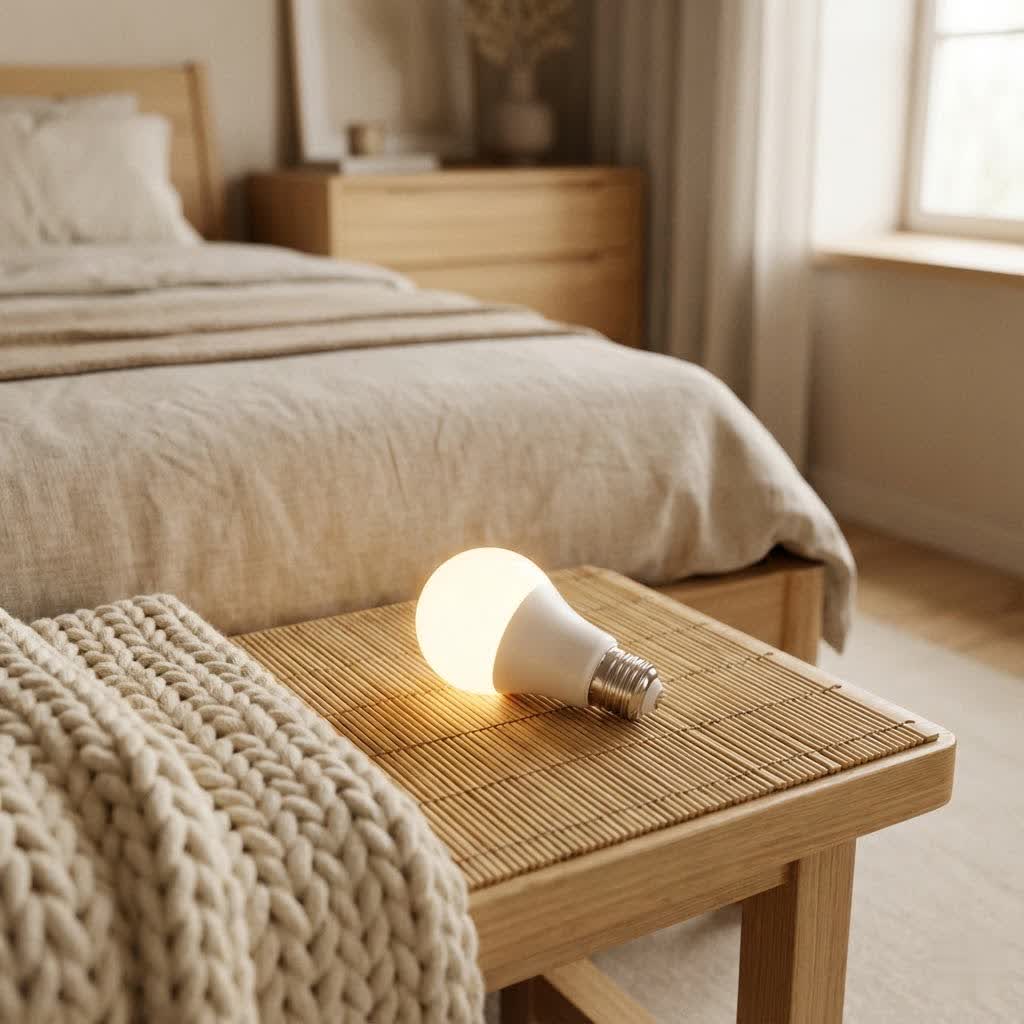
What Makes Smart Bulbs & Google Home a Perfect Pair?
|
Our Picks for the Best Smart Bulb in 2026
As an Amazon Associate I earn from qualifying purchases.
|
||
| Num | Product | Action |
|---|---|---|
| 1 | Amazon Basics Smart A19 LED Light Bulb, Dimmable Soft White (2700K), 9W (60W Equivalent), 800LM, Works with Alexa Only, 2.4 GHz Wi-Fi, No Hub Required, 4 Pack |

|
| 2 | Govee Smart Light Bulbs, Color Changing Light Bulb, Work with Alexa and Google Assistant, 16 Million Colors RGBWW, WiFi & Bluetooth LED Light Bulbs, Music Sync, A19, 800 Lumens, 4 Pack |
|
| 3 | Amazon Basics Smart A19 LED Light Bulb, Color Changing, 9W (60W Equivalent), 800LM, Works with Alexa Only, 2.4 GHz Wi-Fi, No Hub Required, 1 Pack |
|
| 4 | Bluex Bulbs 3 Pack Motion Sensor LED Light Bulb A21, 15W 1300 Lumens, Warm White 3000K, Automatic On/Off Security Light, E26 Medium Base Indoor & Outdoor Use, 120V (3000K - Warm White) |
|
| 5 | Linkind Smart Light Bulbs, Smart Bulb That Work with Alexa & Google Home, LED Light Bulbs Color Changing, 104 Preset Scene, Music Sync, A19 E26 2.4GHz RGBTW WiFi Bluetooth Light Bulb 60W, 800LM, 4Pack |
|
| 6 | Tapo TP-Link Smart Light Bulbs, 16M Colors RGBW, Dimmable, Compatible with Alexa and Google Home, A19, 60W Equivalent, 800LM CRI>90, 2.4GHz WiFi only, No Hub Required, L530E(4-Pack) |
|
| 7 | Kasa Smart Light Bulbs, Full Color Changing Dimmable Smart WiFi Bulbs Compatible with Alexa and Google Home, A19, 60 W 800 Lumens,2.4Ghz only, No Hub Required, 2-Pack (KL125P2), Multicolor |
|
| 8 | SYLVANIA Wifi LED Smart Light Bulb, 60W Equivalent Full Color and Tunable White A19, Dimmable, Compatible with Alexa and Google Home Only - 4 Pack (75674) |
|
| 9 | Kasa Smart Light Bulbs that works with Alexa and Google Home, Dimmable Smart LED Bulb, A19, 9W, 800Lumens, Soft White(2700K), CRI≥90, WiFi 2.4Ghz only, No Hub Required, 4 Count (Pack of 1)(KL110P4) |
|
| 10 | Govee LED Smart Light Bulbs, 1000LM Color Changing Light Bulb, Wi-Fi & Bluetooth Light Bulbs, Work with Alexa and Google Assistant, Dimmable RGBWW A19 75W Equivalent Smart Bulbs, 2 Pack |
|
At its core, a smart bulb is an LED light that connects to your home’s network, allowing you to control it remotely via an app or, more impressively, with your voice. When these intelligent lights join forces with Google Home and its powerful Google Assistant, you unlock a new dimension of home control. Forget fumbling for light switches; now, your voice is the command center.
The benefits are extensive:
- Unmatched Convenience: Control individual lights or entire rooms with simple voice commands, whether you’re across the room or across town.
- Personalized Ambiance: Adjust brightness, fine-tune color temperature from warm to cool whites, or dive into a spectrum of 16 million colors to match any mood or occasion.
- Remarkable Energy Efficiency: Smart bulbs leverage LED technology, consuming significantly less power than traditional incandescent or even CFL bulbs, leading to noticeable savings on your electricity bill.
- Automated Living: Schedule your lights to turn on as you wake up, mimicking a gentle sunrise, or dim slowly in the evening for a calming wind-down.
- Enhanced Home Security: Utilize “Away Routines” to make it appear as though someone is home, deterring potential intruders while you’re out.
“Integrating smart bulbs with Google Home isn’t just about convenience; it’s about reclaiming control over your environment and crafting a living space that truly adapts to you,” notes Dr. Evelyn Reed, a leading expert in smart home technology.
Types of Smart Bulbs That Shine with Google
When stepping into the world of smart lighting, you’ll primarily encounter two categories of Google-compatible bulbs, along with an exciting new standard:
- “Made For Google” Bulbs: These are the easiest to set up, integrating directly with the Google Home app without requiring a separate manufacturer’s app, hub, or bridge. Think of them as plug-and-play for your Google ecosystem. GE Cync bulbs are a good example of this seamless integration.
- “Works with Google Home” Bulbs: The majority of smart bulbs fall into this category. They are compatible with Google Assistant but often need their own dedicated app from the manufacturer (like Philips Hue or WiZ) for initial setup and may require a separate bridge or hub to connect to your Wi-Fi network before linking with Google Home.
- Matter Protocol: This emerging smart home standard aims to simplify connectivity across different brands and ecosystems. Many newer bulbs, and even some existing Google Home/Nest devices (like Nest Hubs or Nest Wifi Pro), now support Matter, allowing for easier setup and broader compatibility without the need for multiple apps or hubs.
Beyond connectivity, smart bulbs offer diverse features:
- Dimmable White: Basic smart bulbs that let you adjust brightness, perfect for hallways or utility rooms.
- Tunable White: These offer varying shades of white, from warm, cozy tones to bright, crisp cool whites, adapting to different times of day or tasks.
- Color-Changing (RGB): The most versatile, providing millions of color options to set any mood, from vibrant party scenes to relaxing blues.
Choosing the right type depends on your needs and budget. For simplicity and basic control, dimmable white hub-free bulbs are great. For dynamic and immersive lighting, color-changing bulbs with robust app support might be your best bet.
Top Smart Bulb Brands for Your Google-Powered Home
The market is flooded with smart bulbs, but a few brands consistently stand out for their reliability, features, and seamless integration with Google Home.
- Philips Hue: Often considered the gold standard, Philips Hue offers exceptional color quality, reliability, and an extensive ecosystem. While traditionally requiring a Hue Bridge, many newer models support Bluetooth for direct connection and are increasingly Matter-compatible, making setup easier for Google Home users.
- WiZ Connected: An excellent choice for those seeking premium features without the premium price tag or a separate hub. WiZ bulbs connect directly to your home’s Wi-Fi, offering vibrant colors, tunable whites, and smooth Google Home integration.
- GE Cync: Offering great value, GE Cync bulbs provide hub-free operation and a wide range of saturated colors and white temperatures. They’re praised for direct control via the Cync app or Google Home.
- LIFX: Known for their exceptionally bright and vivid colors, LIFX bulbs also connect directly to Wi-Fi, eliminating the need for a hub and making them a popular choice for vibrant, hub-free setups.
- Govee: While perhaps best known for LED light strips, Govee also offers smart bulbs that integrate well with Google Home, often emphasizing unique lighting effects and immersive experiences without requiring a hub.
- Kasa Smart (TP-Link): A budget-friendly option, Kasa Smart bulbs provide reliable white dimmable light and color options, connecting directly to your Wi-Fi network without a hub.
- Linkind: With a focus on Matter compatibility, Linkind offers Wi-Fi smart bulbs that promise universal connectivity across smart home ecosystems, including Google Home.
| Brand | Connectivity | Hub Required? (often optional/Matter-enabled) | Key Features |
|---|---|---|---|
| Philips Hue | Zigbee, Bluetooth, Wi-Fi | Yes (Bridge for full features), Matter | Premium colors, reliability, ecosystem |
| WiZ Connected | Wi-Fi | No | Affordable, hub-free, vibrant colors |
| GE Cync | Wi-Fi, Bluetooth | No | Value, hub-free, wide color range |
| LIFX | Wi-Fi | No | Bright, vivid colors, hub-free |
| Linkind | Wi-Fi | No, Matter | Matter compatibility, seamless integration |
Step-by-Step: Connecting Your Smart Bulbs to Google Home
Getting your smart bulbs to work with Google Home is generally a straightforward process. Here’s how you can do it, ensuring a smooth setup:
-
Preparation is Key:
- Download and install the Google Home app on your smartphone or tablet (available for Android and iOS).
- If your bulb is a “Works with Google Home” device, download its manufacturer’s app (e.g., Philips Hue app, WiZ app) and set up an account.
- Ensure your smart bulb, Google Home speaker/display, and smartphone are all connected to the same 2.4 GHz Wi-Fi network. Many smart devices, especially bulbs, prefer this frequency.
-
Install and Power On: Screw your smart bulb into its fixture and turn on the physical light switch. The bulb should light up, possibly blinking to indicate pairing mode.
-
Initial Setup (if needed for “Works with Google Home”): If your bulb requires its own app, open the manufacturer’s app, follow its instructions to add the bulb, and connect it to your Wi-Fi network. This often involves a few on/off cycles of the light switch to initiate pairing.
-
Link to Google Home:
- Open the Google Home app.
- Tap the “+” icon in the top left corner to “Add a device.”
- Select “Set up device.”
- Choose “New devices” if it’s a “Made For Google” bulb, or “Works with Google Home” to link a third-party service.
- Follow the on-screen prompts. For “Made For Google” bulbs, the app will scan for nearby devices. For “Works with Google Home” bulbs, search for your bulb’s brand (e.g., “Philips Hue,” “WiZ”), then sign in to your manufacturer account to link services.
- Once found, select the bulb, assign it to a specific room (e.g., “Living Room,” “Bedroom”), and give it a unique, contextual name (e.g., “Desk Lamp,” “Ceiling Light”). Avoid including the room name in the bulb’s name for best voice command results, as Google Assistant already knows its location.
-
Test Your Setup: Once complete, try a voice command like, “Hey Google, turn on the Living Room Ceiling Light.” If it responds, congratulations, you’re all set!
Mastering Voice Commands: Talking to Your Google Smart Lights
The true magic of smart bulbs with Google Home lies in effortless voice control. Here’s a rundown of essential commands:
Basic Control:
- “Hey Google, turn on/off the [light name].”
- “Hey Google, dim the [light name].”
- “Hey Google, brighten the [light name].”
- “Hey Google, set the [light name] to 50%.”
- “Hey Google, dim the [light name] by 20%.”
Color & Temperature (for compatible bulbs):
- “Hey Google, change the [light name] to blue.”
- “Hey Google, make the [light name] warm white.”
- “Hey Google, set the [light name] to 4000 Kelvin.”
Room & Group Control:
- “Hey Google, turn on/off the lights in the [room name].”
- “Hey Google, dim the [room name] lights.”
- “Hey Google, turn on all the lights.”
- “Hey Google, turn off all lights except for the Living Room.”
Advanced Features:
- Routines: Create custom routines for events, like “Hey Google, Good Morning” to turn on kitchen lights and play news.
- Gentle Sleep & Wake: Use “Hey Google, start Gentle Sleep” to gradually dim lights to a warm white over 30 minutes, or “Hey Google, start Gentle Wake” to simulate a sunrise. from search result 4.
“Voice commands offer an unparalleled level of accessibility and efficiency, turning your home into a truly responsive environment,” says Dr. Reed. “Just remember to be clear and consistent with your light names.”
Troubleshooting Common Smart Bulb & Google Home Headaches
Even the most seasoned smart home enthusiast encounters a hiccup now and then. Here’s how to address common issues with your smart bulbs and Google Home:
1. Bulb Not Responding or Showing Offline:
- Check Power: Ensure the physical light switch is on and the bulb is receiving power. Toggle it off for 10 seconds, then back on. from search result 5.
- Wi-Fi Connection: Confirm your smart bulb, Google Home device, and phone are all on the same 2.4 GHz Wi-Fi network. Smart bulbs often don’t support 5 GHz Wi-Fi. A weak Wi-Fi signal can also cause issues; consider moving your bulb closer to your router or improving your Wi-Fi coverage. from search result 5.
- Google Account Linkage: Verify that your mobile device and Google Home devices are linked to the same Google Account.
- Sync Devices: Say, “Hey Google, sync all devices.” This often refreshes the connection between Google Home and your smart lights. from search result 5.
2. “Something Went Wrong” or “Can’t Reach the Bulb”:
- Signal Strength: The signal between your bulb and Google Home might be weak. Try moving them closer, ideally no more than 15 feet apart.
- Interference: Other electronics like Wi-Fi routers, cordless phones, microwaves, or Bluetooth speakers can cause interference. Try moving them further away from your smart bulb or Google Home device.
- Too Many Bulbs: Some Google Home devices have a limit on direct connections (e.g., up to 6 C by GE bulbs per speaker).
3. General Troubleshooting Checklist:
- Update Apps: Ensure both your Google Home app and the smart bulb manufacturer’s app are updated to their latest versions. from search result 3.
- Reboot Devices: Try rebooting your Wi-Fi router, your Google Home speaker/display, and then power cycle your smart bulb. from search result 3.
- Force Close App: Close the Google Home app completely and reopen it.
- Rename Bulb: Ensure your bulb names are unique and don’t contain room names, numbers, or special characters. For example, use “Desk Light” instead of “Bedroom Desk Light.”
- Factory Reset: As a last resort, factory reset your smart bulb (check the manufacturer’s instructions, as the sequence often involves turning it off and on multiple times). Then, try setting it up again. from search result 3.
Beyond the Basics: Advanced Tips for Your Smart Lighting
Once you’ve mastered the fundamentals, here’s how to elevate your Google smart bulb experience:
- Custom Routines and Scenes: Dive into the Google Home app’s “Routines” section to create highly personalized automations. Combine lights with other smart devices for truly immersive scenes. For instance, a “Movie Night” routine could dim the lights, turn on your smart TV, and adjust the thermostat.
- Leverage Away Routines: Enhance your home security by configuring “Away Routines” to randomly turn lights on and off when your home is empty, creating the illusion of occupancy.
- Integrate with Other Smart Devices: Link your smart bulbs with motion sensors to automatically illuminate a hallway when you walk by, or connect them with your smart doorbell to flash lights when someone’s at the door.
- Explore Third-Party Integrations: Many smart bulb brands offer integrations beyond Google Home. While Google Assistant is powerful, exploring the native app of your bulb’s brand can reveal additional unique features or finer controls not exposed directly through Google Home.
FAQs About Smart Bulbs & Google Home
Q: Do I need a hub for all smart bulbs with Google Home?
A: No, not all smart bulbs require a hub. Many popular brands like WiZ, LIFX, and GE Cync offer “hub-free” options that connect directly to your Wi-Fi. However, some premium systems like Philips Hue often use a bridge (hub) for expanded features and reliability, though they also offer Bluetooth direct-connect options and increasingly support Matter.
Q: Can I control my smart lights when I’m away from home?
A: Yes! Once your smart bulbs are set up and linked to your Google Home account, you can control them remotely from anywhere using the Google Home app on your smartphone or tablet, provided both your phone and the bulbs have an internet connection. from search result 3.
Q: What Wi-Fi frequency do smart bulbs typically use?
A: Most smart bulbs, especially those that are hub-free, primarily use the 2.4 GHz Wi-Fi band. It’s crucial that your smartphone, Google Home device, and the smart bulbs are all connected to the same 2.4 GHz network during setup and for consistent performance. from search result 3.
Q: Why is my smart bulb not changing color?
A: First, ensure your bulb is a color-changing (RGB) model, not just a dimmable or tunable white bulb. If it is, check its individual app to see if color control works there. If not, try factory resetting the bulb and re-linking it to Google Home, ensuring all apps are updated and your network connection is stable.
Q: How many smart bulbs can I connect to one Google Home speaker?
A: The exact number can vary by brand and Google Home device. For instance, some GE Cync bulbs allow up to 6 connections per Google Home speaker. For larger setups, especially with hub-based systems like Philips Hue, the hub itself handles many connections, which then links as one device to Google Home.
Illuminate Your Life with Google Smart Bulbs
Embracing smart bulbs with Google Home is more than just an upgrade; it’s a transformation of your living space. From the sheer convenience of voice commands to the endless possibilities of personalized ambiance, energy savings, and enhanced security, the benefits are clear. Whether you’re just starting your smart home journey or looking to expand your existing setup, Google Assistant makes integrating smart lighting intuitive and enjoyable. So, go ahead, illuminate your life, simplify your routines, and enjoy a smarter, brighter home. For more in-depth knowledge, tips, and the latest in smart lighting innovations, be sure to visit Srjja.com!
