Have you ever wished you could dim your lights, change their color to match your mood, or even turn them on before you get home, all from the palm of your hand? Welcome to the brilliant world of the Wifi Smart Light Bulb! These aren’t just your ordinary light sources; they’re the future of home illumination, offering unparalleled control, convenience, and creativity. Whether you’re a smart home enthusiast or just dipping your toes into intelligent living, understanding how to harness the power of WiFi smart light bulbs can transform your space and simplify your life. At Srjja, we’re here to shine a light on everything you need to know.
What Exactly is a WiFi Smart Light Bulb?
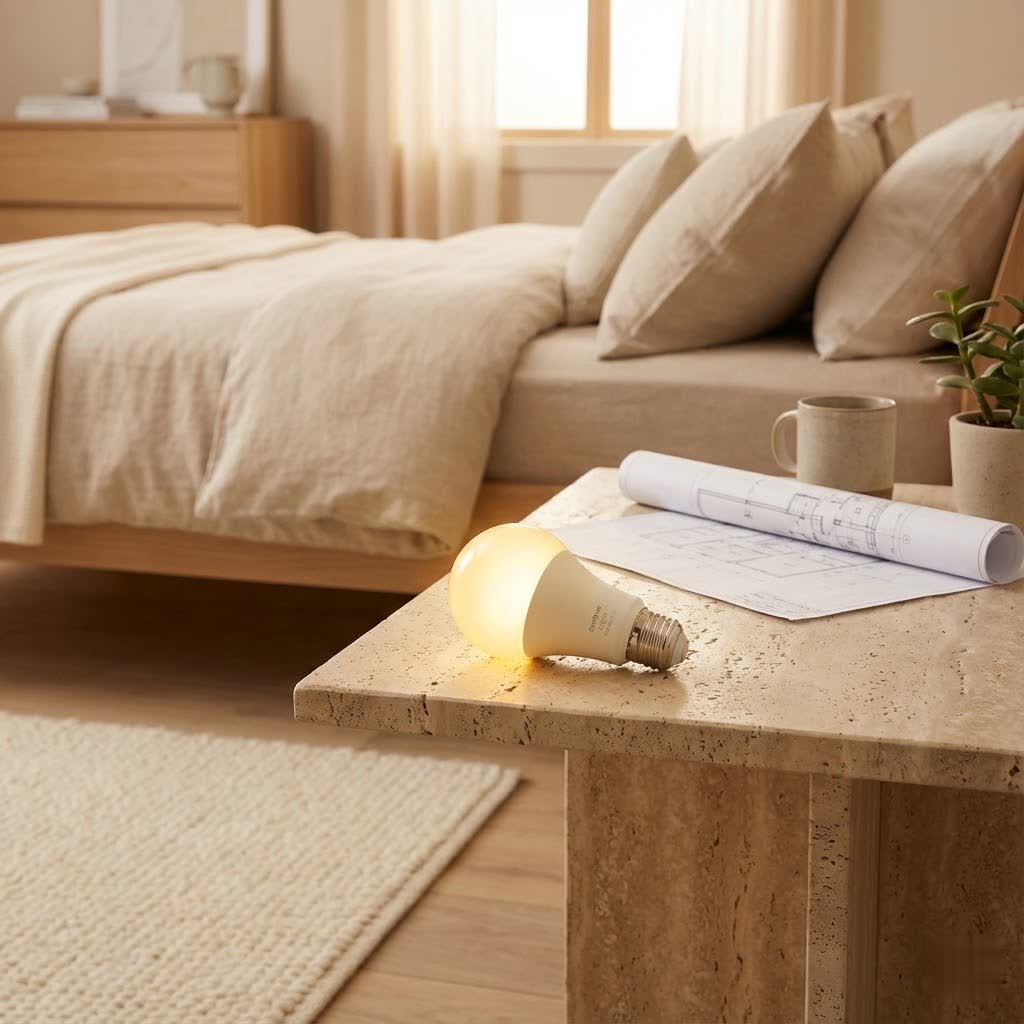
At its core, a WiFi smart light bulb is an LED bulb equipped with wireless technology that allows it to connect directly to your home’s Wi-Fi network. Think of it as a mini-computer inside a light bulb. This built-in connectivity means you can control it remotely using a smartphone app or even your voice, without needing a separate hub for many models. Unlike traditional bulbs that only offer on or off, these intelligent lights provide a spectrum of capabilities, from adjusting brightness and color temperature to changing hues entirely.
How Does a WiFi Smart Light Bulb Work?
|
Our Picks for the Best Smart Bulb in 2026
As an Amazon Associate I earn from qualifying purchases.
|
||
| Num | Product | Action |
|---|---|---|
| 1 | Linkind Smart Light Bulbs, Smart Bulb That Work with Alexa & Google Home, LED Light Bulbs Color Changing, 104 Preset Scene, Music Sync, A19 E26 2.4GHz RGBTW WiFi Bluetooth Light Bulb 60W, 800LM, 4Pack |

|
| 2 | Amazon Basics Smart A19 LED Light Bulb, Dimmable Soft White (2700K), 9W (60W Equivalent), 800LM, Works with Alexa Only, 2.4 GHz Wi-Fi, No Hub Required, 4 Pack |
|
| 3 | Bluex Bulbs 3 Pack Motion Sensor LED Light Bulb A21, 15W 1300 Lumens, Warm White 3000K, Automatic On/Off Security Light, E26 Medium Base Indoor & Outdoor Use, 120V (3000K - Warm White) |
|
| 4 | Tapo TP-Link Smart Light Bulbs, 16M Colors RGBW, Dimmable, Compatible with Alexa and Google Home, A19, 60W Equivalent, 800LM CRI>90, 2.4GHz WiFi only, No Hub Required, L530E(4-Pack) |
|
| 5 | Govee LED Smart Light Bulbs, 1000LM Color Changing Light Bulb, Wi-Fi & Bluetooth Light Bulbs, Work with Alexa and Google Assistant, Dimmable RGBWW A19 75W Equivalent Smart Bulbs, 2 Pack |
|
| 6 | SYLVANIA Wifi LED Smart Light Bulb, 60W Equivalent Full Color and Tunable White A19, Dimmable, Compatible with Alexa and Google Home Only - 4 Pack (75674) |
|
| 7 | Amazon Basics Smart A19 LED Light Bulb, Color Changing, 9W (60W Equivalent), 800LM, Works with Alexa Only, 2.4 GHz Wi-Fi, No Hub Required, 1 Pack |
|
| 8 | Govee Smart Light Bulbs, Color Changing Light Bulb, Work with Alexa and Google Assistant, 16 Million Colors RGBWW, WiFi & Bluetooth LED Light Bulbs, Music Sync, A19, 800 Lumens, 4 Pack |
|
| 9 | Kasa Smart Light Bulbs that works with Alexa and Google Home, Dimmable Smart LED Bulb, A19, 9W, 800Lumens, Soft White(2700K), CRI≥90, WiFi 2.4Ghz only, No Hub Required, 4 Count (Pack of 1)(KL110P4) |
|
| 10 | Kasa Smart Light Bulbs, Full Color Changing Dimmable Smart WiFi Bulbs Compatible with Alexa and Google Home, A19, 60 W 800 Lumens,2.4Ghz only, No Hub Required, 2-Pack (KL125P2), Multicolor |
|
It’s all thanks to a tiny microchip embedded within the bulb. This “brain” allows the smart bulb to communicate wirelessly. When you send a command from your smartphone app or voice assistant, the signal travels through your Wi-Fi network to the bulb. The microchip decodes this signal and tells the LEDs inside to perform the desired action – whether that’s brightening, dimming, or shifting to a vibrant new color. It’s a seamless dance between your command and the bulb’s response, all powered by your home Wi-Fi.
Why Choose WiFi Smart Light Bulbs? The Bright Side of Smart Lighting
Stepping into the world of smart lighting comes with a plethora of advantages that go beyond just being able to say “lights off.”
Energy Efficiency and Cost Savings
Why are WiFi smart light bulbs so good for saving energy?
WiFi smart light bulbs are predominantly LED-based, making them inherently more energy-efficient than traditional incandescent bulbs, often consuming up to six times less energy. This translates directly into lower electricity bills. Beyond the core LED technology, their “smart” features, like scheduling and automation, further optimize energy use. You can program them to turn off when you leave the house, dim automatically during certain hours, or even integrate with motion sensors to ensure lights are only on when a room is occupied, drastically reducing wasted energy. Many bulbs boast a lifespan exceeding 20,000 hours, meaning fewer replacements and less waste.
Unmatched Convenience and Remote Control
Can I control my WiFi smart light bulb from anywhere?
Absolutely! One of the biggest draws of a WiFi smart light bulb is the ability to control your lighting from anywhere in the world, as long as you have an internet connection. Left the lights on when you rushed out the door? No problem, a quick tap on your phone app solves it. This remote accessibility offers peace of mind and incredible flexibility. Imagine arriving home to a perfectly lit house, or turning lights on and off to simulate occupancy while you’re away, enhancing your home security.
Personalized Lighting and Mood Creation
How can WiFi smart light bulbs transform the ambiance of my home?
These bulbs are masters of ambiance. They offer extensive customization options, allowing you to tailor your lighting to any activity or mood.
- Brightness Control: Dim or brighten lights with precision.
- Color Temperature Adjustment: Shift from a warm, cozy yellow (lower Kelvin) ideal for relaxing in the living room to a crisp, cool white (higher Kelvin) perfect for focus in a home office or kitchen.
- Full-Color Spectrum: Many bulbs offer 16 million colors (RGB) or even more advanced options like RGBIC (individual LED control for dynamic effects) and RGBICW (RGB with a dedicated white diode for purer white light). Want a vibrant blue for a party or a calming purple for meditation? It’s all at your fingertips.
“The true magic of smart lighting lies in its ability to adapt to your life, not the other way around,” says Dr. Anya Sharma, a leading expert in smart home technology. “It’s about creating an environment that responds to you.”
Seamless Smart Home Integration and Voice Control
Are WiFi smart light bulbs compatible with popular voice assistants?
Yes, most WiFi smart light bulbs are designed to integrate seamlessly with popular smart home ecosystems like Amazon Alexa, Google Assistant, and often Apple HomeKit. This means you can control your lights with simple voice commands, making everyday tasks effortless. Beyond voice, they can become part of larger smart home routines, working in tandem with smart thermostats, security cameras, and other devices to create a truly automated living space.
Types of WiFi Smart Light Bulbs and Their Applications
The world of WiFi smart light bulb is diverse, catering to various needs and preferences.
- White Tunable Bulbs: These are perfect for general lighting, allowing you to adjust brightness and color temperature (from warm to cool white).
- Color-Changing (RGB) Bulbs: The most popular choice for creating dynamic atmospheres, offering millions of color options.
- RGBIC/RGBICW Bulbs: Advanced color bulbs providing individual LED control for more intricate lighting effects and often a dedicated white diode for superior white light.
- Specialty Bulbs: Including BR30 floodlights for directional recessed lighting, or filament-style bulbs that blend classic aesthetics with smart features.
Consider the bulb’s fitting (E26, E27, GU10, etc.), desired brightness (lumens), and shape (A19 for standard use) when making your choice.
Installation and Connection: Getting Your WiFi Smart Light Bulb Glowing
Setting up a WiFi smart light bulb is generally a straightforward process, even for beginners. Here’s a step-by-step guide:
Step 1: Install Your Smart Bulb
- Safety First: Always turn off the light switch controlling the fixture before handling any bulbs.
- Screw It In: Screw your new smart bulb into the desired socket just like a regular bulb, ensuring it’s snug.
- Power On: Flip the light switch back on. The bulb may blink, indicating it’s ready for pairing.
Step 2: Download the Manufacturer’s App
- Find the App: Locate the name of the manufacturer’s app on the bulb’s packaging or in the instruction manual (e.g., TP-Link Tapo, Philips WiZ, GE Cync, Smart Life, Amazon Alexa app).
- Download and Install: Download the app from your device’s app store (iOS or Android).
- Create Account: Open the app and either create a new account or sign in if you already have one.
Step 3: Connect to Your Wi-Fi Network
- Add Device: In the app, look for an option like “Add Device,” “Discover Devices,” or a “+” icon. Select “Light Bulb” or “Lighting.”
- Enable Pairing Mode: The app will usually instruct you to put the bulb into pairing mode. This often involves turning the light switch off and on rapidly (3-5 times) until the bulb starts blinking quickly.
- Connect to 2.4GHz Wi-Fi: Crucially, most smart bulbs operate on the 2.4GHz Wi-Fi band. Ensure your smartphone is connected to this band (not 5GHz) during setup.
- Enter Wi-Fi Credentials: Follow the in-app prompts to connect the bulb to your home’s 2.4GHz Wi-Fi network by entering your Wi-Fi password.
- Rename Your Bulb: Once connected, the app will confirm. Give your bulb a descriptive name (e.g., “Living Room Lamp,” “Kitchen Overhead”) for easy control.
Step 4: Link to Voice Assistants (Optional)
- Open Assistant App: If you want voice control, open your Amazon Alexa or Google Home app.
- Add Skill/Integration: Go to the “Skills & Games” (Alexa) or “Works with Google” (Google Home) section and search for your bulb’s brand. Enable the skill/integration.
- Discover Devices: Ask your voice assistant to “Discover Devices” or use the app’s discovery feature.
- Assign to Room: Once discovered, assign your bulb to a specific room for organized control.
Troubleshooting Common WiFi Smart Light Bulb Issues
Even smart bulbs can sometimes be a bit stubborn. Here are quick fixes for common problems:
My WiFi Smart Light Bulb Won’t Connect!
- Check Wi-Fi Band: Ensure both your phone and the bulb are connected to the 2.4GHz Wi-Fi network. Smart bulbs typically don’t support 5GHz Wi-Fi.
- Router Proximity: Move the bulb closer to your Wi-Fi router to ensure a strong signal.
- Reset the Bulb: Perform a factory reset by turning the bulb off and on several times (usually 3-5, check your bulb’s manual for the exact sequence) until it blinks differently, indicating pairing mode.
- Try Another Socket: Rule out a faulty light fixture by trying the bulb in a different socket.
- Restart Router: Sometimes, a simple router reboot can clear connectivity issues.
The Bulb is Unresponsive After Setup
- Check Wi-Fi: Verify your home Wi-Fi is active and stable.
- Power to Bulb: Ensure the light switch controlling the bulb remains in the “on” position. If you turn off the physical switch, the smart bulb loses power and cannot be controlled via Wi-Fi.
- App Status: Check the manufacturer’s app for the bulb’s status. It might show if it’s offline.
Maintaining Your WiFi Smart Light Bulbs for Longevity
While LED smart bulbs are known for their long lifespan, a little care can help them last even longer:
- Keep the Switch On: Always leave the physical wall switch in the “on” position. Control your smart bulb through the app or voice assistant. Turning off the switch cuts power, making the bulb “dumb” until turned back on and potentially shortening its lifespan over time with constant power cycles.
- Avoid Enclosed Fixtures: While many LEDs are fine in enclosed fixtures, some smart bulbs may generate more heat. Check the manufacturer’s guidelines to prevent overheating, which can reduce longevity.
- Router Health: A stable and uncongested 2.4GHz Wi-Fi network is crucial. Regularly check your router’s performance and consider optimizing your network if you have many connected devices.
The Downside: Are There Any Cons to WiFi Smart Light Bulbs?
While the benefits are plentiful, it’s also important to consider potential drawbacks:
- Higher Upfront Cost: Smart bulbs are undeniably more expensive than traditional incandescent or even basic LED bulbs. Outfitting an entire home can be a significant initial investment.
- Wi-Fi Dependency: As the name suggests, they rely on your Wi-Fi. If your internet connection goes down, you lose smart control and might be left with only basic on/off functionality via the physical switch.
- Potential for Setup Complexity: While often straightforward, some users new to smart technology might find the initial pairing process a bit challenging.
- Minimal Constant Power Draw: While highly energy-efficient when active, smart bulbs maintain a tiny constant power draw to stay connected to your Wi-Fi, which can add up if you have many bulbs.
- Privacy Concerns: Being connected to the internet means these devices collect usage data. While reputable brands prioritize security, it’s a factor to be aware of regarding data privacy.
Leading Brands in the WiFi Smart Light Bulb Market
The market for WiFi smart light bulbs is competitive, with several brands offering excellent products:
- Philips Hue: Often seen as the premium choice, known for extensive ecosystems (though some lines require a hub), excellent color reproduction, and broad smart home compatibility (Apple HomeKit, SmartThings).
- Wiz: (Owned by Signify, which also owns Philips Hue) Known for direct Wi-Fi connectivity (no hub needed), Matter compatibility, and excellent value.
- TP-Link Kasa: Popular for its affordable, hub-free Wi-Fi bulbs with strong integration with Alexa and Google Assistant, often featuring energy monitoring.
- Govee: Offers vibrant color-changing bulbs, including RGBIC technology, with direct Wi-Fi control via their app and voice assistant support.
- GE Cync: Another strong contender offering a range of hub-free Wi-Fi and Bluetooth bulbs, compatible with popular voice assistants.
- LIFX: Known for bright, vibrant colors and direct Wi-Fi connectivity without a hub.
When choosing, consider factors like brand ecosystem, desired features (e.g., specific color technologies, integration with certain voice assistants), and budget.
Frequently Asked Questions About WiFi Smart Light Bulbs
Do I need a hub for a WiFi smart light bulb?
Answer: Many modern WiFi smart light bulbs connect directly to your home’s 2.4GHz Wi-Fi network and do not require a separate hub. Brands like Wiz, TP-Link Kasa, Govee, and LIFX typically offer hub-free operation. However, some ecosystems, like certain Philips Hue lines, still utilize a bridge (hub) for enhanced features and broader connectivity.
What is the difference between WiFi and Bluetooth smart bulbs?
Answer: WiFi smart bulbs connect directly to your home’s Wi-Fi network, offering remote control from anywhere with internet access and seamless integration into larger smart home systems. Bluetooth smart bulbs connect directly to your smartphone via Bluetooth, limiting control range to within Bluetooth proximity and often requiring you to be in the same room.
Can I use a WiFi smart light bulb without an internet connection?
Answer: Without an active internet connection, you will lose remote control and smart features like schedules and voice commands. However, many WiFi smart bulbs retain basic on/off functionality via the physical light switch, or in some cases, limited local control via a Bluetooth connection if that feature is also built-in.
Are WiFi smart light bulbs safe regarding privacy?
Answer: WiFi smart light bulbs, like any internet-connected device, collect usage data. Reputable manufacturers implement security measures to protect this data. It’s crucial to purchase from trusted brands, use strong, unique passwords for your smart home accounts, and keep your device firmware updated to minimize privacy risks.
Can WiFi smart light bulbs be used outdoors?
Answer: Yes, but only if they are specifically rated for outdoor use. Outdoor-rated smart bulbs are designed to withstand various weather conditions, moisture, and temperature fluctuations. Always check the product’s IP rating to ensure it’s suitable for your outdoor environment.
Embrace the Brilliance of Smart Lighting
The WiFi smart light bulb is more than just a novelty; it’s a powerful tool for enhancing convenience, optimizing energy use, and personalizing your living spaces. From setting the perfect ambiance for a movie night to ensuring your home is well-lit before you arrive, these intelligent lights offer a level of control that was once unimaginable. While there’s an initial investment and a reliance on your home network, the long-term benefits in comfort, efficiency, and flexibility make them a truly worthwhile upgrade for any modern home. So go ahead, screw in that first smart bulb, download the app, and illuminate your world in a whole new way!
