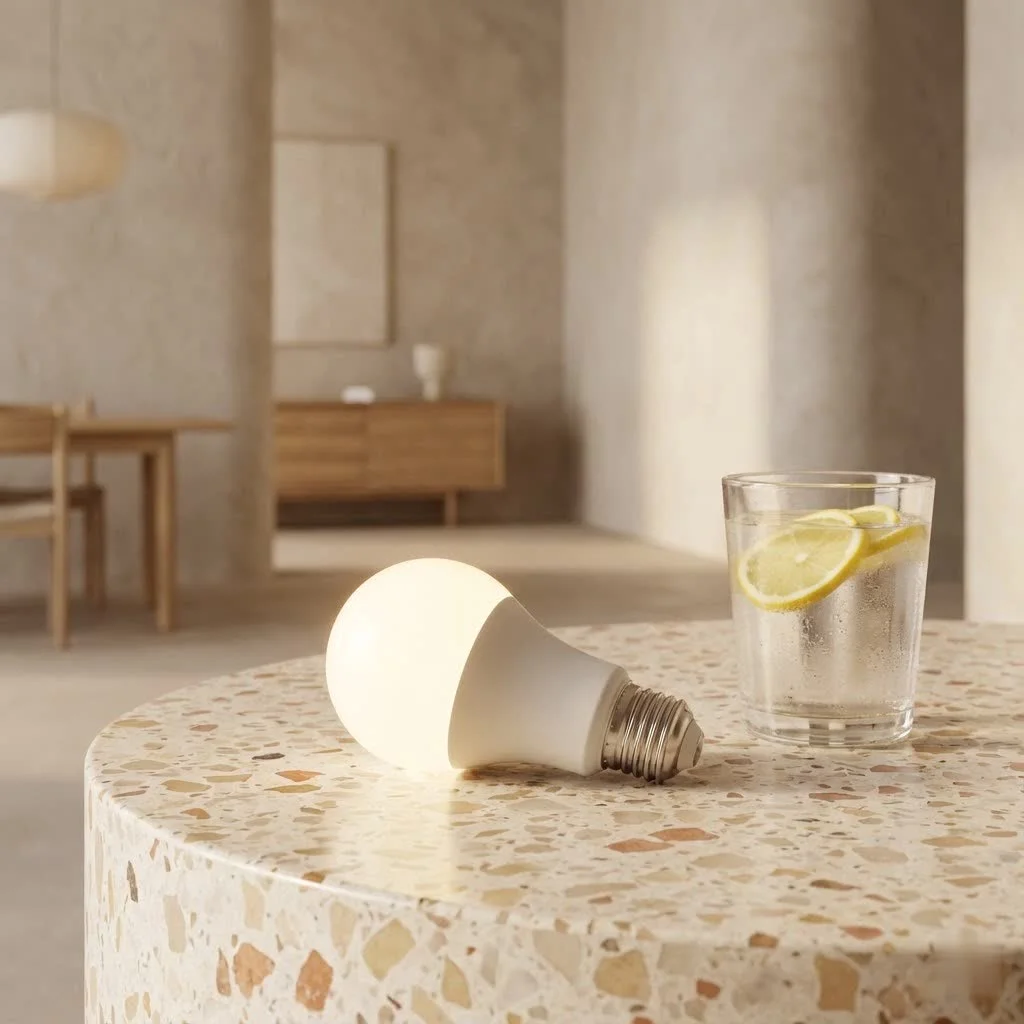
Direct connect smart bulbs are intelligent light sources that link directly to your home’s Wi-Fi network (typically 2.4GHz) or via Bluetooth, eliminating the need for a separate smart home hub. This design simplifies setup, reduces hardware clutter, and allows for immediate control using a smartphone app or voice assistant. For example, brands like GE Cync and WiZ offer hub-free solutions that integrate with existing Wi-Fi infrastructure.
What Exactly is a Direct Connect Smart Bulb?
Think of a traditional smart bulb, but strip away the need for a separate, dedicated hub or bridge. That’s essentially a direct connect smart bulb. These clever little light sources are designed to link directly to your home’s Wi-Fi network (typically the 2.4GHz band) or sometimes even via Bluetooth, using just your smartphone or tablet and the manufacturer’s app. This means fewer devices cluttering your home, a quicker setup process, and a more streamlined smart lighting experience from the moment you screw in the bulb. For shop curated smart home on this site.
“Direct connect bulbs are game-changers for anyone starting their smart home journey,” explains Maya Sharma, Lead Smart Lighting Architect at Srjja Labs. “They democratize smart lighting, allowing instant access to advanced features without the typical barriers of entry. It’s about empowering users with immediate control and customization.”
The Radiance of Simplicity: Benefits of Direct Connect Smart Bulbs
Why are so many homeowners, renters, and tech aficionados gravitating towards these hub-free marvels? The advantages are compelling:
No Hub, No Fuss, Just Light
This is the cornerstone benefit. Unlike systems that rely on a central bridge to communicate with your bulbs, direct connect options bypass this entirely. You simply install the bulb, download the app, and connect it to your existing Wi-Fi. It’s an incredibly straightforward way to upgrade your lighting without adding another piece of hardware to your router or countertop.
Instant Control, Anywhere, Anytime
Once connected, your direct connect smart bulbs offer unparalleled convenience. Whether you’re across the room or across the globe, you can adjust your lights with a tap on your smartphone. Running late and want to make your home look occupied? Need to dim the living room lights for movie night without getting off the couch? These bulbs have you covered.
Personalize Your World with a Spectrum of Choices
From a crisp, energizing cool white for your morning routine to a cozy, warm amber for unwinding in the evening, direct connect smart bulbs offer a vast spectrum of white light temperatures. Many also boast millions of color options, allowing you to transform the ambiance of any room to match your mood, a holiday, or a special event. Dimming capabilities are also standard, letting you fine-tune the brightness to perfection.
Seamless Smart Home Integration
|
Our Picks for the Best Smart Bulb in 2026
As an Amazon Associate I earn from qualifying purchases.
|
||
| Num | Product | Action |
|---|---|---|
| 1 | Amazon Basics Smart A19 LED Light Bulb, Dimmable Soft White (2700K), 9W (60W Equivalent), 800LM, Works with Alexa Only, 2.4 GHz Wi-Fi, No Hub Required, 4 Pack |

|
| 2 | Govee LED Smart Light Bulbs, 1000LM Color Changing Light Bulb, Wi-Fi & Bluetooth Light Bulbs, Work with Alexa and Google Assistant, Dimmable RGBWW A19 75W Equivalent Smart Bulbs, 2 Pack |
|
| 3 | Tapo TP-Link Smart Light Bulbs, 16M Colors RGBW, Dimmable, Compatible with Alexa and Google Home, A19, 60W Equivalent, 800LM CRI>90, 2.4GHz WiFi only, No Hub Required, L530E(4-Pack) |
|
| 4 | Linkind Smart Light Bulbs, Smart Bulb That Work with Alexa & Google Home, LED Light Bulbs Color Changing, 104 Preset Scene, Music Sync, A19 E26 2.4GHz RGBTW WiFi Bluetooth Light Bulb 60W, 800LM, 4Pack |
|
| 5 | Amazon Basics Smart A19 LED Light Bulb, Color Changing, 9W (60W Equivalent), 800LM, Works with Alexa Only, 2.4 GHz Wi-Fi, No Hub Required, 1 Pack |
|
| 6 | Govee Smart Light Bulbs, Color Changing Light Bulb, Work with Alexa and Google Assistant, 16 Million Colors RGBWW, WiFi & Bluetooth LED Light Bulbs, Music Sync, A19, 800 Lumens, 4 Pack |
|
| 7 | Kasa Smart Light Bulbs, Full Color Changing Dimmable Smart WiFi Bulbs Compatible with Alexa and Google Home, A19, 60 W 800 Lumens,2.4Ghz only, No Hub Required, 2-Pack (KL125P2), Multicolor |
|
| 8 | Kasa Smart Light Bulbs that works with Alexa and Google Home, Dimmable Smart LED Bulb, A19, 9W, 800Lumens, Soft White(2700K), CRI≥90, WiFi 2.4Ghz only, No Hub Required, 4 Count (Pack of 1)(KL110P4) |
|
| 9 | SYLVANIA Wifi LED Smart Light Bulb, 60W Equivalent Full Color and Tunable White A19, Dimmable, Compatible with Alexa and Google Home Only - 4 Pack (75674) |
|
| 10 | Bluex Bulbs 3 Pack Motion Sensor LED Light Bulb A21, 15W 1300 Lumens, Warm White 3000K, Automatic On/Off Security Light, E26 Medium Base Indoor & Outdoor Use, 120V (3000K - Warm White) |
|
Most direct connect smart bulbs play nicely with popular voice assistants like Amazon Alexa and Google Assistant, as well as emerging standards like Matter. This means hands-free control, allowing you to turn lights on or off, change colors, or adjust brightness with simple voice commands. They can also be integrated into broader smart home routines and automations, working in harmony with other devices.
Smart Schedules and Automation
Imagine waking up to a gentle, slowly brightening light, mimicking the sunrise, or having your lights automatically turn on as you pull into your driveway. Direct connect smart bulbs allow you to set schedules, create custom scenes, and automate your lighting to perfectly fit your lifestyle, enhancing both comfort and security.
Lighting Up Your Life: Setting Up Your Direct Connect Smart Bulb
Getting started with a direct connect smart bulb is refreshingly simple. Here’s a general step-by-step guide:
- Screw It In: Replace your existing bulb with the new direct connect smart bulb. Ensure the light fixture’s power switch is in the “on” position. The bulb may flash, indicating it’s in pairing mode.
- Download the App: Head to your smartphone’s app store (Google Play or Apple App Store) and download the official app for your smart bulb’s brand (e.g., Cync app, Kasa app).
- Enable Bluetooth: During the setup process, ensure Bluetooth is enabled on your phone. Many direct connect bulbs use Bluetooth for the initial discovery and pairing before connecting to Wi-Fi.
- Open the App and Add Device: Launch the app, create an account if prompted, and look for an “Add Device” or “Plus” icon. Select “Lights” or “Bulb” from the device list.
- Connect to Wi-Fi: The app will guide you to connect the bulb to your home Wi-Fi network. Important: Most direct connect smart bulbs require a 2.4GHz Wi-Fi network. If you have a dual-band router, ensure your phone is connected to the 2.4GHz network during setup. You’ll enter your Wi-Fi password in the app.
- Name and Assign: Once connected, give your bulb a recognizable name (e.g., “Living Room Lamp,” “Kitchen Overhead”) and assign it to a specific room in your app for easier control.
- Optional: Voice Assistant Integration: If you plan to use Alexa or Google Assistant, most apps will offer a simple integration step. Follow the prompts to link your smart lighting account with your chosen voice assistant.
Troubleshooting Tip: If your bulb isn’t connecting, try power cycling it (turn the light switch off for 30 seconds, then back on). You might also need to factory reset the bulb (often by cycling the power switch several times) and restart the process. Make sure your Wi-Fi signal is strong where the bulb is installed.
Keeping Your Smart Lights Shining Bright: Tips and Maintenance
To ensure your direct connect smart bulbs provide years of brilliant performance, consider these practical tips:
- Maintain a Stable Wi-Fi Network: A robust and reliable 2.4GHz Wi-Fi network is crucial for optimal performance. Weak signals can lead to connectivity issues and slow response times.
- Keep Apps Updated: Regularly update your smart bulb’s app to benefit from the latest features, security patches, and bug fixes.
- Avoid Physical Switches: For rooms with smart bulbs, it’s generally best to leave the physical wall switch in the “on” position. Turning it off cuts power to the bulb, rendering it “dumb” and unable to receive smart commands or participate in automations. Consider using smart switches or covers if manual control is frequently needed.
- Group for Efficiency: Group multiple bulbs in a room within your app. This allows you to control them all simultaneously with a single command or tap, rather than adjusting each bulb individually.
- Mind Your Network Load: While direct connect bulbs offer simplicity, if you’re planning to outfit an entire large home with dozens of them, be aware that each bulb adds a device to your Wi-Fi network. For very extensive setups, a hub-based system (like Zigbee or Z-Wave) might offer more dedicated network stability, but for most homes, direct connect is perfectly fine.
Navigating the Shadows: Potential Drawbacks of Direct Connect Smart Bulbs
While the simplicity is alluring, it’s only fair to address some potential downsides:
- Reliance on Internet Connectivity: The biggest consideration is that these bulbs rely on your Wi-Fi and internet connection. If your internet goes down, you might lose advanced control features, though the bulb will typically still function as a regular light bulb via the physical switch.
- Network Congestion: Each direct connect bulb occupies an IP address on your Wi-Fi network. For homes with many smart devices, this could potentially lead to network congestion or slower Wi-Fi speeds, particularly if you have an older router.
- Security Concerns: As with any internet-connected device, there’s a theoretical risk of security vulnerabilities. It’s crucial to buy from reputable brands, use strong passwords, and keep your device firmware updated to mitigate these risks.
- App Dependence: You’re often tied to the manufacturer’s app for full functionality. While voice assistants offer universal control, specific features or advanced customizations typically reside within the proprietary app.
- Lifespan of Electronics: While the LED component of smart bulbs is incredibly long-lasting, the integrated smart electronics can sometimes fail before the LED itself, rendering the bulb unusable prematurely.
Shining Bright: Top Direct Connect Smart Bulb Brands
The smart lighting market is vibrant, with several brands offering excellent direct connect smart bulbs that stand out for their reliability, features, and ease of use:
- GE Cync: Known for their robust “Direct Connect” line that links straight to Wi-Fi and Bluetooth, offering full color, tunable white, and soft white options without a hub. They integrate seamlessly with Alexa and Google Home.
- WiZ: A popular choice offering a wide range of Wi-Fi bulbs with user-friendly apps, vibrant colors, and good integration with major smart home platforms.
- Govee: Often praised for their vivid colors and innovative effects, Govee offers various Wi-Fi smart bulbs and light strips that connect directly.
- TP-Link Kasa / Tapo: These brands provide reliable, affordable direct connect Wi-Fi bulbs that are easy to set up and offer a solid balance of features and performance.
- LIFX: A premium option known for its exceptional brightness and rich colors, LIFX bulbs connect directly via Wi-Fi and boast a wide array of advanced features.
- Nanoleaf Matter Essentials: As pioneers in Matter compatibility, Nanoleaf’s Essentials bulbs offer direct connection (often via Thread with a compatible border router) and excellent cross-platform integration.
- Wyze: An affordable entry point into smart lighting, Wyze bulbs offer basic smart features and direct Wi-Fi connectivity, perfect for those on a budget.
Frequently Asked Questions (FAQ)
Q: Do I absolutely need Wi-Fi for direct connect smart bulbs?
A: Yes, for full smart functionality including remote control, voice commands, and automation, a stable 2.4GHz Wi-Fi connection is essential. If your Wi-Fi is down, the bulb may only function like a regular light, controllable via a physical switch.
Q: Can direct connect smart bulbs work with Apple HomeKit?
A: Many newer direct connect smart bulbs, especially those supporting Matter over Thread, are becoming compatible with Apple HomeKit. Always check the product specifications to ensure HomeKit compatibility, as some may require a HomeKit hub (like an Apple HomePod Mini or Apple TV) for full integration.
Q: Is it harder to set up many direct connect smart bulbs compared to a hub-based system?
A: For a few bulbs, direct connect is often simpler. However, for a very large installation (dozens of bulbs), connecting each one individually to your Wi-Fi network can be more time-consuming and potentially strain your network more than a single hub managing a dedicated Zigbee or Z-Wave mesh network.
Q: Can I control direct connect smart bulbs with my voice?
A: Absolutely! Most direct connect smart bulbs are compatible with popular voice assistants like Amazon Alexa and Google Assistant, allowing you to control them hands-free with simple voice commands.
Q: Do direct connect smart bulbs consume a lot of electricity?
A: Direct connect smart bulbs are typically LED, making them highly energy-efficient compared to incandescent bulbs. While they have a minimal continuous power draw for their Wi-Fi connection, the overall consumption is very low and unlikely to significantly impact your electricity bill.
Step into the Light
The evolution of smart lighting has brought us to a point where convenience and advanced control are no longer reserved for tech gurus. Direct connect smart bulbs embody this shift, offering an incredibly easy and effective way to infuse your home with intelligent, customizable illumination without the need for additional hardware. They are perfect for anyone looking to dip their toes into smart home technology or expand their existing setup with minimal fuss.
Whether you’re aiming to create the perfect mood for every occasion, enhance your home’s security, or simply enjoy the luxury of controlling your lights from anywhere, direct connect smart bulbs are a brilliant choice. So, go ahead, screw one in, connect it, and start experiencing the effortless magic of smart lighting today. You’ll wonder how you ever lived without them! Share your experiences with us at Srjja.com – we love to hear how you’re making your home smarter, one light at a time!
Frequently Asked Questions
Do I need Wi-Fi for direct connect smart bulbs to function fully?
Yes, a stable 2.4GHz Wi-Fi connection is essential for full smart functionality, including remote control, voice commands, and automation. Without Wi-Fi, the bulb will typically only operate as a standard light, controllable via a physical switch.
Are direct connect smart bulbs compatible with Apple HomeKit?
Many newer direct connect smart bulbs, especially those supporting Matter over Thread, are becoming compatible with Apple HomeKit. Always verify product specifications for HomeKit compatibility, as some may require a HomeKit hub like an Apple HomePod Mini for full integration.
Is setting up many direct connect smart bulbs more difficult than a hub-based system?
For a few bulbs, direct connect setup is often simpler. However, for a very large installation of dozens of bulbs, connecting each individually to your Wi-Fi network can be more time-consuming and potentially strain your network more than a single hub managing a dedicated mesh network.
Can I use voice commands to control direct connect smart bulbs?
Absolutely! Most direct connect smart bulbs are compatible with popular voice assistants such as Amazon Alexa and Google Assistant. This allows for hands-free control using simple voice commands to adjust brightness, change colors, or turn lights on and off.
Do direct connect smart bulbs consume a significant amount of electricity?
Direct connect smart bulbs are typically LED, making them highly energy-efficient compared to traditional incandescent bulbs. While they have a minimal continuous power draw for their Wi-Fi connection, the overall consumption is very low and will not significantly impact your electricity bill.
Set Up Your Direct Connect Smart Bulb
This guide outlines the simple steps to install and connect your direct connect smart bulb to your home's Wi-Fi network for smart control.
Screw the new direct connect smart bulb into your light fixture, ensuring the power switch is on. The bulb may flash to indicate pairing mode. Then, download the official app for your bulb's brand from your smartphone's app store.
Enable Bluetooth on your phone, as many bulbs use it for initial discovery. Launch the app, create an account if needed, and select the 'Add Device' or 'Plus' icon. Choose 'Lights' or 'Bulb' from the device list.
Follow the app's instructions to connect the bulb to your home Wi-Fi network. Most direct connect smart bulbs require a 2.4GHz Wi-Fi network, so ensure your phone is connected to this band during setup and enter your Wi-Fi password.
Once connected, give your bulb a recognizable name, such as 'Living Room Lamp' or 'Kitchen Overhead.' Assign it to a specific room within the app for easier organization and control.
If you plan to use voice control, most apps offer a simple integration step for Amazon Alexa or Google Assistant. Follow the prompts to link your smart lighting account with your preferred voice assistant for hands-free operation.
Smart home that does not lock you in
Free PDF — protocol compatibility matrix for 30 hubs and devices.
These hub-free solutions are a game changer for simplifying my smart home. I was tired of having so many bridges and hubs plugged in. I picked up some WiZ bulbs and they connected to my 2.4GHz network without a hitch. The app control is great, though sometimes there’s a slight delay when I use voice commands.
I was really excited about the idea of not needing a separate hub, and the initial setup was pretty straightforward. However, I’ve noticed that one of my bulbs occasionally disconnects from the Wi-Fi, which is a bit frustrating. It usually reconnects after a minute or two, but it’s not as seamless as I hoped for consistent control.
Absolutely love these direct connect bulbs! The fact that they link directly to my home’s Wi-Fi network is fantastic. It really does reduce hardware clutter, which was a big selling point for me. I’ve integrated them with my existing voice assistant and it works flawlessly every time.
I finally made the switch to direct connect smart bulbs and I’m so glad I did. The setup was incredibly easy, just like it said, linking right to my Wi-Fi. I got a few GE Cync bulbs for my living room and controlling them with my phone is super convenient. No more fumbling for light switches when my hands are full!