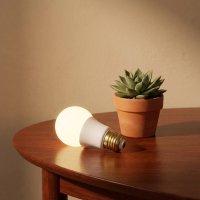
Stepping into the world of smart home technology can feel a bit daunting, especially when it comes to smart lighting. But what if I told you there’s a brilliant, straightforward solution that doesn’t demand a complex setup or break the bank? Enter the Philips Wiz Smart Bulb. As a seasoned smart lighting enthusiast with over a decade in the field, I’ve seen countless innovations, and Philips Wiz consistently stands out as an excellent gateway into intelligent illumination. It’s an affordable, hub-free option that brings vibrant colors and tunable whites right to your fingertips, transforming your living space with remarkable ease. Whether you’re a beginner or looking to expand an existing smart home, Philips Wiz offers an intuitive and powerful experience without the usual fuss.

What Makes Philips Wiz Smart Bulbs Shine?
Philips Wiz smart bulbs are designed to make smart lighting accessible to everyone, packing a surprising array of features into an affordable package. Their core appeal lies in their simplicity and versatility.
The Magic of No Hub Required
One of the most significant advantages of Philips Wiz bulbs is their direct connection capability. Unlike some other smart lighting systems that rely on a separate bridge or hub, Philips Wiz bulbs connect directly to your home’s Wi-Fi network and often utilize Bluetooth for initial setup. This hub-less design simplifies installation and reduces upfront costs, making them an ideal choice for those dipping their toes into smart lighting for the first time. It means less clutter and a more streamlined setup process.
A Spectrum of Light at Your Command
Philips Wiz bulbs offer an impressive range of lighting options. You can choose from millions of vibrant colors to set any mood, from a calming blue to an energetic red. Beyond colors, they provide a wide spectrum of tunable white light, allowing you to seamlessly transition from warm, cozy amber tones (around 2700K) for relaxation to cool, crisp daylight hues (up to 6500K) perfect for focused work. Many models, like the popular A19, deliver around 800 lumens, comparable to a traditional 60-watt incandescent bulb, providing ample brightness for most rooms. Plus, their dimming capabilities allow you to fine-tune the intensity to your exact preference, though some users note they might not dim quite as low as premium alternatives.
Smart Features Within the Wiz App
The power of your Philips Wiz smart bulbs truly comes alive through the intuitive Wiz Connected app, available for both iOS and Android. This feature-rich application empowers you to:
- Create Scenes: Save your favorite lighting combinations and recall them with a single tap. Think “Movie Night,” “Relax,” or “Morning Boost.”
- Set Schedules: Automate your lighting to turn on/off or change at specific times, mimicking natural light cycles or enhancing home security while you’re away with vacation mode.
- Rhythm Mode: This dynamic feature allows your lights to automatically cycle through up to five custom settings throughout the day, adjusting color and brightness to support your circadian rhythm.
- Energy Monitoring: Keep an eye on your energy consumption directly from the app, helping you stay mindful of your environmental impact and electricity bill.
- Custom Fade Durations: Smoothly transition between different light settings, avoiding abrupt changes.
Seamless Smart Home Integration
|
Our Picks for the Best Smart Bulb in 2026
As an Amazon Associate I earn from qualifying purchases.
|
||
| Num | Product | Action |
|---|---|---|
| 1 | Linkind Smart Light Bulbs, Smart Bulb That Work with Alexa & Google Home, LED Light Bulbs Color Changing, 104 Preset Scene, Music Sync, A19 E26 2.4GHz RGBTW WiFi Bluetooth Light Bulb 60W, 800LM, 4Pack |

|
| 2 | Tapo TP-Link Smart Light Bulbs, 16M Colors RGBW, Dimmable, Compatible with Alexa and Google Home, A19, 60W Equivalent, 800LM CRI>90, 2.4GHz WiFi only, No Hub Required, L530E(4-Pack) |
|
| 3 | Bluex Bulbs 3 Pack Motion Sensor LED Light Bulb A21, 15W 1300 Lumens, Warm White 3000K, Automatic On/Off Security Light, E26 Medium Base Indoor & Outdoor Use, 120V (3000K - Warm White) |
|
| 4 | Amazon Basics Smart A19 LED Light Bulb, Color Changing, 9W (60W Equivalent), 800LM, Works with Alexa Only, 2.4 GHz Wi-Fi, No Hub Required, 1 Pack |
|
| 5 | Govee LED Smart Light Bulbs, 1000LM Color Changing Light Bulb, Wi-Fi & Bluetooth Light Bulbs, Work with Alexa and Google Assistant, Dimmable RGBWW A19 75W Equivalent Smart Bulbs, 2 Pack |
|
| 6 | Kasa Smart Light Bulbs that works with Alexa and Google Home, Dimmable Smart LED Bulb, A19, 9W, 800Lumens, Soft White(2700K), CRI≥90, WiFi 2.4Ghz only, No Hub Required, 4 Count (Pack of 1)(KL110P4) |
|
| 7 | Govee Smart Light Bulbs, Color Changing Light Bulb, Work with Alexa and Google Assistant, 16 Million Colors RGBWW, WiFi & Bluetooth LED Light Bulbs, Music Sync, A19, 800 Lumens, 4 Pack |
|
| 8 | SYLVANIA Wifi LED Smart Light Bulb, 60W Equivalent Full Color and Tunable White A19, Dimmable, Compatible with Alexa and Google Home Only - 4 Pack (75674) |
|
| 9 | Kasa Smart Light Bulbs, Full Color Changing Dimmable Smart WiFi Bulbs Compatible with Alexa and Google Home, A19, 60 W 800 Lumens,2.4Ghz only, No Hub Required, 2-Pack (KL125P2), Multicolor |
|
| 10 | Amazon Basics Smart A19 LED Light Bulb, Dimmable Soft White (2700K), 9W (60W Equivalent), 800LM, Works with Alexa Only, 2.4 GHz Wi-Fi, No Hub Required, 4 Pack |
|
Philips Wiz bulbs play well with others. They are fully compatible with popular voice assistants like Amazon Alexa, Google Assistant, and even Siri Shortcuts. This means you can control your lights with simple voice commands, adding a layer of convenience to your smart home ecosystem. “Hey Google, turn the living room lights blue,” or “Alexa, dim the bedroom to 50%” are just a few words away from reality. Additionally, they often support integrations with platforms like IFTTT (If This Then That) and SmartThings, opening up even more automation possibilities. Newer Philips Wiz bulbs even boast Matter support, future-proofing your setup and enhancing compatibility across various smart home platforms.
Setting Up Your Philips Wiz Smart Bulb: A Step-by-Step Guide
Getting your Philips Wiz smart bulb up and running is remarkably simple. Here’s how to do it:
1. Download the Wiz Connected App
Before anything else, grab the “WiZ Connected” app from your device’s app store (Apple App Store for iOS or Google Play Store for Android). While you don’t strictly need an account for basic connection, creating one is highly recommended for unlocking full features, cloud backups, and integrating with third-party services.
2. Install and Power On Your Bulb
Screw your Philips Wiz smart bulb into any standard light socket. Once powered on, a new bulb should automatically enter pairing mode, typically indicated by a pulsing white or blue light. This visual cue tells you it’s ready to connect.
3. In-App Pairing Process
- Open the WiZ App: Launch the app on your smartphone or tablet.
- Device Found: The app should display a “Device Found” card. Tap on it to proceed. If it doesn’t appear immediately, tap the ‘+’ icon in the upper-right corner and wait a few seconds.
- Select Your Light: Choose the Philips Wiz bulb you wish to add from the list.
- Assign to a Room: Allocate the bulb to a specific room in your home within the app. This helps with organization and voice control.
- Connect to Wi-Fi: Here’s a crucial tip: Philips Wiz bulbs primarily connect via 2.4 GHz Wi-Fi networks. If your router broadcasts both 2.4 GHz and 5 GHz networks, ensure your phone is connected to the 2.4 GHz network during the pairing process. Enter your Wi-Fi password.
- Confirm Connection: The app will guide you through the connection. Once successful, the bulb’s light will stabilize, and the app will confirm.
4. Connecting to Voice Assistants
Once your bulbs are set up in the Wiz app, integrating them with voice assistants is a breeze:
- For Alexa/Google Assistant: Open the Wiz app, navigate to “Settings” then “Integrations.” Select “Amazon Alexa” or “Google Assistant” and follow the on-screen prompts to link your Wiz account with the respective assistant’s app. You’ll typically enable the “Wiz Smart Home Skill” or “Wiz Connected Service” and authorize the connection.
- For Siri Shortcuts: The Wiz app also supports creating custom Siri Shortcuts for quick voice commands, allowing you to trigger scenes or actions specific to your Wiz lights.
Maximizing Your Smart Lighting Experience: Tips & Maintenance
To truly get the most out of your Philips Wiz smart bulbs and ensure they provide years of reliable service, consider these expert tips:
Embrace the Power of Scenes and Rhythms
Don’t just use your smart bulbs for on/off control. Dive into the Wiz app and create custom scenes for every occasion. A “Relaxation” scene with warm, dim light, or a “Study” scene with bright, cool light can transform your environment instantly. Experiment with Rhythm Mode to let your lights automatically adjust throughout the day, enhancing your natural body clock. “This feature alone can greatly improve your daily well-being, gently waking you up and helping you wind down naturally,” explains Dr. Arlo Jensen, a renowned smart lighting innovator.
Monitor Energy Consumption
Take advantage of the energy monitoring feature in the Wiz app. Understanding how much power your lights consume can help you make more informed decisions about usage and optimize your schedules for energy efficiency.
Keep an Eye on Firmware Updates
Like any smart device, Philips Wiz bulbs receive periodic firmware updates to improve performance, add features, and fix bugs. These updates usually happen automatically. If a bulb temporarily goes offline, it might simply be undergoing a firmware update; give it a few minutes to reconnect.
Optimal Placement and Wi-Fi Signal
While Wiz bulbs are hub-free, a stable 2.4 GHz Wi-Fi signal is paramount for their performance. Ensure your bulbs are within a reasonable range of your Wi-Fi router. If you have a large home, consider a Wi-Fi extender or mesh network to ensure consistent connectivity in all areas where you have smart bulbs installed.
Simple Maintenance for Longevity
Smart bulbs, being LEDs, are known for their long lifespan. However, a little care goes a long way. Regularly wipe your bulbs clean with a dry, soft cloth to prevent dust buildup, which can affect light output and heat dissipation. Ensure they are installed in fixtures that allow for adequate airflow to prevent overheating.
Troubleshooting Common Philips Wiz Smart Bulb Issues
Even the most reliable smart devices can encounter a hiccup or two. Here’s how to tackle common issues with your Philips Wiz smart bulbs:
Bulb Appears “Offline” or Won’t Connect
This is by far the most frequent issue.
- App Refresh: Start by force-closing and reopening the Wiz app. Sometimes, it’s just a display error.
- Power Check: Ensure the bulb is physically powered on at the wall switch. It sounds basic, but it’s a common oversight, especially for those new to smart lights where habits still involve flicking switches. If it was switched off, power it back on, wait 5 seconds, and then power it on again.
- Wi-Fi Network: Confirm your Wi-Fi network is active and stable. Remember, Wiz bulbs prefer a 2.4 GHz network. If your Wi-Fi password has changed, you’ll need to re-do the pairing procedure in the app to update the credentials.
- Router Overload: Most Wi-Fi routers have a limit on connected devices (often around 60). If you have many smart home gadgets, your router might be overloaded. Try disconnecting some less critical devices temporarily to see if the bulb reconnects.
- Wi-Fi Channel Interference: In congested areas, Wi-Fi channel interference can disrupt connectivity. Access your router settings (via a web browser or your ISP’s app) and try changing your 2.4 GHz Wi-Fi channel to 1, 6, or 11, which are generally less congested.
- Factory Reset and Re-pairing: If all else fails, perform a factory reset. The general method is to turn the bulb off and on five times in quick succession until it pulses. Then, try the pairing process again.
- Legacy App: Some users have found success re-pairing stubborn bulbs using the older “Wiz Legacy” app, especially for older bulb models or specific network configurations.
- Defective Batch: If multiple bulbs consistently fail to connect despite troubleshooting, especially if they are from the same purchase, you might have a defective batch. Contact Philips Wiz support for potential replacements.
Sync Issues Between Multiple Bulbs
If your bulbs aren’t syncing colors or brightness consistently, it often points to an unstable Wi-Fi connection for one or more bulbs. Ensure all bulbs are on the same 2.4 GHz network and have a strong signal. Rebooting your router can often resolve temporary network glitches.
Dimming Not Low Enough
While Philips Wiz bulbs offer dimming, they may not reach ultra-low brightness levels compared to some premium brands. This is typically a hardware limitation and not a fault. Adjust your expectations accordingly or consider alternative brands if ultra-low dimming is a critical requirement.
Color Inaccuracy for Certain Hues
While Philips Wiz bulbs deliver a wide range of colors, some users have noted that certain hues (like yellows, oranges, purples, or magentas) might not be as vibrant or accurate as those from higher-end systems like Philips Hue. However, for most common colors and tunable whites, they perform admirably.
Philips Wiz vs. The Competition: A Smart Choice?
When considering smart lighting, Philips Wiz often comes up in comparison with its sibling brand, Philips Hue, and other competitors. Understanding these differences can help you make an informed decision.
Philips Wiz vs. Philips Hue
The most common comparison is often made with Philips Hue. Both are owned by Signify, but they target different segments of the market:
- Cost: Philips Wiz is significantly more affordable, making it a budget-friendly entry point.
- Hub Requirement: Wiz is hub-free (Wi-Fi/Bluetooth), while Hue typically requires a Hue Bridge (Zigbee protocol) for full functionality, though newer Hue bulbs offer limited Bluetooth control. The Bridge offers greater stability, reliability, and faster response times, particularly for larger setups.
- Connectivity: Wiz uses Wi-Fi and Bluetooth. Hue uses Zigbee (via the Bridge) and Bluetooth. Zigbee is often considered more robust and less prone to Wi-Fi interference, especially with many devices.
- App & Features: Both apps are feature-rich, offering scenes, schedules, and dynamic modes. The Wiz app’s “Rhythm Mode” is a standout. Hue’s app often boasts broader third-party integrations (like Apple HomeKit) and more refined control over zones and advanced automations.
- Color Quality & Dimming: Hue often leads in overall color vibrancy, especially for purples and magentas, and can dim to lower levels. Wiz offers excellent whites and bright blues/turquoises, providing great value for its price point.
- Ecosystem: Hue has a vast ecosystem of various light fixtures, strips, and accessories, plus a “Sync Box” for media synchronization. Wiz is expanding its ecosystem, including an HDMI Sync Box as an affordable alternative.
For those prioritizing affordability and a simple, hub-free setup, Philips Wiz is an excellent choice. If you’re building a large, complex smart lighting system with extensive third-party integrations and require the absolute best in color fidelity and ultra-low dimming, Philips Hue might be a better fit, albeit at a higher cost.
Other Notable Alternatives
The smart bulb market is bustling with innovation. Here are a few other strong contenders:
- LIFX: Known for their incredibly bright and vivid colors, often without needing a hub. They can be pricier than Wiz.
- Govee: Offers a wide range of smart lighting, including strips and panels, with strong dynamic effects and music sync, often at competitive prices.
- GE Cync: Another hub-free option that connects directly via Wi-Fi, offering decent performance and multi-color effects.
- TP-Link Kasa Smart Bulbs: Affordable, hub-free, and offer good features like energy monitoring and away mode.
- Wyze Bulb Color: A strong budget option, compatible with Alexa and Google Assistant, offering good color range and brightness.
- Nanoleaf Matter Essentials: These bulbs offer Matter compatibility for broad integration and good color output, making them a versatile pick.
Each brand has its strengths, but Philips Wiz holds its ground as a fantastic balance of features, ease of use, and affordability, particularly for those looking to enhance their smart home without a hefty investment.
Frequently Asked Questions (FAQ)
Q: Do Philips Wiz bulbs require a hub?
A: No, Philips Wiz smart bulbs connect directly to your home’s 2.4 GHz Wi-Fi network and use Bluetooth for initial setup, eliminating the need for a separate hub. This makes them very easy to install and more budget-friendly.
Q: What’s the main difference between Philips Wiz and Philips Hue?
A: The primary difference is connectivity and cost. Philips Wiz bulbs are hub-free, using Wi-Fi, and are generally more affordable. Philips Hue bulbs typically use a dedicated Hue Bridge (Zigbee protocol) for robust connectivity and offer a wider ecosystem, often at a higher price point.
Q: How do I reset my Philips Wiz bulb to factory settings?
A: To factory reset a Philips Wiz bulb, turn it off and on five times consecutively using the light switch. The bulb will then begin to pulse, indicating it has entered pairing mode and is reset.
Q: Why is my Philips Wiz bulb showing “offline” in the app?
A: This can happen for several reasons: the bulb might be physically powered off at the switch, your Wi-Fi network could be down or unstable, the Wi-Fi password may have changed, or your router might be overloaded. Try power cycling the bulb or checking your Wi-Fi connection.
Q: Can I use Philips Wiz with Apple HomeKit?
A: Philips Wiz bulbs do not natively support Apple HomeKit. However, with newer Matter-certified Wiz bulbs, you can integrate them into HomeKit via a Matter controller (like a HomePod mini or Apple TV) that acts as a bridge.
Q: Are Philips Wiz bulbs energy efficient?
A: Yes, like most modern LED smart bulbs, Philips Wiz bulbs are highly energy-efficient, consuming significantly less power than traditional incandescent bulbs and lasting for many years. The Wiz app also offers energy monitoring features to help you track consumption.
Q: What is “Rhythm Mode” in the Wiz app?
A: Rhythm Mode is a unique feature in the Wiz app that allows your lights to automatically change color and brightness throughout the day, following a pre-set schedule to support your natural circadian rhythm. It’s great for simulating natural daylight cycles.
Embrace the Smart Light Revolution with Philips Wiz
The Philips Wiz Smart Bulb ecosystem offers an accessible, powerful, and fun way to revolutionize your home lighting. From effortlessly setting the perfect mood with millions of colors to simplifying your daily routine with automated schedules and voice control, these bulbs deliver premium features without the premium price tag or the hassle of a hub. As someone who’s lived and breathed smart lighting for over a decade, I can confidently say that Philips Wiz is an excellent choice for anyone looking to step up their lighting game. So go ahead, dim the lights, crank up the color, and let Philips Wiz illuminate your world – you’ll wonder how you ever lived without them!
Smart home that does not lock you in
Free PDF — protocol compatibility matrix for 30 hubs and devices.