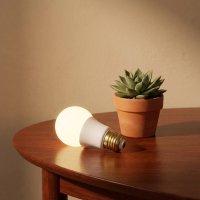
Welcome to the future of home illumination, where your lights do more than just turn on and off. As a leading expert in smart lighting with over a decade of hands-on experience and a content creator for Srjja.com, I’ve seen firsthand how smart bulbs are revolutionizing our living spaces. These clever little devices are not just about convenience; they’re about transforming your environment, saving energy, and seamlessly integrating with your smart home ecosystem. Dive in with me as we explore everything you need to know about smart bulbs, from their core technology to advanced troubleshooting, ensuring you can confidently choose, install, and enjoy the perfect smart lighting setup.

Unpacking the Magic: What Exactly is a Smart Bulb?
At its heart, a smart bulb is an LED light bulb equipped with wireless communication technology. Think of it as a traditional bulb that went to tech school. Instead of relying solely on a physical switch, smart bulbs connect to your home network, allowing you to control them from your smartphone, tablet, or even your voice. This leap from simple on/off functionality to dynamic control is what makes smart bulbs a true game-changer in modern homes. They offer a level of customization, efficiency, and integration that traditional lighting simply can’t match, turning your home into a more responsive and intelligent space.
The Brains Behind the Light: How Smart Bulbs Connect
Understanding how smart bulbs communicate is key to choosing the right ones for your home. There are a few primary ways these intelligent lights connect:
- Wi-Fi Smart Bulbs: These are perhaps the most common, connecting directly to your home’s Wi-Fi network. Many Wi-Fi smart bulbs don’t require an additional hub, making them an easy entry point into smart lighting. They can be controlled via their dedicated app and often integrate effortlessly with popular voice assistants like Alexa and Google Assistant.
- Bluetooth Smart Bulbs: Bluetooth bulbs connect directly to your smartphone or tablet via Bluetooth Low Energy (BLE). While they offer a more limited control range compared to Wi-Fi (you usually need to be relatively close to the bulb), they are typically more affordable and also don’t require a hub for basic functionality. They’re great for single-room setups or if you’re just dipping your toes into smart lighting.
- Zigbee & Z-Wave Smart Bulbs: These protocols are designed specifically for smart home devices, creating a mesh network. This means each bulb can communicate with its neighbors, extending the network’s range and reliability, especially for larger homes with many smart devices. However, Zigbee and Z-Wave bulbs usually require a dedicated hub or bridge (like the Philips Hue Bridge) to connect to your home network and the internet. If you already have a robust smart home system, these can be excellent for stability and scalability.
- Matter-Enabled Smart Bulbs: Matter is the newest universal connectivity standard aiming to unify the smart home ecosystem. Matter-enabled smart bulbs promise seamless interoperability across different brands and platforms, meaning a Matter bulb should work effortlessly with any Matter-compatible hub or controller, regardless of the manufacturer. This is a significant step towards simplifying the smart home experience.
Lighting Up Your Life: Benefits and Applications of Smart Bulbs
The allure of smart bulbs extends far beyond simple remote control. They bring a host of benefits that enhance convenience, comfort, and even security in your home.
Customization at Your Fingertips
|
Our Picks for the Best Smart Bulb in 2026
As an Amazon Associate I earn from qualifying purchases.
|
||
| Num | Product | Action |
|---|---|---|
| 1 | SYLVANIA Wifi LED Smart Light Bulb, 60W Equivalent Full Color and Tunable White A19, Dimmable, Compatible with Alexa and Google Home Only - 4 Pack (75674) |

|
| 2 | Kasa Smart Light Bulbs that works with Alexa and Google Home, Dimmable Smart LED Bulb, A19, 9W, 800Lumens, Soft White(2700K), CRI≥90, WiFi 2.4Ghz only, No Hub Required, 4 Count (Pack of 1)(KL110P4) |
|
| 3 | Govee Smart Light Bulbs, Color Changing Light Bulb, Work with Alexa and Google Assistant, 16 Million Colors RGBWW, WiFi & Bluetooth LED Light Bulbs, Music Sync, A19, 800 Lumens, 4 Pack |
|
| 4 | Tapo TP-Link Smart Light Bulbs, 16M Colors RGBW, Dimmable, Compatible with Alexa and Google Home, A19, 60W Equivalent, 800LM CRI>90, 2.4GHz WiFi only, No Hub Required, L530E(4-Pack) |
|
| 5 | Kasa Smart Light Bulbs, Full Color Changing Dimmable Smart WiFi Bulbs Compatible with Alexa and Google Home, A19, 60 W 800 Lumens,2.4Ghz only, No Hub Required, 2-Pack (KL125P2), Multicolor |
|
| 6 | Bluex Bulbs 3 Pack Motion Sensor LED Light Bulb A21, 15W 1300 Lumens, Warm White 3000K, Automatic On/Off Security Light, E26 Medium Base Indoor & Outdoor Use, 120V (3000K - Warm White) |
|
| 7 | Amazon Basics Smart A19 LED Light Bulb, Dimmable Soft White (2700K), 9W (60W Equivalent), 800LM, Works with Alexa Only, 2.4 GHz Wi-Fi, No Hub Required, 4 Pack |
|
| 8 | Amazon Basics Smart A19 LED Light Bulb, Color Changing, 9W (60W Equivalent), 800LM, Works with Alexa Only, 2.4 GHz Wi-Fi, No Hub Required, 1 Pack |
|
| 9 | Linkind Smart Light Bulbs, Smart Bulb That Work with Alexa & Google Home, LED Light Bulbs Color Changing, 104 Preset Scene, Music Sync, A19 E26 2.4GHz RGBTW WiFi Bluetooth Light Bulb 60W, 800LM, 4Pack |
|
| 10 | Govee LED Smart Light Bulbs, 1000LM Color Changing Light Bulb, Wi-Fi & Bluetooth Light Bulbs, Work with Alexa and Google Assistant, Dimmable RGBWW A19 75W Equivalent Smart Bulbs, 2 Pack |
|
Imagine adjusting your lights to perfectly match your mood or activity. With smart bulbs, you can:
- Brightness Control: Dim or brighten your lights to any level, creating the perfect ambiance for a cozy movie night or a bright workspace.
- Tunable White Light: Shift between warm, inviting tones (like a traditional incandescent) to cool, crisp daylight hues, optimizing your environment for relaxation or productivity.
- Millions of Colors: Many smart bulbs offer a spectrum of 16 million colors, allowing you to transform your room for parties, holidays, or simply to express your personality.
Energy Efficiency & Cost Savings
Smart bulbs, being predominantly LED technology, are inherently more energy-efficient than traditional incandescent bulbs. But their “smart” features supercharge these savings:
- Scheduling: Set your lights to turn on and off automatically at specific times, ensuring they’re only on when needed.
- Dimming Capabilities: Using less brightness means consuming less power.
- Remote Control: Forgot to turn off the lights before leaving home? No problem! Turn them off from anywhere using your smartphone, preventing wasted energy.
Seamless Smart Home Integration
Smart bulbs are integral to a truly connected home:
- Voice Control: Command your lights with simple phrases using Amazon Alexa, Google Assistant, or Apple Siri. “Alexa, turn on the living room lights” is all it takes.
- Routines & Automation: Integrate smart bulbs with other smart devices. For instance, have your entryway lights turn on automatically when your smart lock disengages, or dim the lights when you start a movie on your smart TV.
Enhanced Security
Smart bulbs can play a role in home security:
- Away Mode: Simulate occupancy by having lights turn on and off randomly when you’re away, deterring potential intruders.
Versatile Applications
From practical illumination to decorative flair, smart bulbs fit everywhere:
- Indoor Ambiance: Create dynamic lighting scenes for dinner parties, quiet evenings, or vibrant gatherings.
- Task Lighting: Adjust brightness and color temperature to reduce eye strain while reading or working.
- Outdoor Spaces: Weather-resistant smart bulbs can enhance curb appeal, provide security lighting with motion sensors, and set the mood for outdoor entertaining.
Setting the Scene: A Step-by-Step Guide to Smart Bulb Installation
Getting your smart bulb up and running is often surprisingly simple. Here’s how to do it:
Before You Begin
- Check Wi-Fi: Most smart bulbs operate on the 2.4GHz Wi-Fi band. Ensure your router is configured for this, or that your phone is connected to the 2.4GHz network during setup.
- Download the App: Install the manufacturer’s dedicated app (e.g., Philips Hue, Kasa Smart, WiZ) or your preferred smart home app (e.g., Amazon Alexa, Google Home) from your device’s app store.
- Power Down: Always ensure the light fixture’s power switch is off before handling bulbs to prevent electric shock.
Step 1: The Physical Connection
Unscrew your old bulb and screw in the new smart bulb. Make sure it’s snug, then turn the light fixture’s power switch back on.
Step 2: App Installation & Account Setup
Open the app you downloaded. If it’s your first time, you’ll need to create an account and potentially set up your “home” or “rooms” within the app.
Step 3: Initiating Pairing Mode
Most smart bulbs need to be put into “pairing mode” for the app to find them. This usually involves a specific power cycling sequence: quickly turn the light switch off and on several times (often 3-5 times) until the bulb starts blinking rapidly. This rapid blinking indicates it’s ready to connect.
Step 4: Connecting to Your Network
In the app, select “Add Device” or “Add Bulb.” The app will scan for available smart bulbs. Once found, follow the on-screen prompts. You’ll typically need to select your 2.4GHz Wi-Fi network and enter your Wi-Fi password. If your smart bulb requires a hub, you’ll connect the hub to your router first, then add bulbs through the hub’s app.
Step 5: Voice Assistant Integration
To enable voice control, open your Amazon Alexa or Google Home app. Navigate to the “Devices” or “Skills” section, search for the smart bulb brand’s skill/service, and link your accounts. Now you can use voice commands!
Expert Tip: “Once your smart bulb is set up, it’s crucial to always leave the physical wall switch in the ‘on’ position,” advises Srjja’s Lead Smart Home Engineer, David Chen. “Turning off the wall switch cuts power to the bulb, rendering it ‘dumb’ and preventing you from controlling it via your app or voice assistant.”
Keeping Your Smart Lights Shining Bright: Tips for Use and Maintenance
To ensure your smart bulbs provide years of reliable service, a little care goes a long way.
- Stay Updated: Regularly check for and install firmware updates for your smart bulbs and their companion apps. Updates often include bug fixes, performance improvements, and new features.
- Optimize Wi-Fi Coverage: Smart bulbs rely heavily on a stable Wi-Fi connection. If you experience frequent disconnections, consider moving your router closer to the bulbs or investing in a Wi-Fi extender to boost signal strength.
- Embrace Smart Control: As David Chen mentioned, avoid using the physical wall switch to turn your smart bulbs on and off. Instead, use the app, voice commands, or set up routines. If you must use a switch, consider smart switches designed to keep power flowing to your bulbs while still offering manual control.
- Gentle Cleaning: Like any electronic device, smart bulbs can collect dust. Gently wipe them with a dry, soft cloth when cool to maintain optimal light output and prevent overheating.
- Group for Efficiency: If you have multiple smart bulbs in one room, group them within your app. This allows you to control them all simultaneously with a single command or tap, enhancing convenience and efficiency.
When Things Go Dim: Common Smart Bulb Problems and Quick Fixes
Even the smartest devices can sometimes act up. Here are common smart bulb issues and how to troubleshoot them.
Why is My Smart Bulb Not Connecting or Responding?
This is the most frequent complaint, often stemming from network issues.
- Check Power: Ensure the bulb is screwed in properly and the wall switch is on.
- Wi-Fi Band: Double-check that your bulb (and your phone during setup) is connected to a 2.4GHz Wi-Fi network. Many older smart bulbs don’t support 5GHz.
- Range & Signal: Is the bulb too far from your Wi-Fi router or smart home hub? Move it closer or consider a Wi-Fi extender.
- Router Overload: Too many devices on your network can cause congestion. Try disconnecting some non-essential devices.
- Wrong Password/App Permissions: Verify your Wi-Fi password and ensure the bulb’s app has necessary permissions (like location or Bluetooth).
- Solution: Power cycle the bulb (turn off/on at the switch for a few seconds) and your Wi-Fi router. Update the app and bulb firmware if possible. If all else fails, a factory reset (usually involving a specific power cycle sequence) might be necessary, but this will erase all settings.
My Smart Bulb is Flickering
Flickering can be annoying and usually points to one of a few issues.
- Incompatibility with Dimmers: Smart bulbs generally aren’t designed to work with traditional dimmer switches, which can cause flickering. If you have an existing dimmer, bypass it or replace it with a smart dimmer compatible with your bulbs.
- Loose Connection: Ensure the bulb is screwed tightly into its socket.
- Software Glitch: An outdated firmware or app bug can sometimes cause flickering.
- Solution: Update firmware and app. If still flickering and connected to a traditional dimmer, remove the dimmer. A factory reset can also resolve software-related flickering.
Colors or Brightness Are Off
If your smart bulb isn’t displaying the right hue or isn’t as bright as you expect.
- App Calibration: Open the smart bulb’s app and recalibrate the color or brightness settings.
- Saturation Settings: For color-changing bulbs, check the color picker or saturation slider in the app – sometimes it’s unintentionally set to a low saturation.
- Solution: Recalibrate through the app, ensure saturation is at 100% for vibrant colors, and if persistent, perform a soft reset or factory reset.
Bulb Won’t Enter Pairing Mode
The specific power cycling sequence is crucial for entering pairing mode.
- Incorrect Sequence: You might not be hitting the on/off intervals precisely enough.
- Solution: Refer to your bulb’s user manual for the exact power cycling sequence (e.g., on for 1 second, off for 1 second, three times). Practice the timing until the bulb begins to flash.
Illuminating Choices: Top Smart Bulb Brands on the Market
The smart bulb market is vast, with options to suit every budget and preference. Here are some of the leading brands:
- Philips Hue: Often considered the gold standard, Philips Hue offers an extensive range of bulbs and smart lighting products. Known for excellent light quality, smooth dimming, and robust features, it typically requires a Hue Bridge for full functionality but offers unparalleled reliability and ecosystem integration.
- WiZ: A fantastic choice for those seeking affordability without sacrificing features, WiZ bulbs operate over Wi-Fi, meaning no separate hub is required. They offer millions of colors and tunable white options, making them a great value.
- Kasa Smart (TP-Link): Kasa bulbs are known for their reliability, easy setup, and seamless integration with the Kasa smart home ecosystem. They offer solid performance and good value, often without needing a hub.
- LIFX: For truly vibrant and powerful colors, LIFX bulbs stand out. They connect directly via Wi-Fi, eliminating the need for a hub, though some users have reported connection inconsistencies over time, which often get resolved with firmware updates.
- Nanoleaf, GE Cync, Sengled, Feit Electric, Cree Lighting: These brands also offer competitive smart bulb options, each with unique strengths in terms of compatibility, price point, and specific features like Matter support or specialized outdoor bulbs.
Expert Insight: What to Look for in a Smart Bulb
As a seasoned veteran in smart lighting, I often get asked what truly makes a smart bulb “smart” for a user. Here’s my advice:
- Connectivity: Prioritize bulbs that align with your existing smart home setup. If you already have an Alexa ecosystem, look for Alexa-compatible Wi-Fi or Matter bulbs. If you’re building a comprehensive smart home, a Zigbee/Z-Wave system with a hub might be a more stable choice.
- Brightness & Color: Check the lumen output to ensure the bulb is bright enough for its intended space. Decide if you need tunable white light for functional areas or full RGB color for ambiance and creative lighting.
- Compatibility: Verify that the bulb works with your preferred voice assistant (Alexa, Google Assistant, Siri) and any other smart home platforms you use (e.g., Samsung SmartThings, HomeKit). Matter compatibility is a strong future-proofing feature.
- App Features: Look for an intuitive app that offers scheduling, customizable scenes, and perhaps energy usage monitoring to help you track savings.
- Longevity & Warranty: LED bulbs are designed to last, often 15,000-25,000 hours. Check the manufacturer’s warranty for peace of mind.
Frequently Asked Questions About Smart Bulbs
Q: Do all smart bulbs require a hub?
A: No, not all smart bulbs require a hub. Many Wi-Fi and Bluetooth smart bulbs connect directly to your home network or smartphone. However, Zigbee and Z-Wave bulbs do require a dedicated hub to function. Matter-enabled bulbs can work with any Matter-compatible controller, which might be a hub or a smart speaker.
Q: Can I use smart bulbs outdoors?
A: Yes, you can! Many brands offer smart bulbs specifically designed for outdoor use. These bulbs are typically weather-resistant and built to withstand various environmental conditions. Always look for outdoor-rated smart bulbs to ensure durability and safety.
Q: How much energy do smart bulbs save?
A: Smart bulbs are highly energy-efficient because they use LED technology, which consumes significantly less power than incandescent bulbs. Additionally, features like scheduling, dimming, and remote control help reduce energy waste by ensuring lights are only on when needed and at the appropriate brightness, leading to noticeable savings on your electricity bill.
Q: What is the “Matter” standard?
A: Matter is a new, unified smart home connectivity standard designed to make smart devices from different manufacturers work together seamlessly. For smart bulbs, this means a Matter-enabled bulb should be compatible with any Matter-certified smart home ecosystem or controller, simplifying setup and integration.
Q: Can I dim smart bulbs with my existing dimmer switch?
A: Generally, no. Most smart bulbs are not compatible with traditional dimmer switches and can flicker or be damaged if connected to one. Smart bulbs have their own built-in dimming capabilities controlled via their app or voice commands. If you have a traditional dimmer, it’s best to replace it with a standard on/off switch or a smart switch designed for smart bulbs.
The world of smart bulbs offers an incredible blend of technology, convenience, and aesthetic appeal, truly transforming how we interact with our homes. From setting the perfect mood to cutting down on energy costs, these intelligent lights are an accessible entry point into the broader smart home revolution. At Srjja, we’re committed to providing you with the knowledge and confidence to make the most of this exciting technology. So go ahead, illuminate your world, embrace the smart lighting experience, and let your home shine brighter than ever before!
Smart home that does not lock you in
Free PDF — protocol compatibility matrix for 30 hubs and devices.