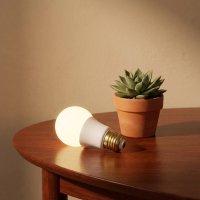
Indoor gardening has always been a delightful pursuit, a way to bring nature’s vibrancy into our homes. Yet, the persistent challenge of providing adequate light often limits our green ambitions. Enter the smart grow light bulb, a revolutionary solution transforming how we cultivate plants indoors. No longer are you tied to manual timers or struggling with leggy plants; these intelligent bulbs offer precision, automation, and convenience, making every indoor space a potential thriving garden. With smart grow light bulbs, you’re not just growing plants; you’re nurturing them with cutting-edge technology designed for optimal health and spectacular growth.

What Exactly is a Smart Grow Light Bulb?
At its heart, a smart grow light bulb is a specialized lighting device engineered to provide the exact light spectrum and intensity that plants need for photosynthesis. Unlike a regular light bulb designed solely for human vision, these bulbs mimic the sun’s natural light, delivering crucial wavelengths essential for plant development. They predominantly use energy-efficient LED technology, which allows for precise control over light output while minimizing heat.
How They Work Their Magic
The “magic” of a smart grow light bulb lies in its ability to emit specific electromagnetic spectrums that drive photosynthesis. Plants absorb light primarily in the blue and red wavelengths for different stages of growth. Blue light is vital for vegetative growth, promoting strong stems and lush foliage, while red light is crucial for flowering and fruiting. Modern smart grow light bulbs often provide a “full spectrum” light, appearing white to the human eye, which balances these wavelengths to support all growth phases.
Beyond the Basics: The “Smart” Factor
What truly sets these bulbs apart is their integrated smart technology. This means they connect to your home’s network, typically via Wi-Fi or Bluetooth, allowing you to control them remotely through a smartphone app or even voice commands. This connectivity unlocks a host of advanced features, moving beyond simple on/off switches to truly intelligent plant care.
Why Smart Grow Light Bulbs Are a Game-Changer for Your Plants
The evolution from traditional grow lights to smart grow light bulbs brings a multitude of benefits that cater to both the plant’s needs and the gardener’s convenience.
Customized Light for Every Life Stage
Different plants and different growth stages demand varying light conditions. Seedlings might require less intense light, while flowering plants crave a boost in the red spectrum. Smart grow light bulbs allow for unparalleled customization. Through their accompanying apps, you can adjust brightness levels (dimming), switch between specific light spectrums (blue for vegetative, red for flowering, or a balanced full spectrum), and tailor the light intensity according to your plants’ exact requirements. This precision ensures your plants receive exactly what they need, when they need it, fostering robust growth from seed to harvest.
Effortless Automation and Scheduling
|
Our Picks for the Best Smart Bulb in 2026
As an Amazon Associate I earn from qualifying purchases.
|
||
| Num | Product | Action |
|---|---|---|
| 1 | Govee Smart Light Bulbs, Color Changing Light Bulb, Work with Alexa and Google Assistant, 16 Million Colors RGBWW, WiFi & Bluetooth LED Light Bulbs, Music Sync, A19, 800 Lumens, 4 Pack |

|
| 2 | Bluex Bulbs 3 Pack Motion Sensor LED Light Bulb A21, 15W 1300 Lumens, Warm White 3000K, Automatic On/Off Security Light, E26 Medium Base Indoor & Outdoor Use, 120V (3000K - Warm White) |
|
| 3 | Kasa Smart Light Bulbs that works with Alexa and Google Home, Dimmable Smart LED Bulb, A19, 9W, 800Lumens, Soft White(2700K), CRI≥90, WiFi 2.4Ghz only, No Hub Required, 4 Count (Pack of 1)(KL110P4) |
|
| 4 | Kasa Smart Light Bulbs, Full Color Changing Dimmable Smart WiFi Bulbs Compatible with Alexa and Google Home, A19, 60 W 800 Lumens,2.4Ghz only, No Hub Required, 2-Pack (KL125P2), Multicolor |
|
| 5 | Amazon Basics Smart A19 LED Light Bulb, Dimmable Soft White (2700K), 9W (60W Equivalent), 800LM, Works with Alexa Only, 2.4 GHz Wi-Fi, No Hub Required, 4 Pack |
|
| 6 | Linkind Smart Light Bulbs, Smart Bulb That Work with Alexa & Google Home, LED Light Bulbs Color Changing, 104 Preset Scene, Music Sync, A19 E26 2.4GHz RGBTW WiFi Bluetooth Light Bulb 60W, 800LM, 4Pack |
|
| 7 | Govee LED Smart Light Bulbs, 1000LM Color Changing Light Bulb, Wi-Fi & Bluetooth Light Bulbs, Work with Alexa and Google Assistant, Dimmable RGBWW A19 75W Equivalent Smart Bulbs, 2 Pack |
|
| 8 | Tapo TP-Link Smart Light Bulbs, 16M Colors RGBW, Dimmable, Compatible with Alexa and Google Home, A19, 60W Equivalent, 800LM CRI>90, 2.4GHz WiFi only, No Hub Required, L530E(4-Pack) |
|
| 9 | Amazon Basics Smart A19 LED Light Bulb, Color Changing, 9W (60W Equivalent), 800LM, Works with Alexa Only, 2.4 GHz Wi-Fi, No Hub Required, 1 Pack |
|
| 10 | SYLVANIA Wifi LED Smart Light Bulb, 60W Equivalent Full Color and Tunable White A19, Dimmable, Compatible with Alexa and Google Home Only - 4 Pack (75674) |
|
One of the biggest headaches for indoor gardeners is managing light schedules. Smart grow light bulbs eliminate this manual chore. You can program precise on/off times, set daily schedules that mimic natural sunrise and sunset patterns, and even simulate weather conditions. Imagine a grow light that automatically dims as a “cloudy day” passes or brightens with a “sunny morning.” This “set it and forget it” automation saves time and ensures consistent light exposure, a critical factor for plant health.
Energy Efficiency That Saves You Green (and Money)
The vast majority of smart grow light bulbs utilize LED technology, making them incredibly energy-efficient. Compared to older grow light technologies like HID or fluorescent bulbs, LEDs consume significantly less power while delivering superior light output. This translates directly to lower electricity bills. Furthermore, LED smart grow light bulbs boast impressive longevity, often lasting over 50,000 hours, meaning fewer replacements and less waste. Their lower heat output also protects your plants from burning and reduces the need for additional cooling systems, adding to overall energy savings.
Enhanced Plant Health and Yields
By providing tailored and consistent light, smart grow light bulbs directly contribute to healthier plants and increased yields. Plants under optimized lighting develop stronger root systems, lush foliage, and more vibrant blooms or abundant fruits. This scientific approach to lighting ensures that photosynthesis occurs at its peak, leading to faster growth rates and more resilient plants.
Seamless Smart Home Integration
For those who embrace smart home technology, these bulbs fit right in. Many smart grow light bulbs are compatible with popular smart home ecosystems, allowing for voice control via smart assistants or integration into broader home automation routines. Imagine saying, “Hey Google, turn on the grow lights for my herbs,” or having them sync with other smart devices in your home for a truly connected gardening experience.
Choosing the Right Smart Grow Light Bulb for Your Indoor Oasis
Navigating the market for the perfect smart grow light bulb can be daunting, but focusing on a few key features will guide your decision.
Spectrum is Key: Full, Red, and Blue
Always prioritize full-spectrum LED bulbs. These offer a balanced light profile that supports all stages of plant growth and is more pleasant for human eyes than the stark pink/purple hues of older red/blue-only lights. However, ensure the bulb also allows you to adjust or boost specific red and blue wavelengths for targeted growth phases, such as more blue for leafy greens and more red for flowering.
Brightness Matters: Understanding PPFD
While wattage gives a general idea of power consumption, for plant growth, look for Photosynthetic Photon Flux Density (PPFD). PPFD measures the amount of photosynthetically active radiation (PAR) that actually reaches your plants. Higher PPFD generally means more light for photosynthesis, but different plants have different needs. Research the ideal PPFD range for your specific plants to ensure optimal results.
Connectivity and App Features
A robust and intuitive app is crucial for a truly “smart” experience. Look for apps that offer:
- Precise scheduling and timer functions.
- Dimmable control (1-100%).
- Adjustable spectrum options.
- Remote monitoring.
- Plant-specific growth programs or databases.
- Integration with weather patterns or sunrise/sunset data.
- The ability to group and control multiple bulbs simultaneously.
Form Factor and Fixture Compatibility
Smart grow light bulbs come in various forms, often fitting standard light sockets (E26/E27). Consider whether you need a standalone bulb, a clip-on fixture, or a more integrated system. Ensure the bulb’s size and shape are compatible with your existing lamps or new fixtures.
Durability and Heat Management
Given the continuous operation, effective heat dissipation is vital for longevity. Look for bulbs that feature advanced cooling technologies, such as ceramic heat sinks, to prevent overheating. If you’re growing in humid environments, some advanced bulbs even offer nano-coating for water resistance, enhancing durability.
Setting Up Your Smart Grow Light Bulbs: A Step-by-Step Guide
Getting your smart grow light bulbs up and running is typically straightforward, designed for user-friendliness.
1. Installation Basics
Start by screwing your smart grow light bulb into a compatible fixture, just like any regular bulb. Ensure the fixture is appropriate for the bulb’s wattage and heat output. Then, plug your fixture into a power outlet.
2. Connecting to Your Smart Home Ecosystem
Next, download the manufacturer’s dedicated app to your smartphone or tablet. Follow the in-app instructions to pair your bulb. This usually involves putting the bulb into a “pairing mode” (often by cycling the power a few times) and connecting it to your home’s Wi-Fi network or directly via Bluetooth. Some systems might require a central hub, but many modern smart grow light bulbs connect directly.
3. Programming for Optimal Growth
Once connected, delve into the app’s features. Set up your daily schedules, choosing the duration and intensity that suits your plants. Experiment with different light spectrums for specific growth stages. If your bulb has advanced features like weather simulation or a plant database, take advantage of these to fine-tune your settings. Most apps allow you to name individual bulbs or group them for synchronized control, simplifying management.
Expert Tips for Maximizing Your Smart Grow Light Bulb Investment
To truly unlock the potential of your smart grow light bulb setup, a few seasoned tips can go a long way.
Placement and Distance
The distance between your smart grow light bulb and your plants is critical. Too close, and you risk scorching; too far, and your plants won’t get enough intensity. A general rule of thumb is to start with the bulb about 12-18 inches above the plant canopy and adjust based on plant response. Observe your plants daily for signs of stress or inadequate light.
Regular Cleaning and Maintenance
Even smart grow light bulbs benefit from a little TLC. Dust and debris can accumulate on the bulb’s surface, reducing light output. Gently wipe your bulbs with a soft, dry cloth every few weeks (when the bulb is cool and off) to ensure maximum light penetration and efficiency.
Monitoring Plant Response
Your plants are the best indicators of whether your lighting setup is effective. Are they growing healthily? Are leaves a vibrant green? Or are they stretching, showing yellowing, or signs of stress? Use your smart bulb’s adjustable features to fine-tune the spectrum, intensity, and duration based on how your plants respond. Don’t be afraid to experiment and adapt. “A responsive approach to lighting, guided by your plants’ silent cues, is the hallmark of a truly successful indoor garden,” shares Dr. Elara Vance, a renowned horticultural technology specialist.
Common Hurdles and Simple Fixes for Smart Grow Light Bulbs
Even the smartest technology can encounter a hiccup. Here are a few common issues and quick troubleshooting tips:
Connectivity Issues
If your bulb isn’t connecting to the app or network, try these steps:
- Ensure your Wi-Fi signal is strong where the bulb is located.
- Restart your Wi-Fi router.
- Toggle the bulb’s power off and on a few times to re-enter pairing mode.
- Check for app updates.
Inconsistent Timers
If your schedules aren’t working as planned:
- Verify the bulb’s power source; ensure it’s not on a switch that’s being turned off manually.
- Reset the bulb and re-establish the timer settings in the app.
- Confirm your app’s timezone settings are correct.
Plants Not Thriving
If your plants seem unhappy despite using a smart grow light bulb:
- Re-evaluate the light spectrum and intensity for your specific plant type and growth stage. Are you providing enough blue for foliage or red for flowering?
- Check the light cycle duration. Most plants need a period of darkness (typically 6-8 hours).
- Don’t forget the basics: proper watering, nutrients, temperature, and humidity are still essential, even with perfect lighting.
Conclusion
Smart grow light bulbs represent a significant leap forward in indoor gardening, offering unprecedented control, convenience, and efficiency. By harnessing the power of customizable light spectrums, automated scheduling, and seamless smart home integration, these bulbs empower you to cultivate healthier, more productive plants right in your home. From vibrant succulents to flourishing herbs and bountiful vegetables, the future of indoor gardening is illuminated and controlled at your fingertips with the right smart grow light bulb. Embrace this innovation, and watch your indoor oasis thrive like never before.
FAQ
Q1: What are the main benefits of using a smart grow light bulb over a regular grow light?
A1: Smart grow light bulbs offer advanced features like app control, customizable light spectrums, dimming, and automated scheduling, providing much greater precision and convenience than traditional grow lights.
Q2: Can I control multiple smart grow light bulbs with one app?
A2: Yes, most smart grow light apps allow you to group multiple bulbs and control them simultaneously or individually, making it easy to manage your entire indoor garden.
Q3: Do smart grow light bulbs use more electricity than regular LED bulbs?
A3: While they might consume slightly more power to provide the full spectrum and intensity needed for plants, smart grow light bulbs are generally very energy-efficient LEDs, consuming significantly less power than older grow light technologies.
Q4: How do I know which light spectrum is best for my plants?
A4: Blue light promotes vegetative growth and strong stems, while red light is crucial for flowering and fruiting. Many smart grow light bulbs offer a full spectrum that balances both, and their apps often provide guidance or preset modes for different plant types and growth stages.
Q5: Are smart grow light bulbs compatible with all smart home systems?
A5: Compatibility varies by brand. Many smart grow light bulbs integrate with popular ecosystems like Amazon Alexa or Google Home, but it’s always best to check the product specifications for specific compatibility.
Q6: What is PPFD, and why is it important for smart grow light bulbs?
A6: PPFD (Photosynthetic Photon Flux Density) measures the amount of light useful for photosynthesis that reaches your plants. It’s a more accurate metric than wattage for determining a grow light’s effectiveness, as plants only use specific wavelengths for growth.
Q7: How often should I clean my smart grow light bulb?
A7: Regularly cleaning your smart grow light bulb every few weeks with a soft, dry cloth (when cool and off) helps remove dust and debris, ensuring maximum light output and efficiency for your plants.
Smart home that does not lock you in
Free PDF — protocol compatibility matrix for 30 hubs and devices.