Dimmable smart bulbs instantly transform a room’s mood and functionality by connecting wirelessly to your home network for remote control. These LED bulbs integrate Wi-Fi, Bluetooth, or Zigbee technology, allowing users to adjust brightness, change colors, and set schedules via an app or voice commands, offering significant energy savings and enhanced convenience compared to traditional lighting.
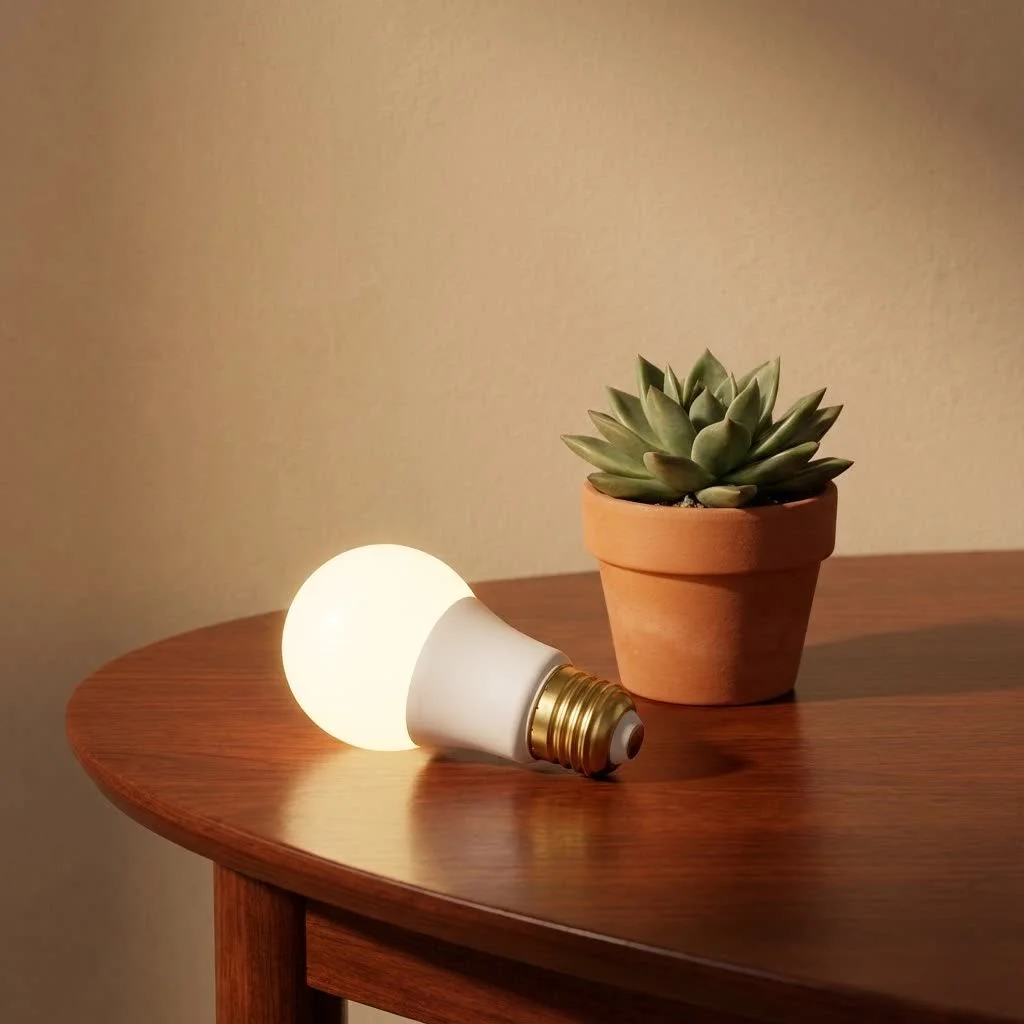
Dimmable smart bulbs combine smart home technology with adjustable lighting, providing unparalleled control, energy efficiency, and a touch of magic to your living spaces. They are intelligent companions that revolutionize how you experience light in your homeLet’s explore how these remarkable devices can light up your life. For smart home buying guides on this site.
What Makes a Dimmable Smart Bulb So Smart?
At its core, a dimmable smart bulb is an LED bulb embedded with communication technology, allowing it to connect wirelessly to your home network and be controlled remotely. Unlike traditional bulbs that simply turn on or off, these modern marvels offer a spectrum of possibilities.
A standard LED bulb provides great energy savings, but a dimmable smart bulb goes several steps further. It incorporates Wi-Fi, Bluetooth, or Zigbee technology to integrate with your smart home ecosystem. This connectivity is what truly makes it “smart.” For instance, a Philips Smart Wi-Fi Connected LED bulb offers seamless connectivity via Wi-Fi and Bluetooth, allowing for easy control and voice assistant compatibility.
Types of Dimmable Smart Bulbs and Their Applications
Dimmable smart bulbs primarily utilize three wireless technologies for connectivity:
- Wi-Fi Bulbs: These connect directly to your home’s Wi-Fi network, often without needing a separate hub. They are typically easy to set up and control via an app or voice assistant. TP-Link Tapo smart light bulbs and Nanoleaf Essentials smart lights are great examples of Wi-Fi bulbs that offer quick response times and hub-free operation.
- Bluetooth Bulbs: These connect directly to your smartphone or a nearby smart speaker via Bluetooth. They are great for individual room control but might have a more limited range compared to Wi-Fi.
- Zigbee Bulbs: Often found in more extensive smart home setups, Zigbee bulbs require a dedicated hub (like the Philips Hue Bridge) to communicate with your network. While this adds an extra component, it often results in a more robust, reliable, and scalable system with less strain on your Wi-Fi. Philips Hue, for example, is renowned for its comprehensive smart lighting system that uses a bridge.
Beyond mere dimming, many smart bulbs offer advanced features. They can be temperature-changing, shifting from a warm, cozy yellow to a crisp, energizing cool white, or even full color-changing, providing millions of hues to match any mood or occasion.
The Brilliance of Dimmable Smart Bulbs: Benefits You Can’t Ignore
“In my decade of experience, the biggest revelation in smart lighting has been the sheer adaptability of dimmable smart bulbs,” says Dr. Elara Vance, a leading expert in smart home technologies. “They’re not just about light; they’re about crafting experiences and optimizing daily life.”
Unmatched Ambiance & Customization
|
Our Picks for the Best Smart Bulb in 2026
As an Amazon Associate I earn from qualifying purchases.
|
||
| Num | Product | Action |
|---|---|---|
| 1 | SYLVANIA Wifi LED Smart Light Bulb, 60W Equivalent Full Color and Tunable White A19, Dimmable, Compatible with Alexa and Google Home Only - 4 Pack (75674) |

|
| 2 | Kasa Smart Light Bulbs that works with Alexa and Google Home, Dimmable Smart LED Bulb, A19, 9W, 800Lumens, Soft White(2700K), CRI≥90, WiFi 2.4Ghz only, No Hub Required, 4 Count (Pack of 1)(KL110P4) |
|
| 3 | Kasa Smart Light Bulbs, Full Color Changing Dimmable Smart WiFi Bulbs Compatible with Alexa and Google Home, A19, 60 W 800 Lumens,2.4Ghz only, No Hub Required, 2-Pack (KL125P2), Multicolor |
|
| 4 | Govee LED Smart Light Bulbs, 1000LM Color Changing Light Bulb, Wi-Fi & Bluetooth Light Bulbs, Work with Alexa and Google Assistant, Dimmable RGBWW A19 75W Equivalent Smart Bulbs, 2 Pack |
|
| 5 | Bluex Bulbs 3 Pack Motion Sensor LED Light Bulb A21, 15W 1300 Lumens, Warm White 3000K, Automatic On/Off Security Light, E26 Medium Base Indoor & Outdoor Use, 120V (3000K - Warm White) |
|
| 6 | Amazon Basics Smart A19 LED Light Bulb, Dimmable Soft White (2700K), 9W (60W Equivalent), 800LM, Works with Alexa Only, 2.4 GHz Wi-Fi, No Hub Required, 4 Pack |
|
| 7 | Amazon Basics Smart A19 LED Light Bulb, Color Changing, 9W (60W Equivalent), 800LM, Works with Alexa Only, 2.4 GHz Wi-Fi, No Hub Required, 1 Pack |
|
| 8 | Govee Smart Light Bulbs, Color Changing Light Bulb, Work with Alexa and Google Assistant, 16 Million Colors RGBWW, WiFi & Bluetooth LED Light Bulbs, Music Sync, A19, 800 Lumens, 4 Pack |
|
| 9 | Tapo TP-Link Smart Light Bulbs, 16M Colors RGBW, Dimmable, Compatible with Alexa and Google Home, A19, 60W Equivalent, 800LM CRI>90, 2.4GHz WiFi only, No Hub Required, L530E(4-Pack) |
|
| 10 | Linkind Smart Light Bulbs, Smart Bulb That Work with Alexa & Google Home, LED Light Bulbs Color Changing, 104 Preset Scene, Music Sync, A19 E26 2.4GHz RGBTW WiFi Bluetooth Light Bulb 60W, 800LM, 4Pack |
|
The ability to dim your lights is a major upgrade for ambiance. Whether you’re unwinding with a book, hosting a dinner party, or enjoying a movie night, you can fine-tune the brightness to create the perfect atmosphere without the hassle of installing a dimmer switch. Many dimmable smart bulbs also offer tunable white light, allowing you to adjust the color temperature from soft white to daylight, or even 16 million colors to match any mood.
Serious Energy Savings & Cost Efficiency
Smart bulbs are typically LED-based, making them significantly more energy-efficient than incandescent bulbs. They consume up to six times less energy and can last well over 20,000 hours. The dimming feature itself contributes to energy savings; by lowering the brightness, you reduce power consumption. The ability to schedule lights to turn off when not needed, or even use motion sensors, means you’re never wasting electricity on unnecessary illumination. Studies suggest that replacing traditional 60-watt incandescent bulbs with 10-watt smart LED bulbs in the US could save billions in electricity bills annually.
Unrivaled Convenience & Remote Control
Imagine leaving your house and realizing you forgot to turn off the lights. With a dimmable smart bulb, it’s no problem. You can control your lights from anywhere using your smartphone app, ensuring you never come home to a dark house or waste energy by leaving lights on. Voice control integration with assistants like Alexa and Google Home makes controlling your lighting even more effortless – simply say “Alexa, dim the living room lights to 50%.”
Enhanced Security with “Away Mode”
Smart bulbs can also boost your home security. Many apps offer an “Away Mode” or scheduling feature that automatically turns your lights on and off at random intervals, simulating occupancy and deterring potential intruders while you’re away.
Getting Started: Your Easy Guide to Installing Dimmable Smart Bulbs
Installing a dimmable smart bulb is generally a straightforward process, even if you’re not particularly tech-savvy.
Preparation is Key
Before you begin, ensure you have:
- Strong Wi-Fi Signal: Smart bulbs need a reliable 2.4 GHz Wi-Fi connection. Ensure the fixture is within range of your router.
- Compatible Dimmer Switch: If your fixture is already on a dimmer switch, it’s best to replace it with a regular switch or a smart-compatible dimmer. Using a dimmable smart bulb with a traditional dimmer can cause flickering or conflict with the bulb’s internal dimming system.
- The Right App: Download the manufacturer’s specific app (e.g., Philips Hue, Tapo, Smart Life) from your app store and create an account.
Step-by-Step Installation
- Power Off: Always turn off the light fixture’s power switch before changing bulbs to prevent electric shock.
- Screw in the Bulb: Remove your old bulb and carefully screw in your new dimmable smart bulb into the socket.
- Power On: Turn the light fixture’s switch back on. The bulb may blink rapidly, indicating it’s in pairing mode.
- Open the App: Launch the smart bulb’s app on your smartphone or tablet.
- Add Device: Follow the in-app instructions to “Add Device” or “Add a Product.” You’ll usually select “Lighting” or “Light Source (Wi-Fi).”
- Confirm Blinking: The app will ask you to confirm that the bulb is blinking rapidly. If not, you might need to cycle the power switch (on-off-on-off-on) a few times to initiate pairing mode.
- Connect to Wi-Fi: Enter your 2.4 GHz Wi-Fi network name and password when prompted. Ensure your phone is connected to the same Wi-Fi network.
- Configure Settings: Once connected, you can name your bulb, set up schedules, create scenes, and start adjusting its brightness and color.
- Voice Assistant Integration: For voice control, open your Alexa or Google Assistant app, go to devices, and discover or link your smart bulb manufacturer’s skill. Then, you can use commands like “Hey Google, set the bedroom light to 20%.”
When the Lights Flicker: Troubleshooting Common Dimmable Smart Bulb Issues
Even the most advanced technology can encounter a hiccup or two. Don’t worry; most dimmable smart bulb issues are easily resolved.
Bulb Not Responding or Offline
- Check Power: Ensure the light switch is physically on, as smart bulbs need constant power to maintain connection.
- Wi-Fi Connection: Verify your Wi-Fi network is active and stable. Smart bulbs rely heavily on a strong connection.
- Router Proximity: If the bulb is too far from your router, the signal might be weak. Consider moving the router or using a Wi-Fi extender.
- Restart Everything: Sometimes, simply restarting your smart bulb (by turning the light switch off and on), your router, or your smart home hub can resolve connectivity glitches.
- App Updates: Ensure your smart lighting app is updated to its latest version, as outdated apps can cause compatibility issues.
Flickering or Buzzing
- Incompatible Dimmer Switch: This is a very common culprit. If your dimmable smart bulb is connected to a traditional dimmer switch, it can cause flickering or buzzing. Smart bulbs have their own dimming mechanisms, and using them with a wall dimmer can create electrical conflicts. Replace the dimmer with a standard on/off switch or an LED-compatible smart dimmer.
- Loose Connections: Ensure the bulb is screwed in properly and that there are no loose wires in the fixture.
- Power Fluctuations: Inconsistent power supply in your home’s electrical system can lead to flickering. If this is a recurring issue, consult a qualified electrician.
Not Dimming Properly or Too Dim
- App Settings: Check the brightness slider in your smart lighting app; it might be set too low.
- Bulb Wattage: Ensure the bulb’s wattage is appropriate for the desired brightness. Some lower-wattage smart bulbs are designed for ambient lighting and might not reach the intensity of higher-wattage alternatives.
- Incompatible Dimmer: Again, a traditional dimmer switch can restrict a smart bulb’s maximum brightness. Bypass or replace it.
Other Connectivity Problems
- Router Overload: Too many devices on your Wi-Fi network can limit bandwidth. Disconnect some devices or consider upgrading your router.
- DHCP Function: Ensure the DHCP function is enabled in your router settings.
- Mobile Hotspot Test: To rule out issues with your primary router, try connecting the smart bulb to a mobile hotspot from another phone. This can help identify if the problem lies with your home network.
Navigating the Market: Top Dimmable Smart Bulb Brands for 2024
The dimmable smart bulb market is thriving, with many excellent options available. Here are some top contenders you’ll frequently encounter:
- Philips Hue: Often considered the gold standard, Philips Hue offers a premium, comprehensive ecosystem with a vast array of dimmable, color-changing, and tunable white bulbs, light strips, and fixtures. While they typically require a Hue Bridge, their reliability, responsiveness, and wide compatibility with voice assistants are unmatched.
- TP-Link Tapo: A fantastic budget-friendly option, Tapo bulbs provide solid performance without needing a separate hub. They are easy to set up, offer quick response times, and are compatible with Alexa and Google Assistant.
- Nanoleaf Essentials: Praised for their unique design and excellent adjustable lighting capabilities, Nanoleaf Essentials bulbs offer great efficiency and work well with Siri and Google Assistant, often without a hub.
- Wyze Bulb Color: If vibrant colors are a priority, Wyze offers an affordable A19 bulb with 16 million colors and tunable whites. It’s super bright, dimmable, and works with Alexa and Google Assistant, though it doesn’t support Apple HomeKit or Matter.
- Wiz Connected: Known for being a great budget-friendly, hub-free option, Wiz bulbs (also from Signify, the parent company of Hue) offer a wide range of colors and brightness levels, easily controlled via the intuitive Wiz app and voice assistants.
When choosing, consider factors like your existing smart home ecosystem, whether you prefer a hub-free setup, and your budget.
Frequently Asked Questions (FAQ)
Q: Can I use a dimmable smart bulb with my existing dimmer switch?
A: It is generally not recommended to use a dimmable smart bulb with a traditional dimmer switch. Dimmable smart bulbs have their own internal dimming mechanisms, and a wall dimmer can cause flickering, buzzing, or prevent the bulb from functioning correctly. Replace the traditional dimmer with a standard on/off switch or a smart-compatible dimmer.
Q: Do dimmable smart bulbs require a hub?
A: Not all dimmable smart bulbs require a hub. Many Wi-Fi and Bluetooth bulbs connect directly to your home network or smartphone. However, some systems, like Philips Hue (Zigbee-based), use a dedicated hub (Bridge) for enhanced reliability and scalability.
Q: Are dimmable smart bulbs energy efficient?
A: Yes, dimmable smart bulbs are highly energy-efficient. They are almost exclusively LED bulbs, which consume significantly less power and last much longer than incandescent bulbs. The dimming feature further reduces energy consumption when lights are not at full brightness.
Q: Can I control dimmable smart bulbs with my voice?
A: Absolutely! Most dimmable smart bulbs are compatible with popular voice assistants like Amazon Alexa and Google Assistant. Once integrated, you can use simple voice commands to turn lights on/off, adjust brightness, change colors, or set scenes.
Q: What Wi-Fi frequency do dimmable smart bulbs use?
A: The vast majority of dimmable smart bulbs connect to a 2.4 GHz Wi-Fi network. Ensure your router supports this frequency and that your phone is connected to the same 2.4 GHz network during setup.
improve your Home with Dimmable Smart Bulbs
The world of dimmable smart bulbs offers an unparalleled blend of convenience, customization, and energy efficiency. From setting the perfect ambiance for any occasion to saving on your electricity bills, these intelligent lighting solutions empower you to truly master your home’s illumination. We’ve explored how they work, the incredible benefits they bring, how to set them up with ease, and even how to troubleshoot those occasional quirks.
Ready to improve your home lighting experience? Don’t hesitate to explore the vast array of dimmable smart bulbs available today. Upgrade your home, impress your guests, and enjoy the effortless control that only smart lighting can provide. Visit Srjja.com for more expert insights and to stay ahead in the exciting world of smart home technology!
Smart home that does not lock you in
Free PDF — protocol compatibility matrix for 30 hubs and devices.
Absolutely love the convenience of these dimmable smart bulbs! Being able to control them remotely when I’m not even home is fantastic for security and peace of mind. The integration with my home network was seamless, and the app is really intuitive for adjusting everything. Definitely recommend for anyone looking to upgrade their lighting.
These smart bulbs are pretty great for setting the mood. I love being able to use voice commands with my smart assistant to turn them on or off. The energy savings are a nice bonus too, though it’s hard to tell exactly how much I’m saving without a detailed breakdown. Still, a solid upgrade from regular LEDs.
I got a few of these to try out the Zigbee technology, and while the dimming works well, I had a bit of trouble with the initial setup connecting to my hub. It took a couple of tries to get everything paired correctly, which was a little frustrating. Once it’s working, it’s fine, but the installation could be smoother.
I finally took the plunge and replaced all my old bulbs with dimmable smart bulbs, and wow, what a difference! The ability to adjust the brightness and even change colors from my phone is a game-changer for movie nights. Setting schedules has also been super convenient, making it look like someone’s home even when we’re away.