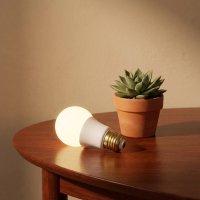
Welcome to the exciting world of smart lighting, where controlling your home’s ambiance is as easy as a tap on your phone or a simple voice command. If you’re looking to dip your toes into this innovative space without breaking the bank, the Merkury Smart Bulb might just be your perfect starting point. At Srjja.com, we’ve seen countless lighting solutions evolve over the past decade, and the Merkury Smart Bulb stands out as an incredibly accessible option for anyone eager to upgrade their home. This guide will illuminate everything you need to know about these popular bulbs, from their core features and effortless setup to advanced tips and troubleshooting, ensuring you get the most out of your smart lighting investment.

What is a Merkury Smart Bulb and How Does It Work?
At its heart, a Merkury Smart Bulb is an LED light bulb designed for modern living. It offers features far beyond traditional bulbs, bringing convenience and customization right to your fingertips. Unlike some more complex smart lighting systems, Merkury Smart Bulbs are celebrated for their simplicity: they don’t require a separate hub to function. Instead, they connect directly to your home’s 2.4GHz Wi-Fi network, making setup straightforward and hassle-free. For see our smart home recommendations on this site.
These bulbs are typically equipped with RGBW capabilities, meaning they can produce a full spectrum of colors, as well as various shades of white light, from warm to cool tones. They are fully dimmable, allowing you to fine-tune the brightness to perfectly match any mood or activity. Control is primarily managed through the intuitive Geeni app – a key component, as Merkury Innovations and Geeni operate under the same umbrella. Beyond the app, seamless integration with popular voice assistants like Amazon Alexa and Google Assistant transforms your lighting into a voice-controlled experience.
“The beauty of the Merkury Smart Bulb lies in its ‘plug-and-play’ philosophy,” notes Alex Thorne, a Senior Smart Home Analyst at Srjja.com. “It democratizes smart lighting, offering essential smart features without the typical complexities or hefty price tag.”
Why Choose a Merkury Smart Bulb? The Perks of Budget-Friendly Brilliance
When considering a Merkury Smart Bulb, several compelling advantages make it a standout choice, especially for those new to smart home technology or looking for cost-effective solutions.
Affordability That Doesn’t Compromise Features
One of the most significant draws of the Merkury Smart Bulb is its attractive price point. Often available at a fraction of the cost of premium smart bulbs, Merkury allows you to outfit multiple rooms with smart lighting without a substantial financial commitment. This affordability makes it an excellent option for renters, students, or anyone experimenting with smart home tech for the first time. Despite the lower cost, these bulbs don’t skimp on essential features, offering a rich color palette, dimming, and scheduling capabilities.
Effortless Setup and User-Friendly Control
|
Our Picks for the Best Smart Bulb in 2026
As an Amazon Associate I earn from qualifying purchases.
|
||
| Num | Product | Action |
|---|---|---|
| 1 | Bluex Bulbs 3 Pack Motion Sensor LED Light Bulb A21, 15W 1300 Lumens, Warm White 3000K, Automatic On/Off Security Light, E26 Medium Base Indoor & Outdoor Use, 120V (3000K - Warm White) |

|
| 2 | Kasa Smart Light Bulbs that works with Alexa and Google Home, Dimmable Smart LED Bulb, A19, 9W, 800Lumens, Soft White(2700K), CRI≥90, WiFi 2.4Ghz only, No Hub Required, 4 Count (Pack of 1)(KL110P4) |
|
| 3 | Kasa Smart Light Bulbs, Full Color Changing Dimmable Smart WiFi Bulbs Compatible with Alexa and Google Home, A19, 60 W 800 Lumens,2.4Ghz only, No Hub Required, 2-Pack (KL125P2), Multicolor |
|
| 4 | Amazon Basics Smart A19 LED Light Bulb, Color Changing, 9W (60W Equivalent), 800LM, Works with Alexa Only, 2.4 GHz Wi-Fi, No Hub Required, 1 Pack |
|
| 5 | Govee Smart Light Bulbs, Color Changing Light Bulb, Work with Alexa and Google Assistant, 16 Million Colors RGBWW, WiFi & Bluetooth LED Light Bulbs, Music Sync, A19, 800 Lumens, 4 Pack |
|
| 6 | Amazon Basics Smart A19 LED Light Bulb, Dimmable Soft White (2700K), 9W (60W Equivalent), 800LM, Works with Alexa Only, 2.4 GHz Wi-Fi, No Hub Required, 4 Pack |
|
| 7 | Tapo TP-Link Smart Light Bulbs, 16M Colors RGBW, Dimmable, Compatible with Alexa and Google Home, A19, 60W Equivalent, 800LM CRI>90, 2.4GHz WiFi only, No Hub Required, L530E(4-Pack) |
|
| 8 | Govee LED Smart Light Bulbs, 1000LM Color Changing Light Bulb, Wi-Fi & Bluetooth Light Bulbs, Work with Alexa and Google Assistant, Dimmable RGBWW A19 75W Equivalent Smart Bulbs, 2 Pack |
|
| 9 | SYLVANIA Wifi LED Smart Light Bulb, 60W Equivalent Full Color and Tunable White A19, Dimmable, Compatible with Alexa and Google Home Only - 4 Pack (75674) |
|
| 10 | Linkind Smart Light Bulbs, Smart Bulb That Work with Alexa & Google Home, LED Light Bulbs Color Changing, 104 Preset Scene, Music Sync, A19 E26 2.4GHz RGBTW WiFi Bluetooth Light Bulb 60W, 800LM, 4Pack |
|
The phrase “easy to set up” is often thrown around, but with the Merkury Smart Bulb, it truly holds. The direct Wi-Fi connection eliminates the need for an additional bridge or hub, simplifying the installation process. Once connected, the Geeni app provides an intuitive interface for managing your lights. Whether you want to change colors, adjust brightness, or set up a daily schedule, the app makes it all straightforward.
Versatility for Every Mood and Occasion
Imagine transforming your living room into a vibrant party space with a single tap, or unwinding with soft, warm light after a long day. The Merkury Smart Bulb offers this versatility and more. With millions of color options and adjustable white temperatures, you can create the perfect ambiance for reading, working, entertaining, or simply relaxing. The ability to group multiple bulbs allows for synchronized lighting across a room, while pre-set scenes can instantly recall your favorite lighting configurations.
Energy Efficiency for a Greener Home
As LED bulbs, Merkury Smart Bulbs are inherently energy-efficient. They consume significantly less power than traditional incandescent bulbs, translating into lower electricity bills and a reduced carbon footprint. With an impressive lifespan, they also cut down on the frequency of replacements, offering both environmental and economic benefits. This combination of smart features and energy savings truly elevates the Merkury Smart Bulb as a smart choice for any homeowner.
Setting Up Your Merkury Smart Bulb: A Step-by-Step Guide
Getting your Merkury Smart Bulb up and running is a straightforward process. Follow these steps to integrate your new smart lighting into your home seamlessly.
Pre-Installation Checklist
Before you begin, ensure you have the following:
- A compatible mobile device: Running iOS 14 or higher, or Android 11 or higher.
- A 2.4GHz Wi-Fi network: Merkury Smart Bulbs require a 2.4GHz network and are not compatible with 5GHz networks. Ensure your phone is connected to this network during setup.
- The Geeni app: Download it from the Apple App Store or Google Play Store and create an account if you haven’t already.
The Easy Pairing Process
- Install the Bulb: Screw your Merkury Smart Bulb into any standard light socket.
- Power On: Turn on the light switch to provide power to the bulb.
- Initiate Pairing Mode: If the bulb isn’t already rapidly blinking, turn the light switch off and on three times quickly. The bulb should now start blinking rapidly, indicating it’s in “Easy Mode” for pairing.
- Open the Geeni App: Launch the Geeni app on your smartphone.
- Add Device: Tap the “+” icon in the top right corner, then select “Smart Lighting” or “Smart Bulb.”
- Confirm Blinking: Confirm that your bulb is blinking rapidly in the app, then select “Next Step” or “Continue.”
- Enter Wi-Fi Details: The app will prompt you to confirm your 2.4GHz Wi-Fi network and enter its password.
- Connect: The app will then connect to your Merkury Smart Bulb. Once connected, you can name your bulb (e.g., “Living Room Lamp,” “Bedroom Light”) and customize its settings.
Connecting to Voice Assistants
One of the coolest features of the Merkury Smart Bulb is its compatibility with voice control. Here’s how to link it with your favorite assistants:
- For Amazon Alexa:
- Open the Alexa app.
- Go to “Devices,” then tap the “+” icon.
- Select “Add Device” and choose “Light.”
- Search for “Geeni” and enable the skill. You’ll be prompted to link your Geeni account.
- Once linked, Alexa will discover your Merkury Smart Bulbs.
- For Google Assistant:
- Open the Google Home app.
- Tap the “+” icon, then “Set up device,” and “Works with Google.”
- Search for “Geeni” and link your account.
- Your Merkury Smart Bulbs will appear, and you can assign them to rooms.
Maximizing Your Merkury Smart Bulb Experience: Tips and Tricks
Once your Merkury Smart Bulb is installed, it’s time to unlock its full potential. These tips will help you create the perfect lighting environment and ensure smooth operation.
Mastering the Geeni App Features
The Geeni app is your command center for the Merkury Smart Bulb. Spend some time exploring its capabilities:
- Color Selection and Brightness: Easily drag your finger across the color wheel to choose from millions of colors, or adjust the slider for precise brightness control.
- White Temperature Control: Beyond basic white, the app lets you fine-tune the color temperature, from warm, cozy amber to cool, crisp daylight, perfect for various tasks and moods.
- Creating Schedules and Timers: Set your lights to turn on automatically when you wake up, dim in the evening, or even simulate occupancy when you’re away. This feature is fantastic for home security and energy saving.
- Grouping Bulbs for Unified Control: If you have multiple Merkury Smart Bulbs in one room, group them together in the app to control them simultaneously with a single command or tap. This is ideal for overhead fixtures or multi-lamp setups.
- Utilizing Pre-set Scenes: The Geeni app often includes pre-designed scenes like “Reading,” “Party,” or “Relax.” These offer instant ambiance changes and can be customized or used as inspiration for your own unique scenes.
Best Practices for Longevity
To ensure your Merkury Smart Bulbs provide years of reliable service:
- Maintain a Stable Wi-Fi Connection: A strong, consistent 2.4GHz Wi-Fi signal is crucial for responsive control and preventing bulbs from appearing offline. Consider a Wi-Fi extender if you have dead zones.
- Avoid Extreme Conditions: While LEDs are durable, extreme temperatures or high humidity can impact their lifespan. Install them in appropriate environments.
- Keep Your App Updated: Regularly update the Geeni app to benefit from new features, performance improvements, and security patches. This helps maintain seamless communication between your phone and your bulbs.
Troubleshooting Common Merkury Smart Bulb Issues
Even the most dependable smart devices can occasionally encounter hiccups. If your Merkury Smart Bulb isn’t behaving as expected, these troubleshooting steps can help resolve common issues.
Bulb Not Connecting or Going Offline
This is perhaps the most frequent issue users encounter. Here’s what to check:
- Verify 2.4GHz Wi-Fi: Double-check that your router is broadcasting a 2.4GHz network and that your smartphone is connected to it during the setup process. Merkury Smart Bulbs cannot connect to 5GHz networks.
- Check Wi-Fi Signal Strength: Weak Wi-Fi signals can cause connectivity drops. Ensure your bulb is within reasonable range of your router or consider using a Wi-Fi extender.
- Restart Your Router: A simple router restart can often resolve network congestion or temporary glitches that prevent devices from connecting. Power it off for 30 seconds, then power it back on.
- Ensure Proper Power: Make sure the light switch is always in the “on” position. If the physical switch is off, the smart bulb won’t receive power and cannot be controlled.
Resetting and Re-Pairing Your Merkury Smart Bulb
If connectivity issues persist, a full reset and re-pairing might be necessary.
- The Power Cycling Method:
- Ensure the bulb is powered on.
- Turn the light switch off and on three times quickly.
- Observe the bulb’s blinking pattern:
- Rapid Blinking (Easy Mode): This is the primary pairing mode. Proceed with the Geeni app setup as described in the “Easy Pairing Process.”
- Slow Blinking (AP Mode): If the bulb blinks slowly after the power cycle, it’s in “AP Mode,” a backup pairing method. In the Geeni app, when adding a device, select “AP Mode” (usually in the top right corner of the setup screen) and follow the specific instructions to connect to the bulb’s direct Wi-Fi hotspot temporarily.
- Re-pairing via the Geeni App: If a bulb is showing offline in the app, you might see an option to “Re-Pair” it directly within the device settings. This guides you through a similar reset and connection process.
“Patience is a virtue, especially with smart home tech,” advises Dr. Lena Khan, a smart lighting engineer. “Most Merkury Smart Bulb issues can be resolved with a quick Wi-Fi check or a simple reset. Don’t shy away from restarting your router; it’s often the quickest fix.”
Merkury Smart Bulb in the Smart Home Ecosystem
The Merkury Smart Bulb isn’t just an isolated device; it’s designed to be a part of a larger, interconnected smart home ecosystem. Its direct Wi-Fi connectivity and compatibility with major voice assistants mean it plays well with others.
These bulbs seamlessly integrate with Amazon Alexa and Google Assistant, allowing you to use voice commands to control individual bulbs, groups, or even activate scenes. This hands-free operation is a cornerstone of modern smart homes. Furthermore, Merkury (via the Geeni app) often supports IFTTT (If This Then That) integration. IFTTT opens up a world of automation possibilities, letting you create custom routines where your Merkury Smart Bulbs react to events from other smart devices or web services. For example, you could have your lights turn on when a smart camera detects motion, or change color when your favorite sports team scores.
By embracing these integrations, the Merkury Smart Bulb can become a dynamic component in a multi-brand smart home, contributing to a truly intelligent and responsive living space.
Is the Merkury Smart Bulb Right for You? A Candid Assessment
After exploring the features, setup, and troubleshooting of the Merkury Smart Bulb, let’s consider whether it’s the ideal choice for your smart lighting needs.
Pros:
- Exceptional Affordability: Undoubtedly its biggest strength, offering smart lighting at a price point that’s accessible to nearly everyone.
- No Hub Required: Simplifies installation and reduces initial investment by connecting directly to your existing Wi-Fi.
- Easy Setup: The Geeni app and power cycling method make pairing straightforward, even for tech novices.
- Rich Feature Set: Provides full-color control (RGBW), dimming, white temperature adjustment, scheduling, and scene creation.
- Voice Control Compatibility: Works seamlessly with Amazon Alexa and Google Assistant for hands-free operation.
- Energy Efficient: As LED bulbs, they contribute to lower energy consumption and longer lifespans.
Cons:
- Brightness Limitations: While good, some users might find them not as bright as premium, more expensive smart bulbs.
- Occasional Connectivity Quirks: While generally reliable, some users report intermittent connection drops or difficulties connecting, often resolvable with troubleshooting steps.
- 2.4GHz Wi-Fi Only: This can be a minor inconvenience for homes primarily relying on 5GHz networks, requiring manual switching during setup.
The Merkury Smart Bulb is best suited for budget-conscious individuals, smart home beginners, or those looking to expand existing smart lighting without a significant outlay. If you prioritize affordability, ease of use, and essential smart features over the absolute brightest output or advanced third-party integrations, Merkury is a fantastic entry into the world of smart home lighting.
Frequently Asked Questions (FAQ)
Q: Do Merkury Smart Bulbs require a hub?
A: No, Merkury Smart Bulbs do not require a separate hub. They connect directly to your home’s 2.4GHz Wi-Fi network.
Q: What app do Merkury Smart Bulbs use for control?
A: Merkury Smart Bulbs are controlled using the Geeni app, available for both iOS and Android devices.
Q: Are Merkury Smart Bulbs compatible with Alexa and Google Assistant?
A: Yes, Merkury Smart Bulbs are fully compatible with both Amazon Alexa and Google Assistant, allowing for voice control and integration into your smart home routines.
Q: Can I use Merkury Smart Bulbs on a 5GHz Wi-Fi network?
A: No, Merkury Smart Bulbs require a 2.4GHz Wi-Fi network for connection and operation. Ensure your mobile device is connected to a 2.4GHz network during setup.
Q: How do I reset my Merkury Smart Bulb if it’s not connecting?
A: To reset a Merkury Smart Bulb, turn the light switch off and on three times quickly. The bulb should start blinking rapidly (Easy Mode) or slowly (AP Mode), indicating it’s ready for re-pairing via the Geeni app.
Q: Can I group multiple Merkury Smart Bulbs together?
A: Yes, the Geeni app allows you to group multiple Merkury Smart Bulbs, enabling you to control them simultaneously as a single unit or set.
Elevate Your Home with Merkury Smart Bulbs
The Merkury Smart Bulb offers an incredibly accessible and feature-rich entry point into the transformative world of smart home lighting. With their vibrant colors, dimmable functionality, and seamless voice assistant integration, these bulbs empower you to effortlessly shape the atmosphere of any room. From simplifying your daily routines with automated schedules to setting the perfect mood for special occasions, Merkury Smart Bulbs deliver convenience and creativity without the premium price tag. Embrace the future of home lighting and discover how these smart bulbs can illuminate your life, one brilliant color at a time. Visit Srjja.com for more insights and expert advice on making your home smarter, brighter, and more intuitive.
Smart home that does not lock you in
Free PDF — protocol compatibility matrix for 30 hubs and devices.